Shahla Kazimova: Uzbek language serves as a living witness to the centuries-old ties between the peoples and cultures of Eurasia
October 21, 2026. 20:30 • 3 min
• 157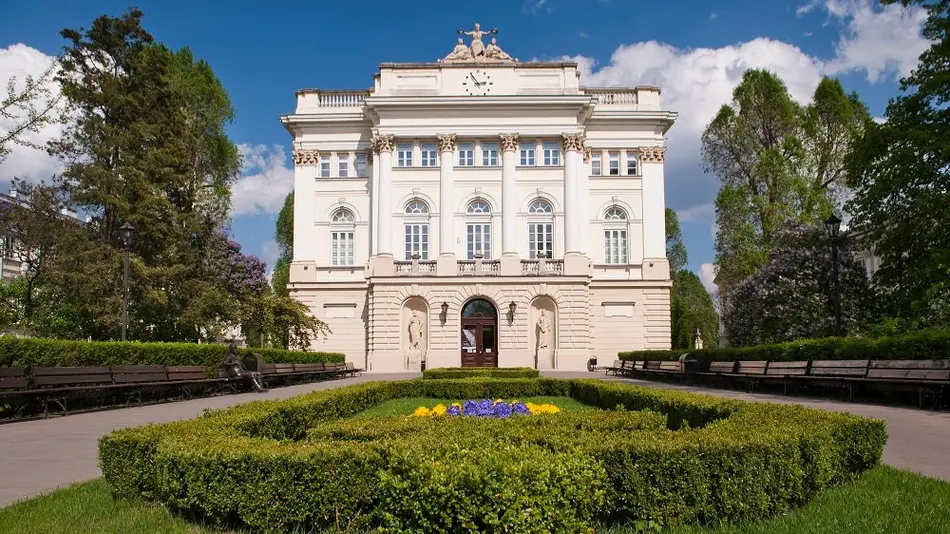
WARSAW, October 21. /Dunyo IA/. In an interview with Dunyo IA, Shahla Kazimova, a professor at the Faculty of Asian and African Cultures of the University of Warsaw, congratulated the people of Uzbekistan on Uzbek Language Day, celebrated on October 21st:
- History of the Uzbek language is an essential part of the centuries-old history of the development of Turkic languages. The development of these languages occurred under conditions of intensive contact and interaction in the fields of linguistics, science and culture. A special place in this history is occupied by the Chagatai language, which is one of the most important literary languages of Central Asia. Its heritage remains a vital component of the traditions of the modern Uzbek language.
As the prominent Turkologist János Eckmann notes, the Chagatai language reached its peak in the 15th–16th centuries. However, its significance was not confined to a single region or ethnic community. For centuries, it functioned as an interregional language of written literature, unifying the intellectual and scholarly circles of Central Asia and Khorasan. One of the greatest representatives of this literary tradition is Alisher Navoi (1441–1501), whose work played a crucial role in strengthening the status of the Turkic language in the literary culture of that period.
From the perspective of my research, which focuses on the history and culture of Azerbaijan, the influence of this literary tradition on Oghuz literature is of particular interest. A striking example is the work of the Azerbaijani poet Kishvari, who composed at the turn of the 15th and 16th centuries. Five takhmises written on Navoi's ghazals have been preserved in his divan. In this poetic form, the bayts of the preceding work are expanded by adding three new lines, forming a quintain together with the original bayt. These takhmises serve as important evidence of a direct literary dialogue between the Eastern Turkic and Azerbaijani literary traditions.
During my journey across Uzbekistan, which spanned Tashkent, Samarkand, Bukhara, and Khiva, I had the opportunity to experience firsthand the extraordinarily diverse linguistic landscape of this country. The regional dialects and idioms of the Uzbek language drew particular attention; their pronunciation and intonation closely reminded me of other Turkic languages. It was also of great interest that in historical cities, specifically in Bukhara and Samarkand, the Tajiki language remains actively spoken. This experience enhanced my deeper understanding of how vast and varied the world of Turkic languages is, as well as the intricate complexity of their interrelations and history of coexistence with Iranian languages.
Both the historical heritage of the Chagatai language and the contemporary linguistic diversity of Uzbekistan serve as a reminder that the history of Turkic languages cannot be studied in isolation from other languages and cultures. Uzbek language is not only the heir to a rich literary tradition but also a living testament to the centuries-old bonds between the peoples and cultures of Eurasia.

Latest News


See all
Read also
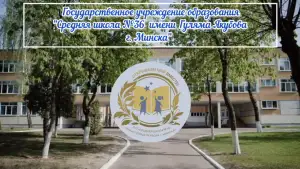
Uzbek and Belarusian students celebrate Uzbek Language Day with a flash mob in Minsk

Role and prestige of the Uzbek language continue to grow in the international arena