UNESCO Global Report highlights Growth in Preschool Education Enrolment in Uzbekistan
November 23, 2026. 10:00 • 2 min
• 185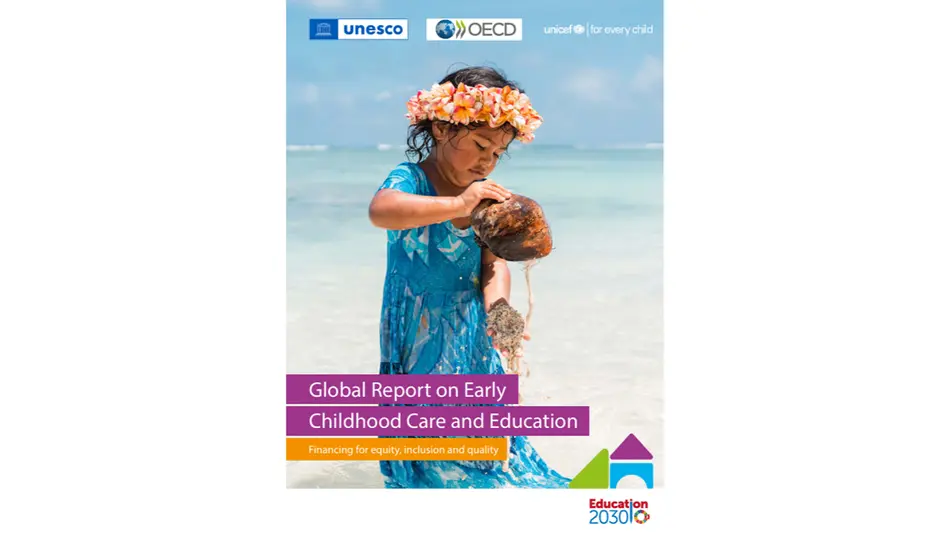
PARIS, November 23. /Dunyo IA/. In the Global Report on Early Childhood Care and Education: Financing for Equity, Inclusion and Quality, Uzbekistan is recognized as one of the most notable examples of the rapid expansion of preschool education in Central Asia, reports Dunyo IA correspondent.
Report was jointly prepared by UNESCO, UNICEF, and the Organisation for Economic Co-operation and Development (OECD); and launched on November 20 at UNESCO Headquarters in Paris. A dedicated section, titled “Uzbekistan: Rapid Growth in Preschool Education Coverage”, focuses specifically on the country. According to the report, the participation rate of children in organized learning one year before the official primary entry age rose from 28% in 2016 to 84% in 2024 - surpassing the averages for both lower-middle-income countries (77%) and upper-middle-income countries (82%). Furthermore, the net enrolment rate in preschool education increased from 20% in 2016 to 69% in 2025.
Authors attribute this progress to state policy and institutional reforms: the 2016 Presidential Decree on improving preschool education, the 2017 decisions, including the establishment of a dedicated ministry, and the 2019 Law guaranteeing one year of pre-primary education prior to school. The report also highlights increased public expenditure, noting that 3 trillion soums ($270 million) were allocated to state preschool institutions in 2024.
Report also separately examines Uzbekistan’s experience in public-private partnerships and results-based financing. The utilization of such mechanisms enabled the country to double the enrolment coverage of children aged 3–7 between 2017 and 2021. In private centers, 25% of places are reserved for children from socially vulnerable groups, for whom tuition fees may be reduced by up to 70%. Over a period of 11 years, the World Bank and its partners supported Uzbekistan through two projects, providing access to education for more than 3 million children across a network of 7,000 public and over 31,000 non-state institutions.
Report also repeatedly cites the 2022 Tashkent Declaration, adopted following the UNESCO World Conference in Tashkent, as an international benchmark for the development and financing of early childhood care and education.

Latest News


See all
Read also
Pakistani Media: International Tourism Fair to be held in Tashkent on November 25–27th