“Otra Lectura”: President of Uzbekistan’s reforms have transformed the region into a unified, integrated market
October 14, 2026. 14:30 • 2 min
• 20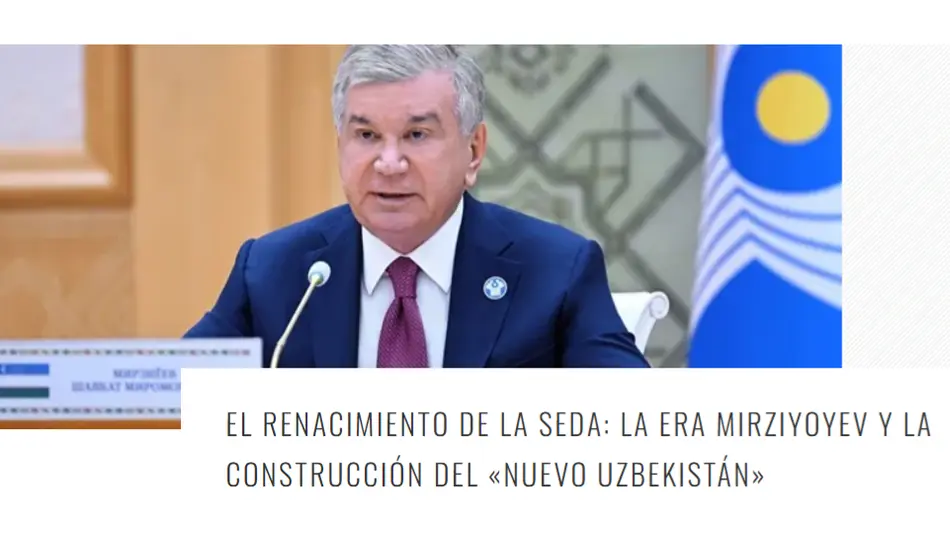
MADRID, October 14. /Dunyo IA/. Spanish analytical news portal “Orta Lectura” has published an article entitled “The Silk Renaissance: The Mirziyoyev Era and the Construction of the “New Uzbekistan”, reports Dunyo IA correspondent.
Article highlights that President of Uzbekistan Shavkat Mirziyoyev’s assumption of the presidency in 2016 marked a structural paradigm shift in the country’s development, ushering in the concept of “New Uzbekistan”. The author identifies the resolution of border disputes with regional neighbours, which had remained unresolved for 25 years, as one of the President’s first major achievements. According to the article, this paved the way for an integrated regional market in which goods, people and energy can move without the bureaucratic barriers of the past. In the economic sphere, the author points to the liberalization of the exchange rate in 2017 as a fundamental step, followed by a shift from raw-material exports towards domestic processing, digitalization and greater openness to foreign investment.
Particular attention is given to the eradication of forced and child labour in cotton production, which, according to the article, improved Uzbekistan’s international image, opened access to demanding global markets and enabled the modernization of agriculture through mechanization. From a geopolitical perspective, the author highlights the growing importance of the Trans-Caspian route, or Middle Corridor. Tashkent, once a dead end on the map, has become an important logistics hub, while Uzbekistan maintains relations with Russia, develops its trade partnership with China and engages in dialogue with the European Union.
In conclusion, author writes that in less than a decade, President Shavkat Mirziyoyev has transformed Uzbekistan into a regional actor projecting stability and pragmatism. Article argues that, if the reform momentum is sustained, Central Asia could cease to be perceived as a conflict zone and gain recognition as a new driver of Eurasian transport connectivity.

Latest News
See all
Read also
“Global News Pakistan” IA: Initiatives of Uzbekistan open up new opportunities for deeper cooperation among OTS countries on water security
Uzbekistan expands cooperation with the United Kingdom and strengthens integration in Central Asia
“Al-Khabar Al-Youm” Newspaper: More than 150 Exhibitors from 16 Countries to take part in “MiningMetals Uzbekistan 2026” in Tashkent