Steve Daines: Uzbekistan’s commitment to free market principles and development of its natural resources will build a brighter future for both its people and the United States
August 29, 2026. 10:30 • 5 min
• 1919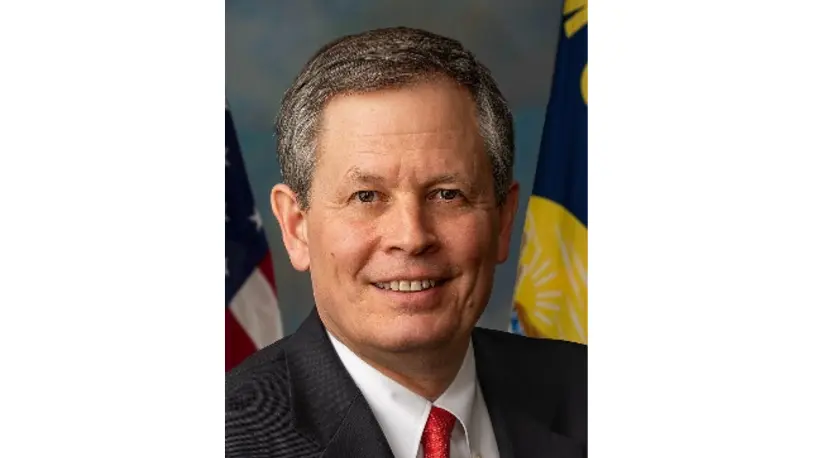
WASHINGTON, August 29. /Dunyo IA/. Co-Chair of the U.S. Senate Central Asia Caucus, Senator Steve Daines, has granted an interview to Dunyo IA on the eve of the 35th Anniversary of the Independence of Uzbekistan:
- This year marks the 10th Anniversary of the launch of the large-scale reforms of New Uzbekistan. How do you assess the outcomes of this decade of transformation and which changes in the country do you consider the most significant?
- Thanks to the leadership of President Mirziyoyev, Uzbekistan has seen notable transformation over the past decade in several key areas: economic growth, strengthened relations with key international allies, and an increased standard of living. These reforms have helped position Uzbekistan as a more open and economically engaged partner, creating new opportunities for trade, investment and cooperation with the United States and other nations.
- Over the past ten years, cooperation between Uzbekistan and the United States has intensified considerably. Which results of this partnership do you regard as the most successful, and what joint projects or areas of cooperation should, in your opinion, become priorities for the future?
- Uzbekistan is a strategically important country, and we’ve made substantial progress in strengthening our partnership both bilaterally and within the “C5+1” framework. As we look to the future, one of the United States’ main priorities should be repealing the antiquated Jackson-Vanik trade restrictions, which hinder the flow of free trade between the U.S. and Central Asia. Uzbekistan is rich in critical minerals, including copper and uranium. The United States and Uzbekistan share a growing strategic interest in securing reliable supplies of critical minerals, creating an important opportunity to deepen economic cooperation and strengthen our respective supply chains. Another vital project is the successful implementation of President Trump’s TRIPP (Trump Route for International Peace and Prosperity) framework agreements, which would improve regional connectivity and establish reliable trade routes to Uzbekistan.
- One of the key objectives of the reforms has been to build a more open, investment-friendly, and internationally integrated economy. In your assessment, to what extent have these transformations strengthened the confidence of the international community, investors and development partners?
- These transformations have been very successful, proven by the creation of the American-Uzbekistan Business and Investment Council during the “C5+1” Summit in November 2025. I am thankful for the leadership of President Trump, President Mirziyoyev, and co-chairs Saida Mirziyoyeva and Sergio Gor that led to the council’s creation. Bilateral trade between our two countries has crossed the $1 billion mark and I am confident that investment and partnerships will only continue to grow.
- Today, Uzbekistan is actively promoting initiatives in sustainable development, the green economy, digital transformation, science, education and human capital development. What opportunities do you see for expanding cooperation in these areas in the coming years?
- As we approach a new era of technological and digital advancements, it is critical we work together to ensure the United States and Uzbekistan remain leaders in cutting-edge tech. This includes artificial intelligence, quantum, photonics and energy development. A key goal should be connecting American companies and research institutions with Uzbekistan’s growing tech sector to advance research and develop skilled talent.
- Over the past decade of reforms, Uzbekistan has launched a number of international and regional initiatives. In your view, which of these initiatives will have the greatest long-term significance not only for Uzbekistan, but also for Central Asia and the international community as a whole?
- Uzbekistan’s opening to foreign investment and trade will have the greatest long-term significance for Uzbekistan, the Central Asian region, and its allies. Uzbekistan’s commitment to free market principles and development of its natural resources will build a brighter future for both its people and the United States.
Question: Many international experts describe the reforms of New Uzbekistan as one of the most remarkable examples of large-scale transformation in the region. Looking ahead to the next decade, which areas of reform do you believe will be most critical for ensuring Uzbekistan’s sustainable development and further strengthening its position in the global economy and international affairs?
- Uzbekistan’s economic development, opening to foreign investment, and efforts to strengthen international trade are among the most consequential elements of its reforms in the past decade. Looking ahead, continued trade expansion and market access will further integrate Uzbekistan into the global economy while strengthening its role as a stable, independent, and increasingly important partner for the United States and the international community.
- What are your expectations for the country’s continued development in the years ahead?
- I have travelled to all five Central Asian nations, including Uzbekistan, in the past 24 months. I have a tremendous respect for the people of Uzbekistan and their commitment to building a stronger, more prosperous future and I look forward to deepening the partnership between our two nations based on our shared values and interests.

Latest News


See all
Read also
Aktau hosts solemn event marking 35th Anniversary of the Independence of Uzbekistan
Rome hosts celebrations marking 35th Anniversary of the Independence of Uzbekistan