Israel’s Election Ends Without a Clear Winner
October 30, 2026. 12:00 • 3 min
• 159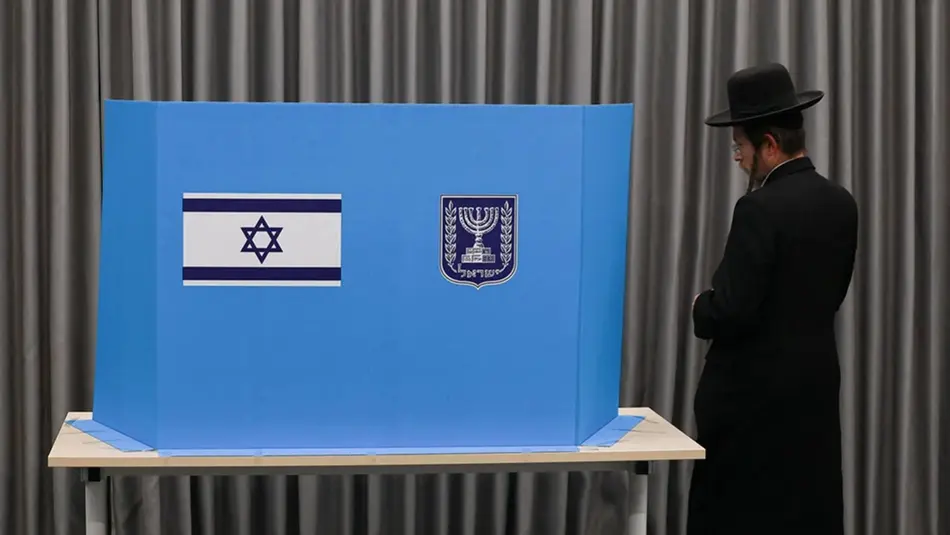
TEL AVIV, October 30. /Dunyo IA/. Neither the bloc led by incumbent Prime Minister Benjamin Netanyahu nor the opposition headed by Gadi Eisenkot secured a majority in the Knesset following Israel’s parliamentary elections held on October 27, despite the completion of the vote count, reports Dunyo IA correspondent.
According to the Central Elections Committee, Benjamin Netanyahu’s “Likud” party received 20.51% of the vote, while Gadi Eisenkot’s centrist “Yashar” party secured 16.06%. As a result, PM’s bloc is projected to hold 53 seats, compared with 48 for the opposition. Arab parties – the Joint List and Ra’am – secured the remaining 19 seats, marking a record result.
A majority of at least 61 seats in the 120-member Knesset is required to form a government. Political parties are therefore expected to enter coalition negotiations, with Arab parties potentially playing an important role.
One of the scenarios under discussion is the formation of a national unity government involving Netanyahu and part of the opposition. According to the Israeli outlet “Walla”, one proposal would see Benjamin Netanyahu step down after two years, hand over the premiership to Gadi Eisenkot and subsequently seek the presidency.
Another possibility is an opposition-led minority government relying on the Arab parties’ support on individual issues. Discussions have also included legislation limiting the number of terms a prime minister can serve, potentially preventing Netanyahu from returning to office. However, the opposition remains divided over this proposal.
If coalition negotiations fail, Israel could face another parliamentary election. Until a new government is formed, Benjamin Netanyahu will remain in office as prime minister.
The official publication of the final election results is expected no earlier than November 4. Following their announcement, Israeli President Isaac Herzog will consult with parliamentary factions and task one of the candidates with forming a government.
Political tensions have continued following the vote. Likud alleged irregularities and described the election as “stolen,” while Eisenkot accused Netanyahu’s party of attempting to undermine the legitimacy of the results. Far-right politician Itamar Ben-Gvir also called for the arrest of Arab party leaders, citing suspicions of Qatari funding, although no public evidence has been presented to support the allegations.
The elections marked Israel’s first parliamentary vote since the outbreak of the war in the Gaza Strip and the military conflict with Iran. The results are widely viewed as an important indicator of the country’s future political direction.
Photo credit: Reuters

Latest News





See all
Read also
“Samarkand Vision 2040” Issued as an Official Document of the UN General Assembly