“Silk Road” Declaration on Climate Mobility signed at the Uzbekistan Pavilion at COP31
November 11, 2026. 16:00 • 3 min
• 266

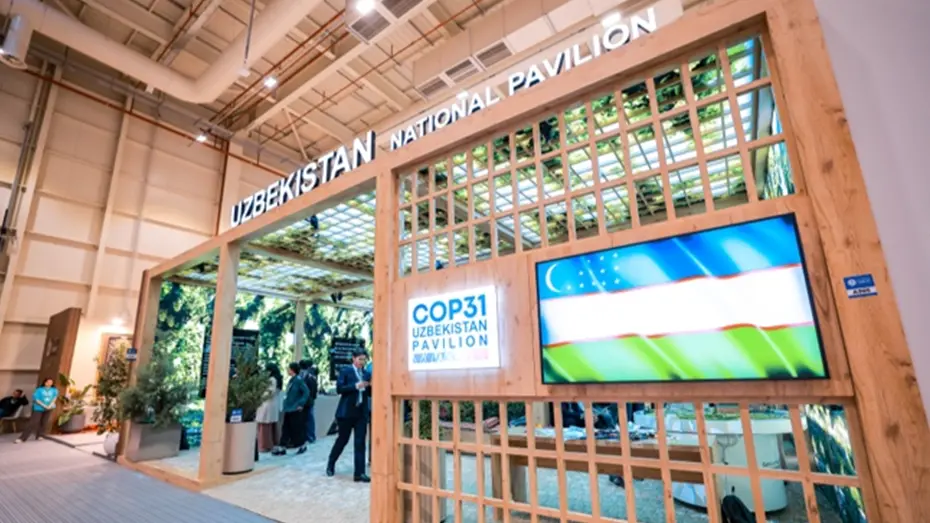

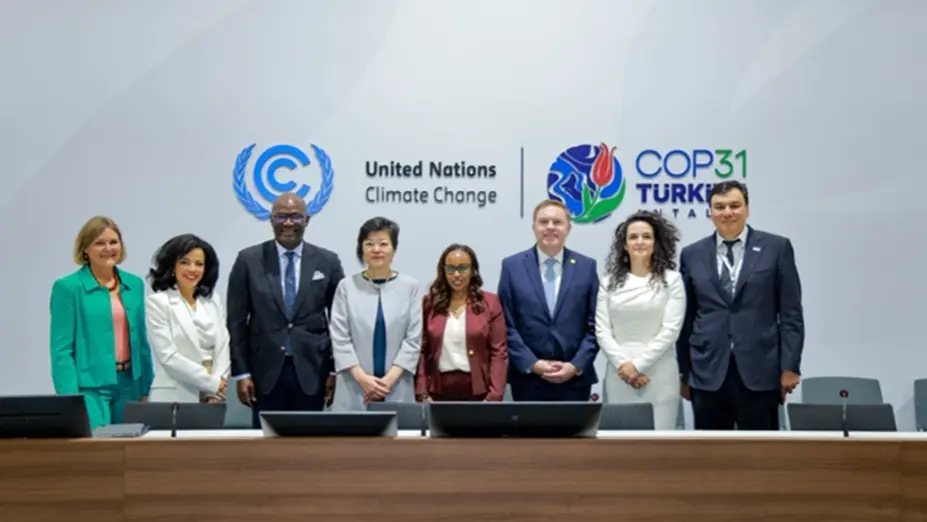
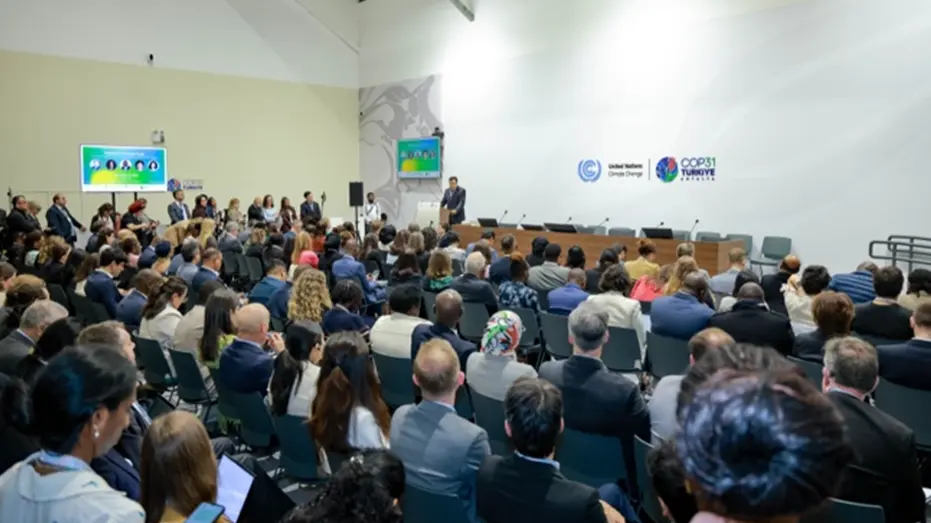
ANTALYA, November 11. /Dunyo IA/. On the third day of the 31st Conference of the Parties to the United Nations Framework Convention on Climate Change (COP31) in Antalya, a series of events involving Uzbekistan continues, reports Dunyo IA correspondent.
Yesterday, at the National Pavilion of the country and other venues of the conference, demographic and climate resilience, human mobility in the context of climate change and enhancing the effectiveness of climate finance were discussed. Today, Summit of Heads of State and Government kicks off and will run until November 12th, with its main theme announced as “Towards a Sustainable, Resilient and Equitable Future”.
At the Pavilion of Uzbekistan, a side event titled “Twin Challenge: Building Demographic and Climate Resilience for People-Centered Adaptation” was held, where a report prepared with the participation of the United Nations Population Fund (UNFPA) on the impact of climatic factors on public health, incomes, infrastructure and demographic behaviour was presented.
Chairman of the National Committee on Ecology and Climate Change Aziz Abdukhakimov noted that the country's population has exceeded 39 million people and could reach 52 million by 2050, while the average annual temperature over the past 60 years has risen by approximately 1.6 °C. Among the results of adaptation efforts, he highlighted the creation of protective forest plantations on 2 million hectares of the dried seabed of the Aral Sea and the introduction of water-saving technologies on 2.6 million hectares of irrigated land, which saved about 3 billion cubic meters of water in 2025.
Uzbek side proposed launching a Youth Program on Climate Innovation and Desert Economy in 2027 at Green University jointly with UNFPA. It will include a School of Young Ecologists and Climate Negotiators, a Youth AI Laboratory for assessing climate risks based on demographic data, starting with the Aral Sea region, as well as a track on developing the desert economy.
In addition, a high-level event on human mobility in the context of climate change was held at the Pavilion of Uzbekistan. Following its outcomes, the countries of Central Asia and the South Caucasus signed the Silk Road Declaration put forward by Uzbekistan. Document provides for strengthening regional cooperation in the field of climate-induced migration and protecting vulnerable communities. Its role was noted in advancing the initiative of the President of Uzbekistan to develop a Global Framework for International Cooperation on Climate Mobility, presented at the 80th session of the United Nations General Assembly.
During a dialogue with the heads of five multilateral climate funds, Uzbekistan put forward two initiatives: establishing a Central Asian Climate Finance Dialogue in the “5+5” format with its first meeting to be held in Tashkent in 2027, and transitioning from early warning to climate-informed investments. The latter involves using forecasts of droughts, heatwaves, water availability, and dust storms in agricultural and infrastructure planning, evaluating results based on the volume of water saved, land restored and livelihoods strengthened.
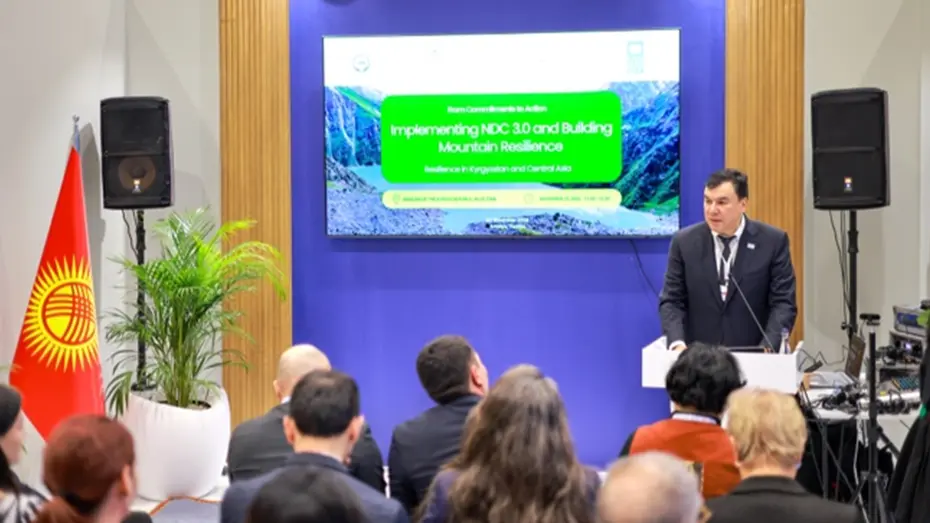
Aziz Abdukhakimov also participated in an event at the Pavilion of Kyrgyzstan dedicated to the implementation of NDC 3.0 and enhancing the resilience of the mountainous regions of Central Asia. Participants discussed the climate vulnerability of mountain territories, attracting financing, and the water-energy-adaptation nexus in the context of preparations for the “Bishkek+25” Global Mountain Summit, which will be held in 2027.

Latest News



See all
Read also

Джевдет Йылмаз: Узбекистан не только развивается, но и действует с позиций устойчивого развития

Kok Li Peng: Uzbekistan demonstrates Impressive Development Dynamics and opens new opportunities for International Cooperation