Astana Summits to define new strategies for regional environmental sustainability and water security
April 22, 2026. 08:15 • 7 min
• 1148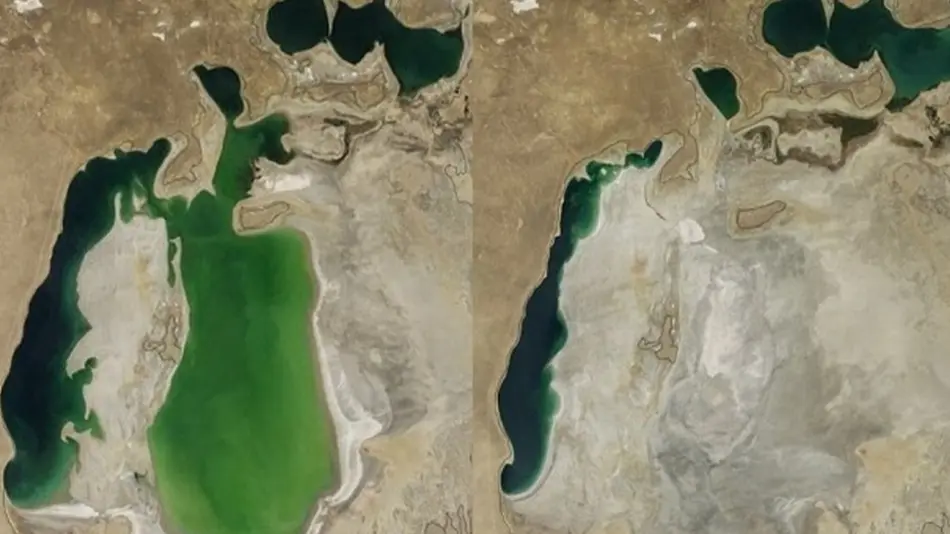
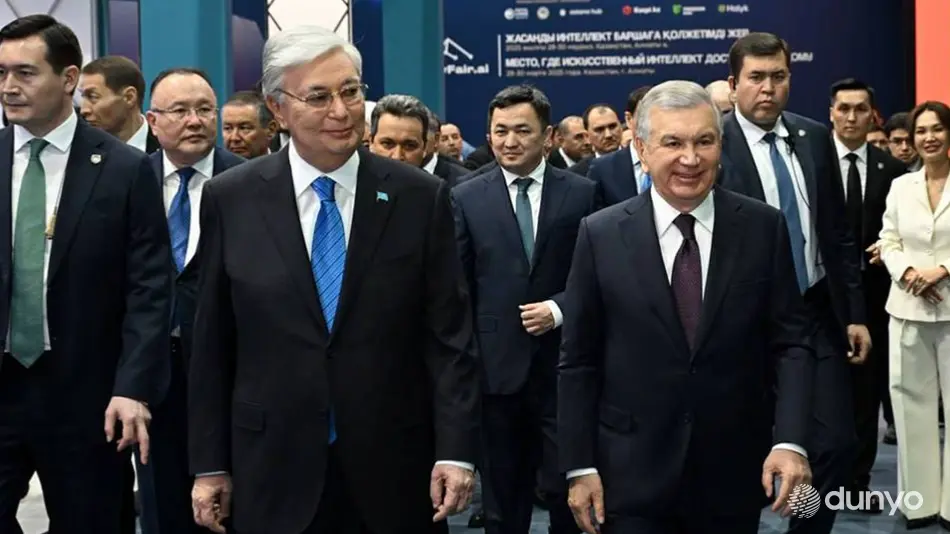
ТАSHKENT, April 22. /Dunyo IA/. Today, President of Uzbekistan Shavkat Mirziyoyev, will participate in the Regional Environmental Summit and the meeting of the Council of the Heads of State-Founders of the International Fund for Saving the Aral Sea in the city of Astana, reports Dunyo IA correspondent.
During the events, the sides will discuss strengthening regional cooperation towards the sustainable development of Central Asia, as well as addressing the region's pressing environmental, climate, and water challenges.
At the forums, the President of Uzbekistan will share his vision on these issues and visit a special environmental exhibition featuring national pavilions. Following the summits, several important documents are expected to be adopted.
This meeting of the Heads of State-Founders of the International Fund for Saving the Aral Sea (IFAS) holds particular significance, as Uzbekistan is set to assume the chairmanship of the fund for the 2027-2029 period. This will mark the country's third mandate in history, following its previous chairmanships in 1997-1999 and 2013–2016.
During the 2023 meeting held in Dushanbe under Tajikistan’s chairmanship, which marked the 30th anniversary of IFAS, the leader of Uzbekistan put forward a number of significant initiatives.
During 2023 meeting held in Dushanbe under Tajikistan’s chairmanship, which marked the 30th anniversary of IFAS, the leader of Uzbekistan put forward a number of significant initiatives.
Specifically, in his address, President Shavkat Mirziyoyev proposed the further improvement of the legal framework of the International Fund for Saving the Aral Sea and the modernization of its institutional mechanisms. He called for strengthening systematic cooperation in attracting investments, technologies, and technical assistance to promote priority regional projects. Furthermore, he suggested developing long-term development plans for the Amudarya and Syrdarya river basins with the participation of international consultants, fostering a culture of prudent use of water and other natural resources, and supporting youth initiatives and startups through the adoption of a specialized program.
Established in 1993, International Fund for Saving the Aral Sea has, over the years, become an indispensable mechanism for mutual trust and partnership among the states of the region.
Having held observer status at the UN General Assembly since 2008, this unique platform stands as the only regional structure that provides a comprehensive approach to managing water resources, improving the environmental situation, and addressing the socio-economic challenges of the Aral Sea region.
In recent years, Central Asia has increasingly faced the consequences of climate change and is considered one of the world's regions most vulnerable to these processes. Over the last 70 years, temperatures in the region have risen by 1.5-2 degrees Celsius. This contributes to the worsening of environmental problems, the melting of glaciers, and the acceleration of desertification processes.
Water scarcity is intensifying across Central Asia. Currently, more than 37 million people live in areas with acute water shortages, largely due to declining water supply levels and the insufficient development of related infrastructure.
According to estimates by the Eurasian Development Bank, between 2025 and 2030, the total volume of investment required by the countries of the region for water and climate infrastructure will amount to approximately USD 29.2 billion.
The situation is further aggravated by the state of the Aral Sea region; every year, winds lift between 15 and 75 million tons of sand, dust and salt from the dried-up seabed. This significantly degrades air quality over vast distances and leads to direct socio-economic losses.
Therefore, in recent years, the environmental agenda has occupied an increasingly prioritized place in the regional cooperation of Central Asian countries. Issues of water resources, land degradation, climate change and the state of the Aral Sea region are now considered not in isolation, but within the context of the overall sustainable socio-economic development of the region.
It is also noteworthy that the countries of the region have intensified their participation in international climate initiatives. Specifically, at conferences held under the UN Framework Convention on Climate Change (UNFCCC), Central Asian states advocate under the principle of “5 Countries - 1 Region – 1 Voice”, presenting both national priorities and coordinated regional approaches to addressing climate challenges.
Notable results have also been achieved in adapting to the consequences of the Aral Sea crisis. Specifically, over the last five years, 2 million hectares of forest plantations have been created on the Uzbek part of the dried-up seabed, while the Kazakh side has conducted forest reclamation work on an area exceeding 1 million hectares.
Another clear result of regional cooperation is the improved situation in the Northern Aral Sea. Thanks to the coordination of reservoir operations along the SyrDarya River and the implementation of interstate agreements, more than 6 billion cubic meters of water have entered the sea over the past three years. Consequently, the volume of the Northern Aral Sea increased from 18.9 billion cubic meters at the end of 2022 to 23 billion cubic meters by the end of 2025.
Regional cooperation is also expanding in the fields of knowledge exchange and scientific environmental expertise. The establishment of the Central Asian University of Environmental and Climate Change Studies in Uzbekistan is a result of these efforts, opening new opportunities for professional training and the development of joint research in the region.
The regional environmental summits to be held in Astana will mark another step toward achieving shared climate goals. The development of new and practical solutions to overcome climate and environmental challenges will contribute not only to strengthening Central Asia's contribution to the global climate agenda but also to ensuring ecosystem resilience, reducing air pollution, and promoting rational natural resource management. This includes addressing priority regional tasks, primarily in the areas of water and energy resources.
In recent years, thanks to strict compliance with interstate agreements, a number of projects have been implemented. For instance, in 2018, UN Multi-Partner Human Security Trust Fund for the Aral Sea Region was launched, serving as a vital complement to political initiatives. Established at the initiative of Uzbekistan, this fund has evolved into an effective mechanism for pooling donor resources and coordinating international efforts to address the region's pressing socio-economic and environmental challenges.
Simultaneously, large-scale reforms are being carried out in our country under the leadership of the Head of State within the framework of the “Yashil Makon” (Green Nation) nationwide project. As part of this initiative, aimed at environmental protection and urban greening, an annual campaign is conducted to plant 200 million saplings on a regular basis.
Over the past period, 942 green gardens and public parks have been established across more than 2,000 hectares, while “New Uzbekistan” parks have been created in 47 residential areas. In the country’s mountainous, desert, and foothill zones, 256,000 hectares of forest plantations have been developed. On the dried bed of the Aral Sea, protective forest plantations with green cover now span 2 million hectares. To mitigate the harmful effects of wind and dust-sand erosion, 60-kilometer-long “green belts” have been established in 33 districts.
In 2025, modern nurseries were commissioned in the Khojayli, Yangibazar, Gijduvan, Balykchi and Akhangaran districts, capable of cultivating 5.5 million ornamental saplings annually.
Furthermore, to mitigate desertification processes based on Chinese expertise, gardens of drought-resistant halophytes were established for the first time this year on an area of 50 hectares across the Arnasay, Karakul, Mubarek, Karmana and Nukus districts.
The initiatives put forward by the regional states at the 2023 Dushanbe Summit define the core agenda for the negotiations in Astana. Specifically, the Uzbek side proposes developing 'roadmaps' for each regional project with clearly defined funding sources and implementation timelines, strengthening cooperation in water-saving technologies, and involving Afghanistan in the regional water dialogue, including through the study of the Qosh Tepa canal's impact.
The meeting will review major projects concerning the environmental situation in the Aral Sea basin, as well as issues of sustainable development, food, and energy security. Specifically, 42 environmental projects are currently being implemented in the Aral Sea basin. Additionally, the launch of two regional grant projects with the support of the World Bank is under consideration.
In conclusion, Astana summits will serve as a clear reflection of the consolidation of Central Asian states in the fight against environmental catastrophe. The transition from outdated irrigation methods to digital management systems, combined with political will and institutional reforms, stands as a key guarantee of regional peace and prosperity.

Latest News

See all
Read also

Queen Raja Zarith Sofiah: Thank you, Uzbekistan, for the warm hospitality and unforgettable experiences!
Uzbekistan and the Czech Republic consistently develop multifaceted cooperation based on mutually beneficial dialogue
Uzbekistan and Kazakhstan: Deepening alliance amid global challenges on the basis of trust and shared interests