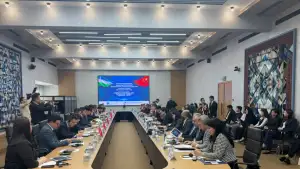
Central Asia and the Far East of Russia have significant potential to build a New Framework for Eurasian-Pacific Cooperation
October 26, 2026. 12:30 • 7 min
• 418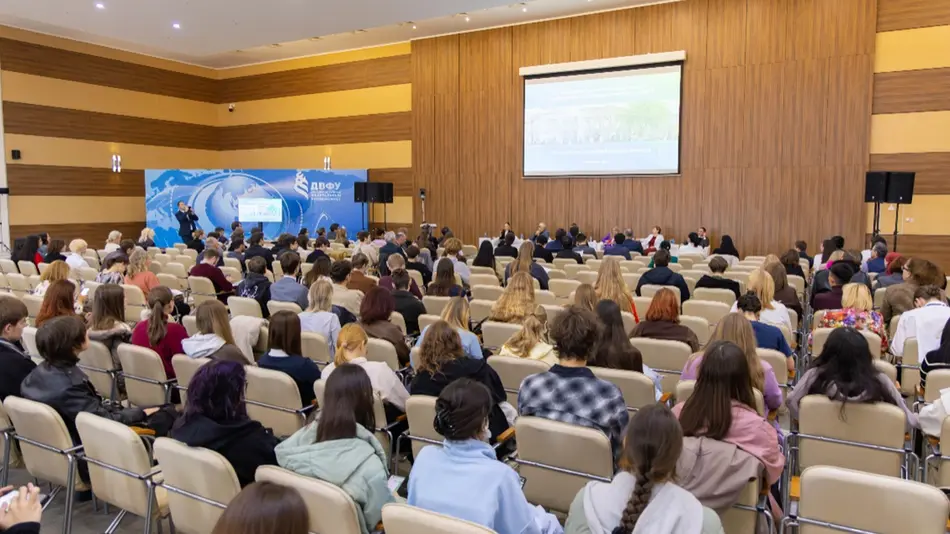
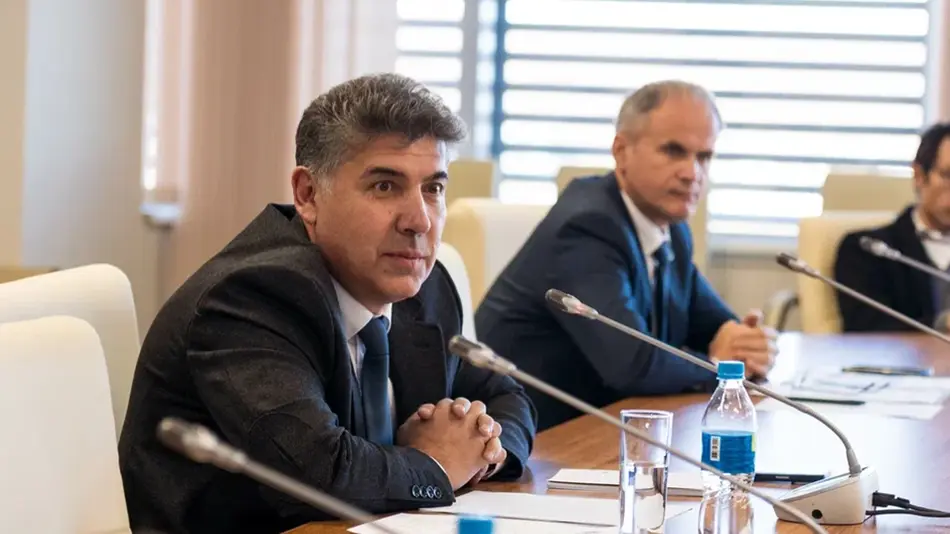
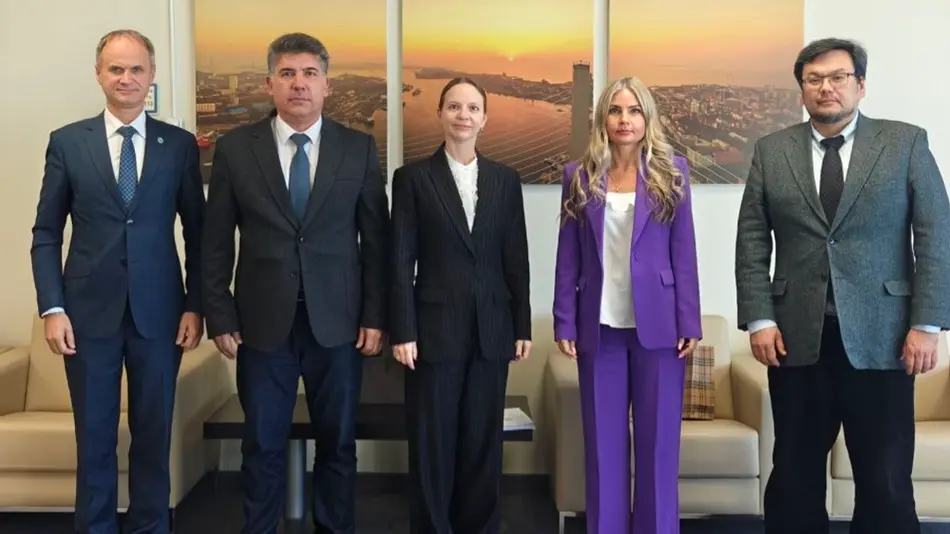
VLADIVOSTOK, October 26. /Dunyo IA/. Vladivostok hosted the first national research and practice conference organized by the Oriental Institute of Far Eastern Federal University (FEFU), bringing together Russian and international scholars, specialists on China, Japan and Korea, as well as researchers from Central Asian countries and other countries, reports Dunyo IA correspondent.
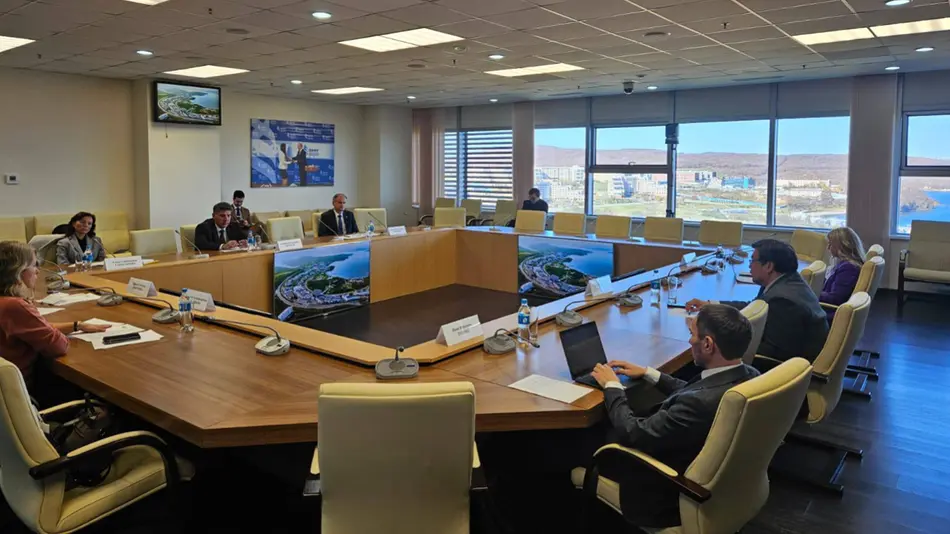
Conference included a “roundtable” entitled “Central Asia and the Pacific: A New Level of Connectivity?”
Discussion brought together representatives of Far Eastern Federal University (FEFU), Saint Petersburg State University, Institute of China and Contemporary Asia of the Russian Academy of Sciences, Moscow State Institute of International Relations (MGIMO) of the Russian Ministry of Foreign Affairs, Jusup Balasagyn Kyrgyz National University and Secretariat of the Shanghai Cooperation Organization (SCO). Uzbekistan was represented by Akramjon Nematov, First Deputy Director of the Institute for Strategic and Regional Studies under the President of Uzbekistan (ISRS).
Speaking at the “roundtable”, Akramjon Nematov emphasized that the consistent and open foreign policy pursued by President of Uzbekistan Shavkat Mirziyoyev, together with the collective efforts of Central Asian leaders, had enabled the region to move beyond resolving past disagreements towards aligning strategic priorities and jointly shaping its development prospects.
According to the ISRS representative, the political trust built up over recent years had laid a solid foundation for deeper economic cooperation. The countries of the region are fostering a space of good-neighbourly relations and shared development while taking practical steps to connect their infrastructure, industrial capabilities and technological expertise. The eighth Consultative Meeting of the Heads of State of Central Asia, held in Avaza on October 8th, 2026 with Azerbaijan’s participation, reaffirmed their commitment to this course.
Stronger regional cooperation has been accompanied by a significant acceleration in economic development. The combined GDP of the five Central Asian states has doubled since 2016 and is projected to exceed $600 billion by the end of 2026. The region’s population is approaching 100 million, providing a substantial consumer market and workforce. Meanwhile, its industrial base is expanding, economic ties between neighbouring countries are strengthening, and the region is becoming increasingly integrated into the global economy.
Together with abundant natural resources and a favourable geographical position, these factors are strengthening Central Asia’s standing as a distinct centre of economic growth and a promising partner in international industrial and technology value chains.
Akramjon Nematov noted that a pragmatic approach to diversifying external economic ties enables the region’s countries to expand cooperation with different centres of global economic growth. The development of “Central Asia Plus” formats illustrates the increasing international interest in the region. Relations with East Asian countries are particularly important: the Central Asia–China Summit took place in June 2025, followed by the first Central Asia–Japan Summit in December and the Central Asia–Republic of Korea Summit in September 2026.
It was noted that cooperation with East Asian partners extends beyond conventional trade to establishing local manufacturing capacity, processing raw materials into higher-value products, introducing advanced technologies, developing the energy sector and training engineers. This reflects Central Asia’s changing economic role: the region is becoming a partner in establishing new industries and creating added value, alongside its role as a consumer market and transit link.
Against this backdrop, “roundtable” participants highlighted the prospects for closer economic cooperation between Central Asia and the Russian Far East.
The aim is not only to increase freight volumes, but also to use transport connectivity to develop joint manufacturing ventures, strengthen technological cooperation and expand access to third-country markets. Uzbekistan has a particularly important role to play. The development of its industrial and transport infrastructure, alongside stronger economic ties with neighbouring states, is creating opportunities to establish manufacturing and logistics hubs linking the Russian Far East with markets in Central and South Asia and the Middle East.
Cooperation Plan between the Russian Far East and Uzbekistan for 2025–2030, signed in December 2024, provides a practical framework for this partnership. It covers trade, economic and investment ties, agribusiness, education, workforce training, mining and other areas.
During the “roundtable”, Akramjon Nematov outlined several interrelated priorities for translating these opportunities into practical cooperation.
First, developing interconnected transport and logistics infrastructure. One promising avenue is to establish linked logistics and manufacturing hubs in Primorsky Krai and Tashkent region, with Kazakhstan participating as a transit partner. Expanding regular container services, drawing on FESCO’s capabilities, digitalising transport operations and integrating information systems, including Uzbekistan’s E-logistika platform, would make routes more competitive, reduce delivery times and costs and ensure a steady flow of cargo on return journeys.
Second, strengthening industrial, scientific and technological cooperation. Promising areas include industrial engineering, equipment maintenance, advanced processing of mineral resources - including critical minerals and rare earth elements and the development of new materials. Research and educational institutions in the Russian Far East, particularly FEFU, could support joint research, the application of engineering solutions and the development of manufacturing in Central Asia.
This approach is consistent with President Shavkat Mirziyoyev’s initiative to establish a Eurasian Technological Industrialization Belt, aimed at developing complementary industries, expanding technological cooperation and building resilient value chains.
Third, cooperation on energy, water and environmental sustainability. Central Asia’s growing need for reliable energy supplies and efficient water use creates opportunities for joint research, deployment of hybrid power generation systems, digital management of energy systems and the introduction of water-saving technologies.
Fourth, cooperation in agriculture and food production. Advancing the President of Uzbekistan’s initiative to establish the Eurasian Agroexpress could facilitate regular deliveries of fruit, vegetables, dried fruit and processed food products from Central Asia to the Russian Far East, with fish and seafood transported in the opposite direction. This would require modern cold storage and warehousing infrastructure, coordinated inspection procedures and reliable transport arrangements.
Fifth, workforce development and cooperation in research and education. Bringing together the expertise and resources of FEFU and leading Central Asian universities would enable them to expand joint educational programs, applied research and the training of engineers and technical specialists. Of particular interest is the President of Uzbekistan’s “Engineers of the Future” initiative, which seeks to develop the skills required by joint manufacturing ventures and emerging fields of technology.
Summing up the discussion, participants emphasized that cooperation between Central Asia and the Russian Far East should focus on tangible economic results. This would entail moving from individual trade and transport transactions towards a comprehensive partnership encompassing logistics, industry, energy, research and education.
Combining the capabilities of the two regions serves their mutual interests. For Central Asia, it offers further opportunities to access Asia-Pacific markets, attract technology and engineering expertise, process raw materials into higher-value products, and strengthen manufacturing and logistics capacity. For the Russian Far East, it provides opportunities to expand economic ties with Central Asia, generate additional freight volumes, develop joint manufacturing ventures and reach markets in South Asia and the Middle East through the region.
A practical next step could be to develop a portfolio of pilot projects under the existing Cooperation Plan between the Russian Far East and Uzbekistan for 2025–2030, involving relevant government agencies, research centres, transport operators and businesses. This would help translate the opportunities identified into projects built on the competitive strengths and complementary capabilities of the two economies.
Overall, “roundtable” participants concluded that Central Asia and the Russian Far East have considerable potential to develop a new network of cooperation linking Eurasia and the Pacific. Central Asia is increasingly seen as an economic hub in its own right and a promising participant in international value chains, rather than solely as a peripheral market or transit region.
Realizing this potential will require further development of transport routes, closer links between manufacturing operations, broader technological exchange and lasting partnerships. This model could deliver mutual benefits, strengthen both regions’ roles in the international division of labour and create further opportunities to enter new markets.
Meetings were also held on the sidelines of the conference with participants from Russia, China, Vietnam and other countries. Discussions covered prospects for expanding interregional cooperation, strengthening expert dialogue and pursuing joint research initiatives. Agreements were reached to broaden professional contacts and strengthen cooperation with relevant research and educational institutions.

Latest News


See all
Read also
Turkish expert links future of OTS to deepening partnership between Ankara and Tashkent
View from Paris: Sustainable dynamics of expanding the foreign economic ties of Uzbekistan open up new prospects for long-term partnerships