Marina Olshanskaya: Climate Priorities of Uzbekistan reflect the need for a comprehensive approach to strengthening Global and National Resilience
November 13, 2026. 08:10 • 3 min
• 53
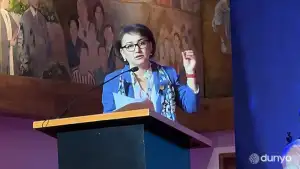
ANTALYA, November 12. /Dunyo IA/. International Expert on Decarbonization and Climate Finance Marina Olshanskaya (Azerbaijan) commented for Dunyo IA on the outcomes of the participation of the President of Uzbekistan in the UN Climate Summit held in the city of Antalya on November 10–11th:
– At the summit, President of Uzbekistan outlined three key areas that, in my view, are of great significance both for the country and for the global climate agenda.
First is the improvement of early warning systems. Today, it is not merely about increasing the accuracy of weather forecasts, but about the ability to promptly translate scientific data into concrete actions that enable the timely identification of threats, prevention of human casualties, and minimization of economic damage. This is a global challenge, the solution of which requires close regional cooperation. Amid growing climate risks and the increasing frequency of extreme natural phenomena, Uzbekistan’s initiative in this area is particularly relevant.
Second area is the development of technologies and innovative solutions. In this regard, I would like to note the establishment of Green University in Uzbekistan, which is building the necessary scientific and educational foundation for training specialists and developing new technologies. It is important to understand that in combating climate change, there are no universal solutions that can simply be borrowed from technologically advanced countries such as Japan or Israel. Each state must develop its own technologies taking into account national specifics and climate challenges. For Uzbekistan, these are primarily dust storms, droughts, floods and other natural phenomena. Therefore, it is necessary to develop local scientific potential, train qualified personnel and create solutions maximally adapted to local conditions. Uzbekistan is already working in this direction; and President’s attention to this topic confirms its strategic significance.
Third area is climate finance, which is one of the key themes of my professional activity and the Conference of the Parties. Achieving global climate goals requires significant financial resources. However, it is important not only to attract these funds, but also to ensure acceptable terms for their provision to states. As the President of Uzbekistan rightly emphasized, concessional loans, grant support, and other accessible financial instruments are of particular importance. We must not be faced with a choice between preserving a favourable environment for future generations and leaving them with a significant debt burden. Therefore, it is necessary to find a balance, develop partnerships with international financial institutions, and formulate mechanisms that make it possible to implement climate initiatives without placing an excessive burden on the national economy.
Overall, all three areas are interconnected and form a comprehensive approach to addressing climate challenges: from timely risk warning and the development of domestic technologies to ensuring accessible financing. It is precisely such a systemic approach and international cooperation that will make it possible to achieve real results in strengthening climate resilience.

Latest News




See all
Read also

Address of the President of Uzbekistan at COP31 marks an important step toward shaping a Unified and Long-Term Climate Agenda for Central Asia

View from Slovenia: Uzbekistan emerges as one of the most Influential Leaders of the OTS
Outcomes of meetings and negotiations in Ankara open a new chapter in the Economic Diplomacy of Uzbekistan