IICA: Next Decade could mark a new era of economic cooperation in Central Asia
November 06, 2026. 15:00 • 2 min
• 102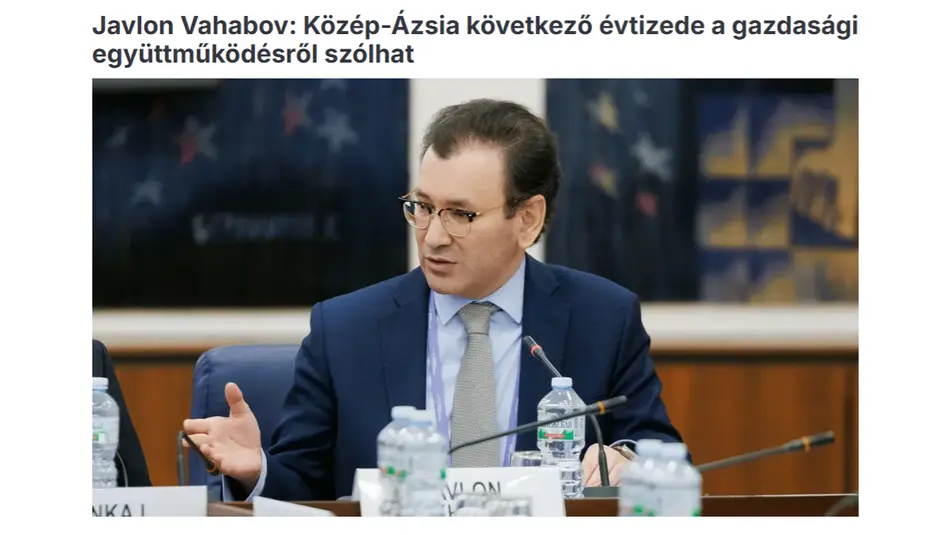
BUDAPEST, November 6. /Dunyo IA/. Javlon Vahabov, Director of the International Institute for Central Asia (IICA), discussed Uzbekistan’s international standing, geopolitical shifts and prospects for economic integration in the region in an interview with the Hungarian news portal “Origo”, reports Dunyo IA correspondent.
According to Javlon Vahabov, emergence of a multipolar world order is creating new opportunities for Central Asia while also intensifying geopolitical competition, exacerbating water scarcity and increasing the importance of transport connectivity.
Interview places particular emphasis on Uzbekistan’s regional policy, pursued since 2016 and aimed at strengthening good-neighbourly relations, resolving outstanding issues and expanding economic cooperation. Among the key achievements highlighted is the agreement reached by Uzbekistan, Kyrgyzstan and Tajikistan in March 2025.
At the same time, political rapprochement among the countries has so far outpaced economic integration. Next stage should involve expanding joint projects in industry, energy, agriculture and transport. One example cited was the Kambarata Hydropower Plant Project, which brings together Uzbekistan, Kyrgyzstan and Kazakhstan.
Director of the IICA also highlighted the growing role of the “C5+1” formats, which bring together the five Central Asian countries and their international partners. In his assessment, a coordinated position among the countries would enhance the region’s investment appeal and strengthen its standing in the global economy.
Among the key challenges facing the region over the next five to ten years, Javlon Vahabov identified geopolitical risks, water scarcity and limited transport routes. He attached particular strategic importance to the construction of the China–Kyrgyzstan–Uzbekistan Railway and the development of the Trans-Caspian International Transport Route, which will expand the region’s access to the markets of China and Europe.
In conclusion, Head of the IICA emphasized that Central Asia’s main achievement over the past decade has been the strengthening of regional trust. Priority now should be to translate political rapprochement into tangible economic results, including increasing intra-regional trade from its current level of more than $12 billion to $20 billion and beyond.

Latest News

See all
Read also
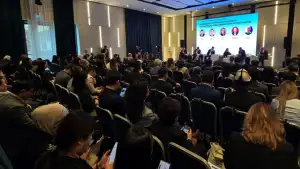
Joint Industrial Projects and Investment Opportunities in Central Asia discussed in Bishkek
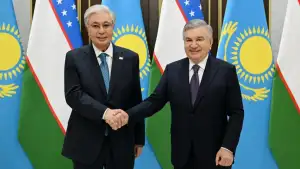
Akramjon Nematov: Modernization agendas of Kazakhstan and Uzbekistan - Foundation for Sustainable Development in Central Asia