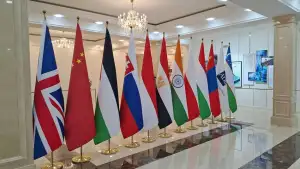
Regional Initiatives on Climate Adaptation in Central Asia presented at COP31 in Antalya
November 09, 2026. 20:00 • 4 min
• 100
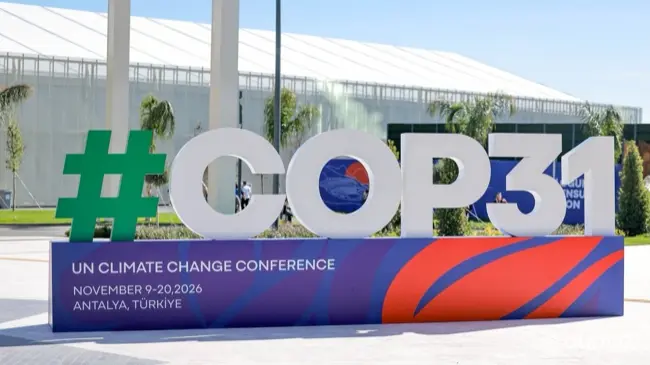



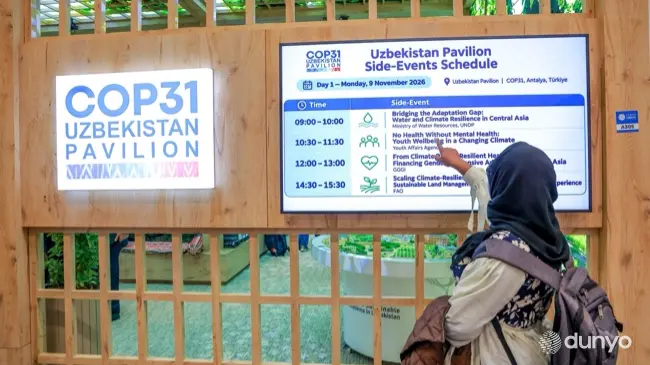
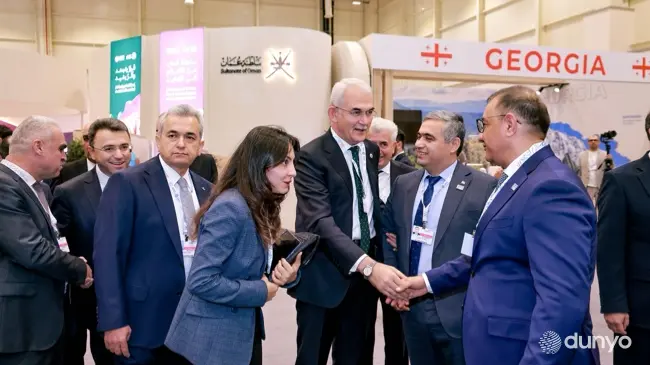

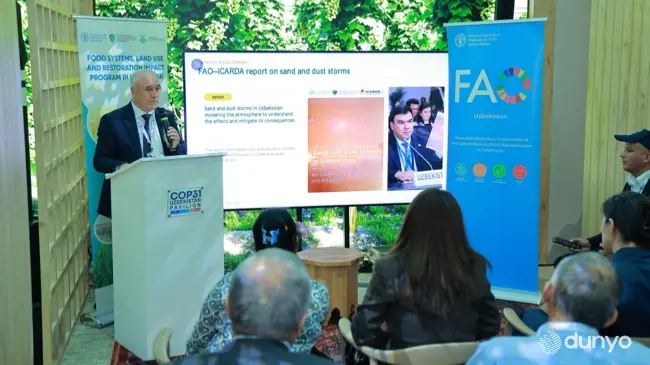
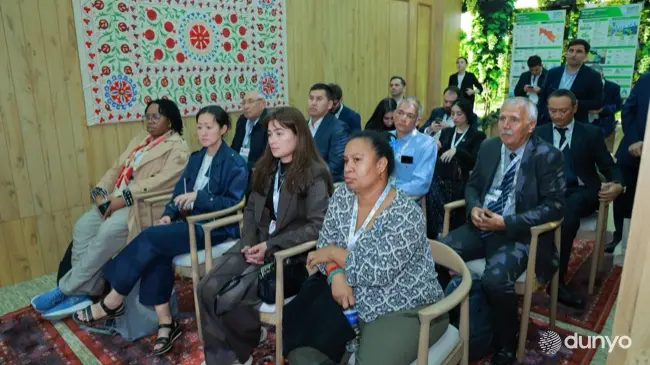
ANTALYA, November 9. /Dunyo IA/. Within the framework of the 31st Conference of the Parties to the UN Framework Convention on Climate Change (COP31), a series of events with the participation of Uzbekistan was held in Antalya, reports Dunyo IA correspondent.
Their agenda covered the water and climate resilience of the region, the impact of climate change on youth mental health, adaptation of healthcare and agricultural systems, as well as the launch of a program for landscape restoration in Central Asia.
The side event titled “Bridging the Adaptation Gap: Water and Climate Resilience in Central Asia” brought together representatives of the region's government bodies, international organizations, and financial institutions. The participants discussed the transition from national adaptation planning to coordinated actions in transboundary river basins: joint monitoring and data exchange, early warning systems, modernization of irrigation, and climate finance. Uzbekistan presented its experience in adapting the water sector and a project in the Aral Sea region implemented in cooperation with the UNDP and Japan. The organizers intend to draft a document titled “Antalya–Abu Dhabi: Action Agenda on Water and Climate Resilience in Central Asia” and submit its proposals to the agenda of the UN World Water Conference in Abu Dhabi.
An event titled “No Health Without Mental Health: Youth Well-being in a Changing Climate” was held at the National Pavilion of Uzbekistan. The discussions focused on the impact of climate anxiety, droughts, water scarcity, and forced displacement on the emotional well-being of young people. The participants emphasized the necessity of incorporating youth experiences into climate solutions and establishing accessible psychological support mechanisms.
Concurrently, an event was hosted on financing gender-responsive adaptation in healthcare. The participants underscored that extreme heat and depleting water resources pose additional risks, primarily to women, adolescent girls, and rural populations. Global Green Growth Institute (GGGI) and the United Nations Population Fund (UNFPA) signed a memorandum of understanding on cooperation in developing climate-resilient healthcare infrastructure. Within this framework, a model for a resilient maternal health system is being developed in the Republic of Karakalpakstan, while a program to ensure the continuous operation of emergency medical services has been formulated in Kyrgyzstan.
Food and Agriculture Organization (FAO) hosted a side event on the FOLUR-Uzbekistan project, implemented in cooperation with the Ministry of Agriculture of Uzbekistan. The discussions centered on addressing drought, water scarcity, and land degradation, as well as the adoption of conservation agriculture practices such as zero-tillage (No-till), minimum tillage, crop diversification and farmer training.
At the German Pavilion, the regional program “Climate Resilient Landscapes in Central Asia” (CLiCA) was officially launched, following its approval by the Green Climate Fund (GCF) Board on October 28th, 2026. The initiative was developed jointly by Uzbekistan, Kyrgyzstan, and Tajikistan with the support of the GCF, the Federal Republic of Germany, GIZ, and the European Investment Bank (EIB). Under this program, €103.7 million in investments will be allocated to Uzbekistan, targeting 15 districts across four regions. The project entails the restoration of 18,000 hectares of forests and 123,000 hectares of pastures, the deployment of drip irrigation, the introduction of drought-resistant crops and greenhouses, and the provision of climate advisory services to 12,000 farmers. The program is projected to enhance the climate resilience of 342,000 people, half of whom are women. Furthermore, for every euro of national co-financing, international partners contribute over €24.
Minister of Ecology, Environmental Protection and Climate Change of Uzbekistan Aziz Abdukhakimov, outlined Uzbekistan's institutional commitments, which include the official launch of the program in 2027, full national accountability for its outcomes, and comprehensive, transparent reporting. “Today's signing is not the finish line, but the starting point”, he stated.

Latest News

See all
Read also

Investment and Tourism Potential of the Jizzakh Region sparked great interest among Foreign Diplomats

Foreign Diplomats familiarize themselves with the activities of major Industrial Enterprises in Jizzakh Region of Uzbekistan