Uzbekistan and India expand Scientific Cooperation in Studying the Legacy of Ibn Sina
November 16, 2026. 09:30 • 3 min
• 207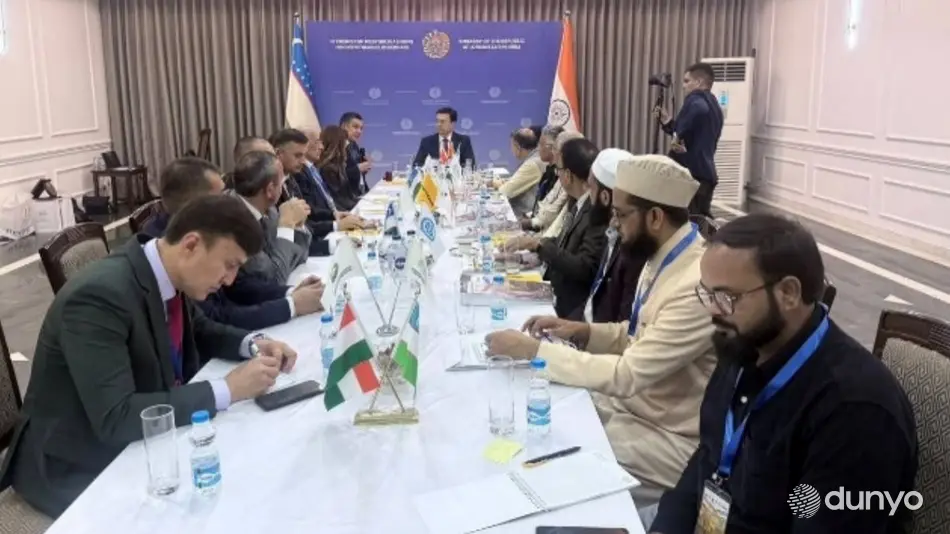
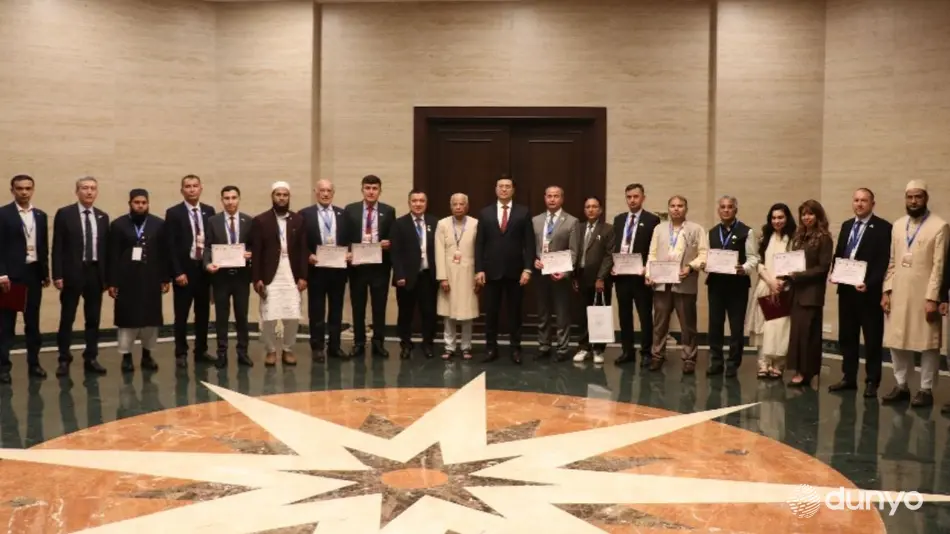
DELHI, November 16. /Dunyo IA/. The first scientific expedition entitled “Uzbekistan – India: Abu Ali ibn Sina (Avicenna) – Manuscripts – Science – Life. A New Stage of Bilateral Scientific Cooperation” was held in Delhi, Ghaziabad and Aligarh. It was organized by the Ibn Sina Foundation jointly with the Embassy of Uzbekistan in Delhi and the Ibn Sina Academy of Medieval Medicine and Sciences, reports Dunyo IA correspondent.
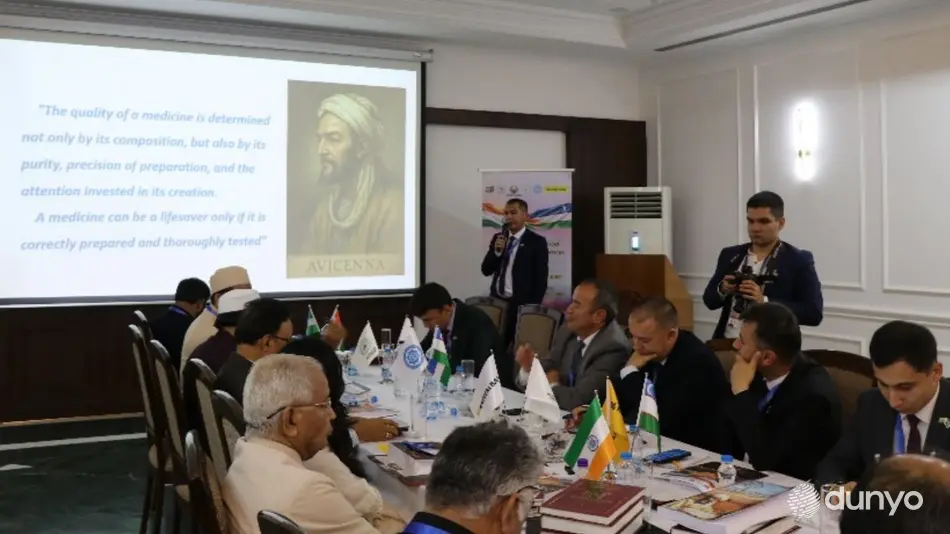
As part of the expedition, a scientific conference entitled “Abu Ali ibn Sina – An Ambassador of Peace and Progress” was held at the Embassy of Uzbekistan. It brought together representatives of Uzbek scientific and educational institutions, including International Islamic Academy of Uzbekistan, Center of Islamic Civilization, Tashkent State University of Oriental Studies and "Vatan" University.
Indian side was represented by Hakim Syed Zillur Rahman, Head of the Ibn Sina Academy, as well as professors and scholars from the Ayurvedic and Unani Tibbia College in Delhi, Jamia Millia Islamia University, Aligarh Muslim University and a medical college in Lucknow.
Opening the conference, Ambassador of Uzbekistan Sardor Rustambaev emphasized that scientific and cultural ties have historically played an important role in relations between the two peoples. He placed particular emphasis on the legacy of Ibn Sina, whose works became widely known in India and have served for centuries as one of the foundations of Unani traditional medicine.
During the conference, participants presented research on Ibn Sina’s medical legacy, his philosophical interpretation of Quranic surahs and the hermeneutical analysis of the scholar’s scientific and philosophical works.
Particular attention was also given to Avicenna’s pharmaceutical legacy and its significance for modern pharmacy, the development of medicines based on his prescriptions, standardisation of medicinal plants and opportunities to combine traditional medicine with modern scientific approaches.
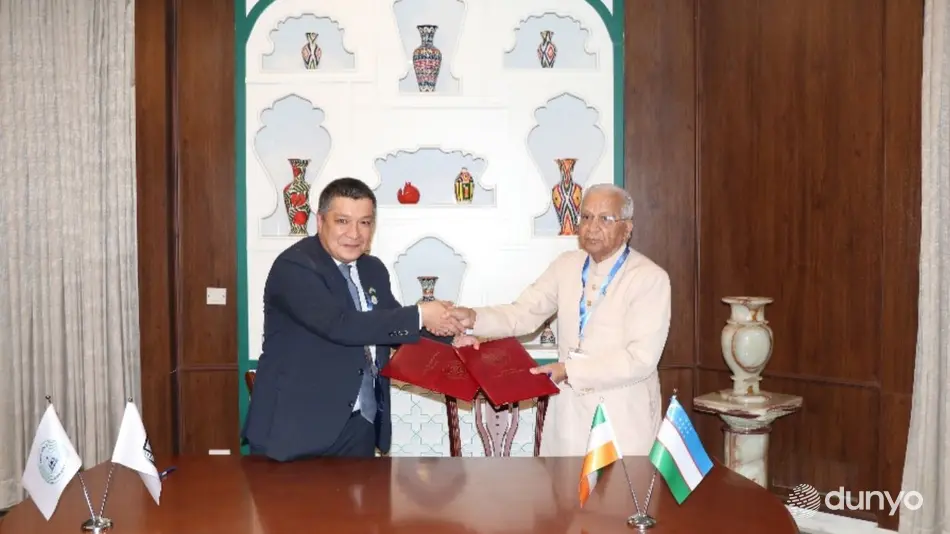
An important outcome of the conference was the signing of a Memorandum of Understanding between Uzbekistan’s Ibn Sina Foundation and the Ibn Sina Academy of Medieval Medicine and Sciences, providing for the development of scientific cooperation.
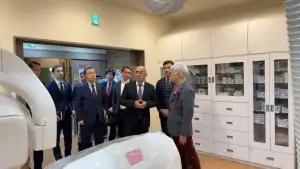
Expedition programme also included a "roundtable" discussion at the National Institute of Unani Medicine, as well as scientific conferences and symposia at Aligarh Muslim University and the Ibn Sina Academy. Following the meetings, the Ibn Sina Foundation signed memorandums of understanding with these institutions as well.
Expedition aims to deepen the study of Avicenna’s manuscript and scientific legacy, promote joint research in medicine and pharmacy and strengthen scientific and educational ties between Uzbekistan and India.

Latest News



See all
Read also
Issues of Preserving Historical Heritage and Developing Modern Cities discussed in Potsdam, Germany, with the participation of Uzbek Specialists
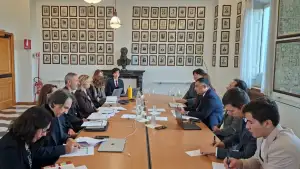
Uzbek Specialists study Italian Experience in Utilizing Artificial Intelligence in Environmental Expertise
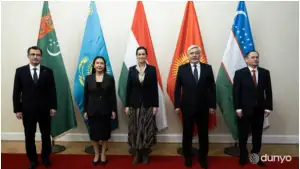
Expansion of Cooperation between Hungary and Central Asian Countries discussed in Budapest
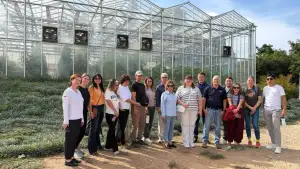
Specialists of Uzbekistan study Israeli Experience in Sustainable Water Resources Management