View from Dushanbe: Central Asia strengthens its position as an Independent Diplomatic Center of Eurasia
November 16, 2026. 12:00 • 3 min
• 120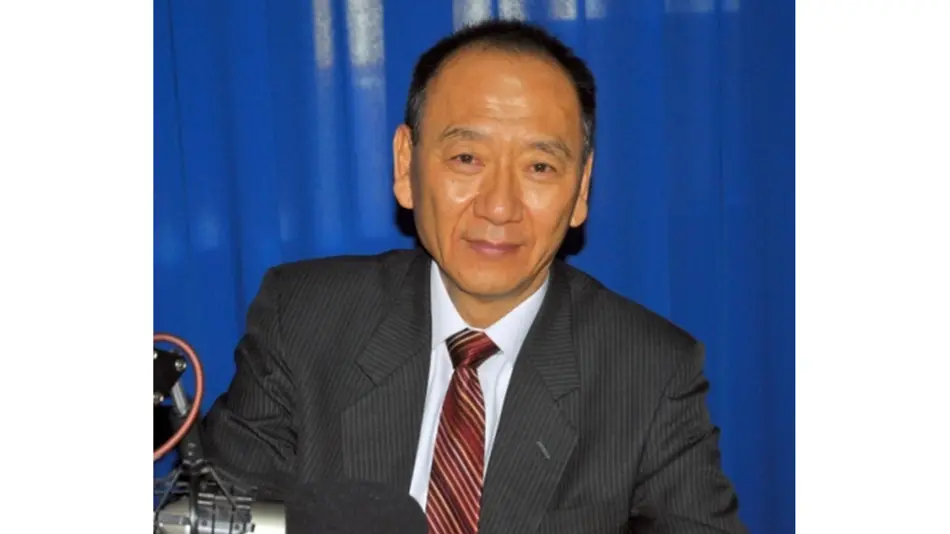
DUSHANBE, November 16. /Dunyo IA/. Viktor Kim, Research Fellow at the Institute of Philosophy, Political Science and Law of the National Academy of Sciences of Tajikistan, commented for Dunyo IA on the participation of the President of Uzbekistan in the meeting of the leaders of Central Asian states within the framework of the Aqaba Process in Astana on November 5–6th:
- Meeting of representatives of Central Asian states on November 6 in Astana within the framework of the Aqaba Process is significant not only for its subject matter, but also for its broader political context. It reflects a trend: the countries of the region are gradually transitioning from participating in international initiatives to independently shaping and advancing their own international agenda.
Interaction among Kazakhstan, Uzbekistan, and Tajikistan is particularly indicative. Kazakhstan, by acting as the host country and co-organizer of the meeting, has strengthened Astana's position as a platform for international dialogue on issues of peace and security.
Uzbekistan, in turn, proposed opening a regional office of the United Nations Office of Counter-Terrorism in the country. This will expand the presence of international structures in Central Asia and create additional opportunities for coordinating the efforts of the states in the region.
Another initiative was the proposal to launch the international program “Enlightenment Against Ignorance in the Digital Age” based at the Center of Islamic Civilization in Tashkent. It combines issues of digital security, education and countering the ideological influence of extremist organizations.
Tajikistan put forward a proposal to develop cooperation between the Aqaba and Dushanbe processes, and also drew attention to the potential of the Artificial Intelligence Center in Dushanbe. This opens up opportunities for combining the efforts of international mechanisms and expanding their practical cooperation.
These initiatives should not be viewed as rivalry among states for international influence. On the contrary, when promoted in a coordinated manner, they are capable of strengthening the positions of the entire region.
In a broader context, what is taking place testifies to a shift in the international positioning of Central Asia. Whereas previously the region was predominantly perceived through the interests of external centers of power, today its states are increasingly proposing their own solutions and participating in shaping the international agenda.
Of particular significance in this process is the diplomatic activity of Uzbekistan. Combined with the initiatives of Kazakhstan, Tajikistan, and other states, it contributes to strengthening regional agency and shaping the New Central Asia - a region that acts not only as a participant, but also as an initiator of international dialogue.
In the long term, this trend can strengthen Central Asia's position as an independent diplomatic center of Eurasia on issues of peace, security, and international cooperation. The Astana meeting within the framework of the Aqaba Process has become one of the testaments to such development.

Latest News
See all
Read also

View from Ankara: Environmental Reforms of Uzbekistan enter a new stage – From the Restoration of the Aral Sea to the Development of “Green” Energy
View from Tehran: Uzbekistan is consistently developing a National Climate Policy Framework
View from Moscow: COP31 has become a platform for advancing Environmental and Investment Initiatives of Uzbekistan
View from Dushanbe: Initiatives put forward by Uzbekistan reflect a commitment to translating them into concrete mechanisms of cooperation