Uzbekistan climbs 10 Places to 43rd in the Climate Change Performance Index
November 18, 2026. 10:00 • 2 min
• 143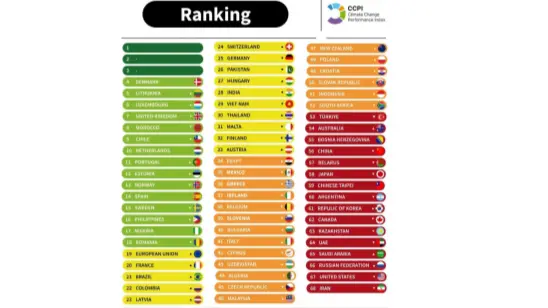
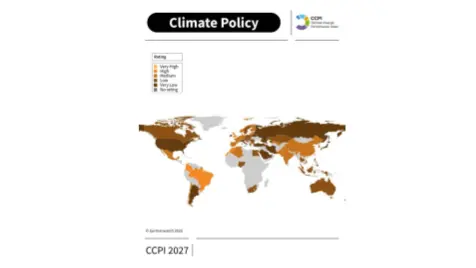
TASHKENT, November 18. /Dunyo IA/. Uzbekistan has ranked 43rd in the International Climate Change Performance Index (CCPI 2027), improving its position by 10 places compared with the previous year, reports Dunyo IA correspondent.
Findings of the study, prepared by the analytical organisations Germanwatch and the NewClimate Institute, were published in November 2026 during the 31st Conference of the Parties to the United Nations Framework Convention on Climate Change (UNFCCC COP31) in Antalya, Türkiye.
Uzbekistan was first included in the CCPI in 2024, ranking 48th. In 2025, the country ranked 54th, followed by 53rd place in 2026. In the CCPI 2027, Uzbekistan climbed to 43rd place, recording its most significant improvement in ranking since joining the index. Thus, the country advanced by 10 places over the past year and improved its position by five places compared with its first year of participation.
The improvement in Uzbekistan's ranking comes amid reforms in environmental protection, the energy transition and greenhouse gas emissions reduction. The country has established a new legislative and institutional framework for its national climate policy. Under its updated Nationally Determined Contribution (NDC 3.0), Uzbekistan has set a target to reduce greenhouse gas emissions intensity per unit of GDP by 50% by 2035, compared with 2010 levels.
Renewable energy development is accelerating, with major investment projects underway to construct solar and wind power plants. Energy-efficient technologies and climate finance mechanisms are also being introduced. Particular attention is being paid to reducing methane emissions, improving energy efficiency in the industrial and energy sectors, and developing the national system for monitoring, reporting and verification of greenhouse gas emissions.
It should be noted that the CCPI is an annual international ranking covering countries that account for more than 90% of global greenhouse gas emissions. The assessment is based on four key categories: greenhouse gas emissions, renewable energy, energy use and climate policy.

Latest News





See all