
Japan prepares to restart world’s largest nuclear power plant after over a decade of inactivity
December 23, 2025. 17:51 • 2 min
• 101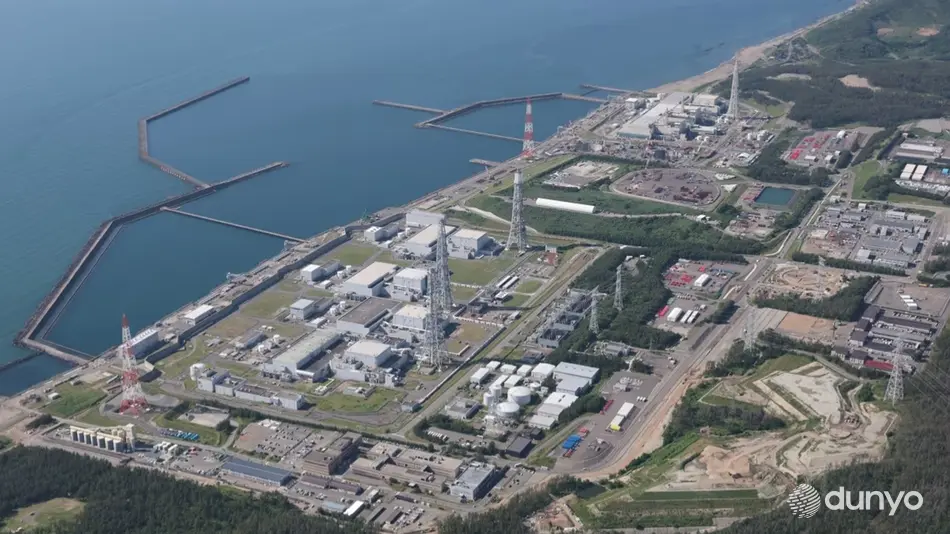
TOKYO, December 23. /Dunyo IA/. Japan has approved the restart of operations at the world’s largest nuclear power plant, “Kashiwazaki-Kariwa”, which has been offline for more than ten years following the “Fukushima-1” nuclear disaster, according to “NHK Japan” and reported by Dunyo IA correspondent.
The decision is seen as a key step in Japan’s efforts to reduce dependence on fossil fuels and restructure its energy balance.
The Niigata Prefectural Assembly has approved a bill paving the way for “Tokyo Electric Power Company” (TEPCO) to restart one of the plant’s six reactors. Against this backdrop, NHK has learned from sources that TEPCO is discussing plans to put the No. 6 reactor back online around January 20.
Following the Fukushima disaster in 2011, Japan shut down all 54 nuclear power plants, including “Kashiwazaki-Kariwa”. According to the World Nuclear Association, the country has since restarted 14 of the 33 reactors deemed operational.
The Niigata plant will be the first reactor restarted under TEPCO’s direct management.
“We remain firmly committed to never repeating such an accident and ensuring Niigata residents never experience anything similar”, - Masakatsu Takata, TEPCO spokesperson.
Before the Fukushima nuclear disaster in March 2011, nuclear power accounted for roughly 30 % of Japan’s electricity. After the shutdown of most reactors following that accident, Japan came to rely heavily on imported fossil fuels, with about 60 %- 70 % of its electricity generated from imported coal and gas, costing around 10.7 trillion yen (about $68 billion) in 2024. Prime Minister Sanae Takaichi has supported efforts to revive Japan’s nuclear sector to reduce energy costs and strengthen the economy.
Tokyo Electric Power Company (TEPCO) and regulators have carried out extensive inspections and safety upgrades such as new tsunami barriers, watertight doors, enhanced filtration systems, mobile generators, and additional emergency response equipment as part of plans to restart the Kashiwazaki‑Kariwa nuclear power plant and incorporate lessons learned from the Fukushima accident.
Photo from "The Asahi Shimbun" newspaper

Latest News
See all
Read also

Six Palestinians killed while sheltering in Gaza school



Uzbekistan expands cooperation horizons at the World Health Organization Global Summit in Delhi

Video highlighting Uzbekistan’s tourism potential displayed on largest screen in Shibuya