ISRS Expert: "The water and climate agenda does not divide, but unites the states of Central Asia"
April 10, 2025. 12:10 • 3 min
• 901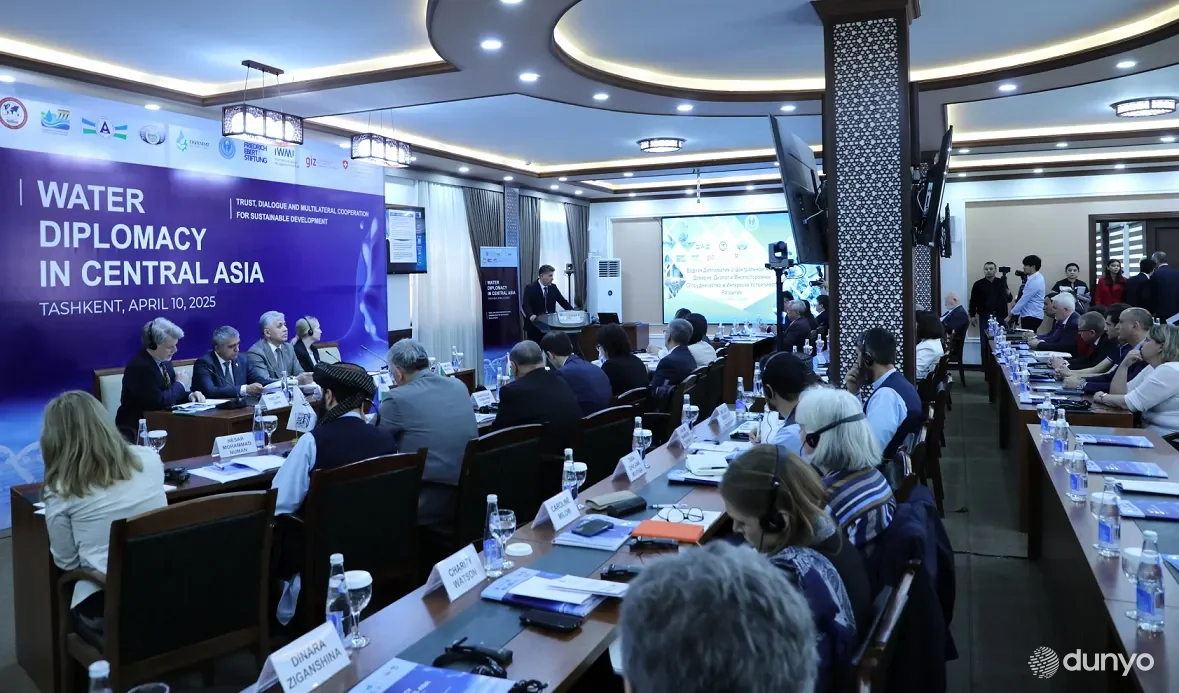
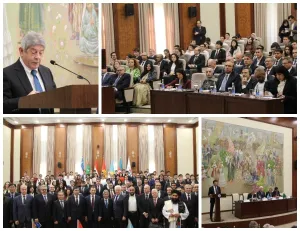
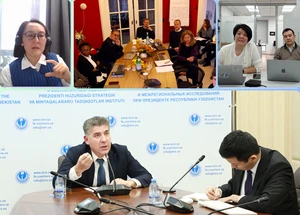
TASHKENT, April 10. /Dunyo IA/. Today, an international scientific and practical conference "Water Diplomacy in Central Asia: Trust, Dialogue, and Multilateral Cooperation for Sustainable Development" was held in the capital of Uzbekistan, reports Dunyo IA correspondent.
 The event, organized by the Institute for Strategic and Regional Studies under the President of Uzbekistan, was attended by over 100 representatives from over 10 countries, including representatives of the Regional Center for Preventive Diplomacy for Central Asia, the United Nations Assistance Mission in Afghanistan, the Regional Environmental Center for Central Asia, the International Fund for Saving the Aral Sea, and the Scientific Information Center of the Interstate Commission for Water Coordination.
The ISRS partners in organizing the conference were the Ministry of Water Resources of the Republic of Uzbekistan, the Tashkent Institute of Irrigation and Agricultural Mechanization Engineers, the Friedrich Ebert Foundation, the German Agency for International Cooperation, the International Institute for Water Management and the Swiss Agency for Development and Cooperation.
First Deputy Director of ISRS Akramjon Nematov noted that Central Asia demonstrates an alternative opportunity to form a space of mutually beneficial cooperation based on respect, solidarity and the desire for joint sustainable development.
The Central Asian states, which ten years ago were considered a zone of contradictions and disagreements, are making a significant contribution to solving urgent problems, says Akramjon Nematov. – Next month, Dushanbe is expected to host an International Conference on Glacier Conservation. In 2026, Astana will host the Regional Climate Summit of Central Asia, in 2027, Bishkek will host the Second Global Mountain Summit "Bishkek+", and in 2028, Dushanbe will host the High-Level Conference on the implementation of the goals of the International Decade for Action "Water for Sustainable Development" (2018-2028). The water and climate agenda, which once divided the Central Asian states, is becoming a unifying factor that promotes active mutual cooperation. The Central Asian countries are unanimous in the fact that only by joining efforts can we effectively cope with the challenges of our time, including in the field of water security.
As Akramjon Nematov noted, water diplomacy is gaining particular relevance, as it is seen as a tool for promoting an effective model for developing water cooperation not only in the Central Asian region, but also throughout the world. In 2023, the UN General Assembly called for the development of water diplomacy as an independent scientific discipline and a separate area of international cooperation.
– Water diplomacy is not a new phenomenon for our region, all our countries are promoting it, – says Akramjon Nematov. – It is important to summarize the accumulated experience and implement it in everyday activities. I am confident that water diplomacy will add stability to the achieved dynamics of a mutually beneficial solution to the region's water problems. For the first time, the delegation of Afghanistan is participating in a multilateral dialogue with the countries of Central Asia in such an expanded format. This indicates a readiness for constructive interaction with the countries of Central Asia.
Recently, the UN General Assembly adopted a resolution on the establishment in Almaty of the UN Regional Centre for Sustainable Development Goals for Central Asia and Afghanistan, which was initiated by Kazakhstan in co-authorship with the Central Asian countries. This became another indicator that Afghanistan is an integral part of Central Asia, each country is ready to cooperate with its neighbor based on the principles of mutual respect and consideration of each other's interests for the benefit of security, stability and sustainable development of the entire region. All issues, no matter how acute they may be, should be the subject of dialogue, and not an obstacle to it. And diplomacy, including water diplomacy, can become the key to establishing such a dialogue and jointly finding mutually beneficial solutions.
Latest News
See all
Read also
Alisher Navoi Monument in Osh becomes a new symbol of Uzbek–Kyrgyz friendship
Akramjon Nematov: The drug threat requires a multilateral and comprehensive response
Swiss “PeaceNexus” Foundation Officials praise outcomes of Fergana Peace Forum