Delegation of Uzbekistan holds series of talks on expanding trade and economic cooperation with Iraq
December 26, 2025. 15:10 • 2 min
• 333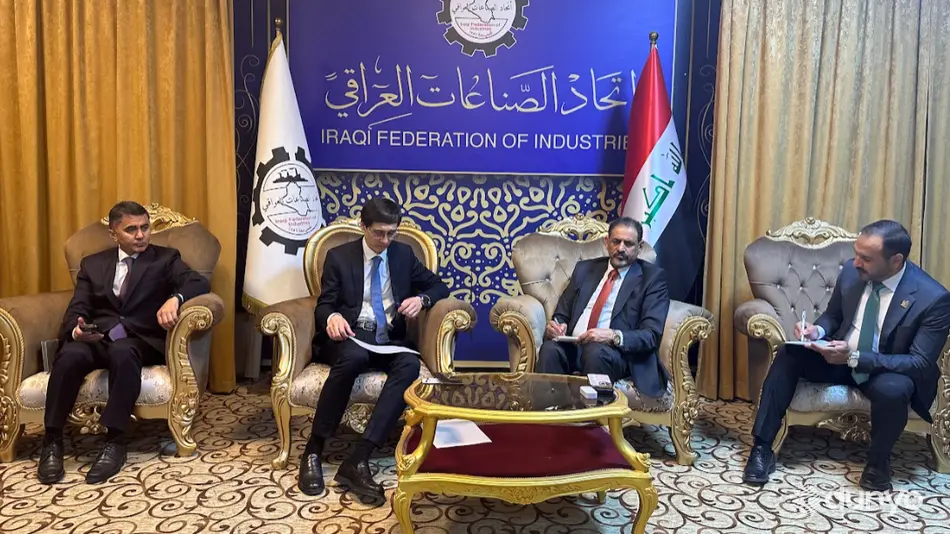
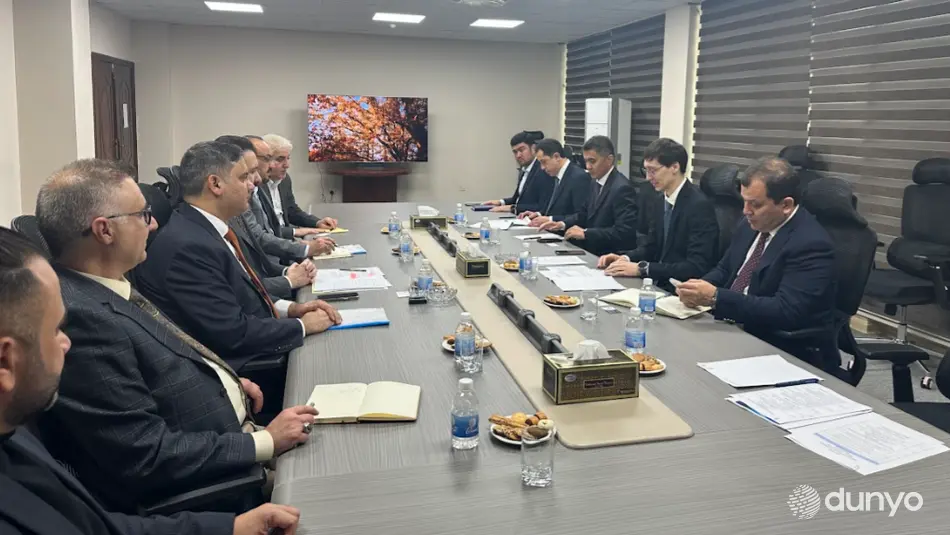
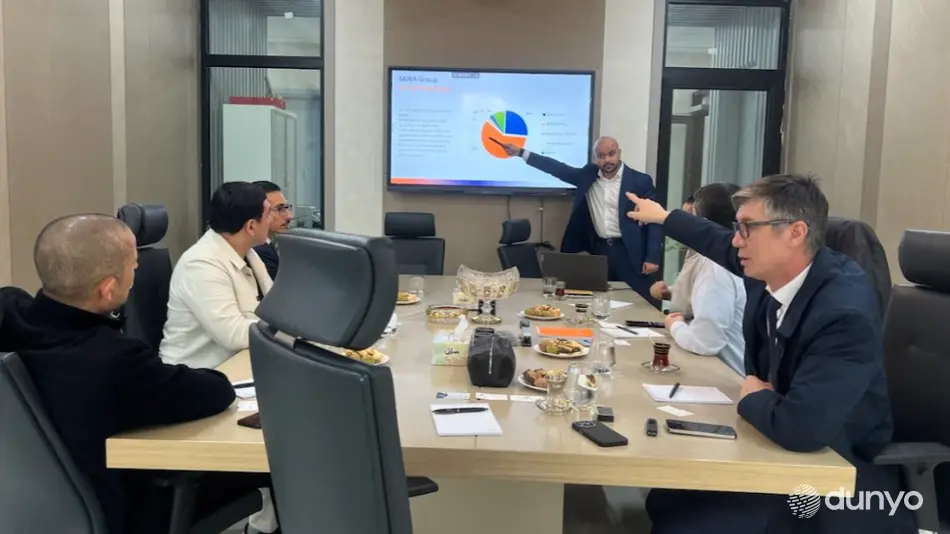


BAGHDAD, December 26. /Dunyo IA/. During a visit to Baghdad, a delegation from Uzbekistan, led by Deputy Minister of Investments, Industry, and Trade Shokhrukh Gulamov, met with the Deputy Minister of Trade for Economic Affairs of Iraq Gassan Hamid, Deputy Chairman of the Investment Committee under the Council of Ministers Salar Muhammad Amin, and the head of the Iraqi Federation of Industrialists Adil Akkab, reports Dunyo IA correspondent.
The discussions focused on the prospects for developing Uzbek-Iraqi cooperation, ways to expand mutual trade turnover, industrial cooperation, and the establishment of joint ventures. It was noted that in the first 11 months of 2025, the trade turnover between Uzbekistan and Iraq exceeded USD 70 million, demonstrating steady year-on-year growth.
To establish a solid legal framework for bilateral relations, the parties agreed to develop intergovernmental agreements in the areas of economic cooperation, investment promotion and protection, preferential trade, and industrial collaboration.
Additionally, a series of meetings were organized in Baghdad for Uzbek entrepreneurs traveling with the delegation, led by the Chairman of the Chamber of Commerce and Industry of Uzbekistan, Davron Vakhabov. The meetings involved leaders of Iraqi companies operating in the pharmaceutical, food production, construction materials, jewelry, and textile sectors.
During the talks, issues related to exporting Uzbek goods to Iraq were discussed, including pharmaceuticals, food, and industrial products, as well as pricing and transport-logistics routes. The parties agreed to continue negotiations on these areas.
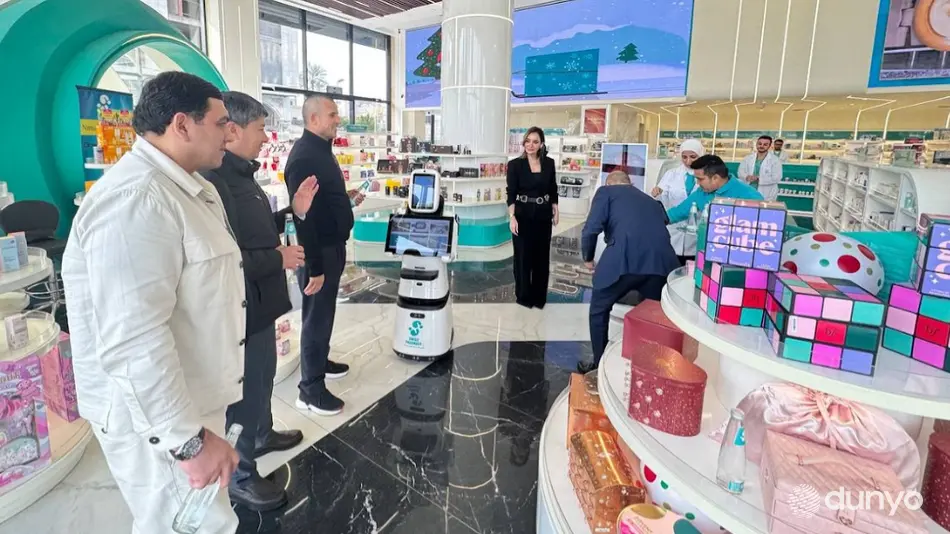
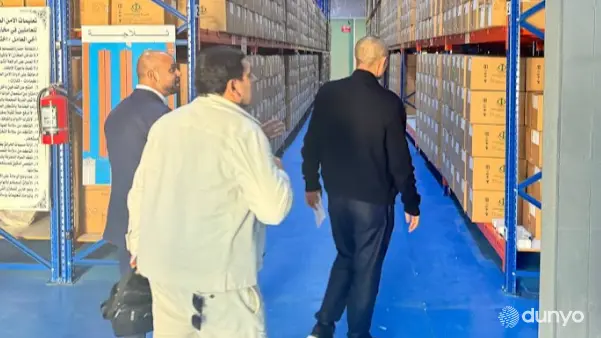
Markets in Iraq for five priority sectors—pharmaceuticals, food products, construction materials, jewelry, and textiles—were studied. Discussions included export procedures, and together with Uzbek entrepreneurs, the systems for importing products into Iraq were analyzed. On-site assessments covered potential export volumes, product registration procedures, and processes for integrating goods into Iraq’s import system.

See all