Uzbekistan and Belarus Customs Authorities Sign Cooperation Memorandum
September 30, 2026. 11:30 • 2 min
• 131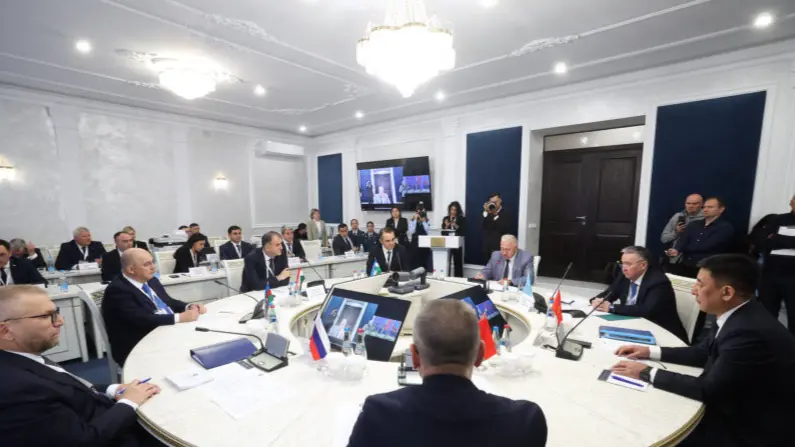
BREST, September 30. /Dunyo IA/. A delegation from the Customs Committee of Uzbekistan, led by Chairman Akmalkhuja Mavlonov, took part in the 83rd meeting of the Council of Heads of Customs Services (CHCS) of the Commonwealth of Independent States (CIS), held in the Belarusian city of Brest, reports Dunyo IA correspondent.
The event, held to mark the 35th anniversary of the establishment of the CIS, served as a key platform for coordinating practical cooperation, facilitating trade procedures and introducing digital technologies across the CIS.
At the CIS Council of Heads of Customs Services meeting, the heads of customs authorities from the Commonwealth countries focused on improving transit systems and introducing modern customs control technologies. Particular attention was paid to the use of artificial intelligence to analyse X-ray images from inspection and screening systems, as well as to regulating cross-border e-commerce.
Following the meeting, a detailed Work Plan for the Council of Heads of Customs Services for 2027 was approved. The plan is aimed at further removing administrative barriers to mutual trade among CIS countries.
Uzbekistan’s participation in the 83rd meeting of the CHCS CIS reaffirmed the country’s commitment to modernizing its customs infrastructure and creating the most favourable conditions for national exporters in international markets.
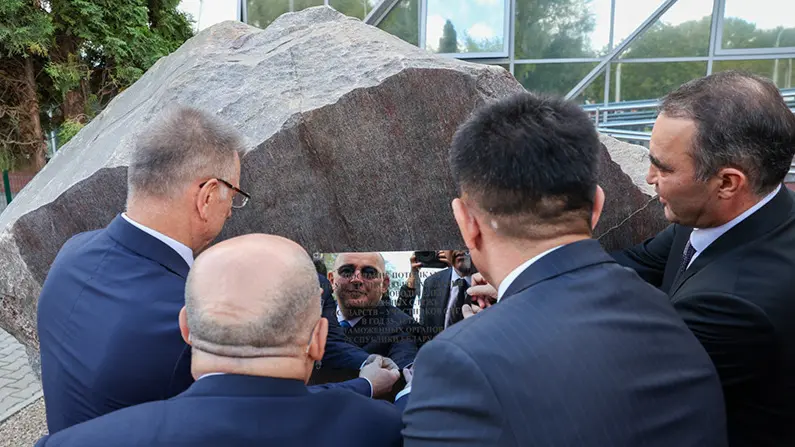
As part of the visit, important bilateral talks were held between Chairman of the Customs Committee of Uzbekistan Akmalkhuja Mavlonov and Chairman of the State Customs Committee of Belarus Vladimir Orlovsky. The heads of the two agencies discussed practical steps to implement agreements reached by the leaders of the two countries on increasing bilateral trade.
The main outcome of the bilateral meeting was the signing of a Memorandum between the Customs Committee of Uzbekistan and the State Customs Committee of Belarus on the exchange of experience and cooperation in customs canine services.
The document opens up new opportunities for joint training of specialists, the exchange of methods for training service dogs, and improving the effectiveness of efforts to combat cross-border crime, including the illegal trafficking of narcotic drugs.
The sides also discussed further integration of digital solutions, particularly the use of electronic systems for certifying the origin of goods to simplify customs administration.

Latest News
See all
Read also
“AJP” Newspaper: Uzbekistan Puts Forward Global Initiatives at 81st UN General Assembly Session
Russian Media highlight Historic Victory of Uzbekistan at the Chess Olympiad
“Global News Pakistan” IA: CIS market opens up broad opportunities for Uzbek Businesses