3,564 proposals, 2,153 substantiated initiatives and 437 performance indicators: The updated formula of “Uzbekistan – 2030”
February 20, 2026. 16:03 • 3 min
• 38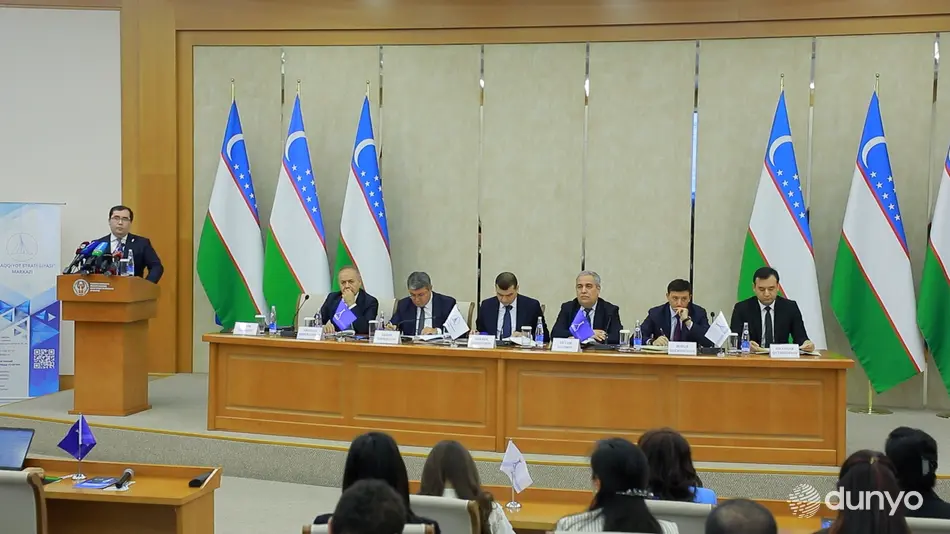
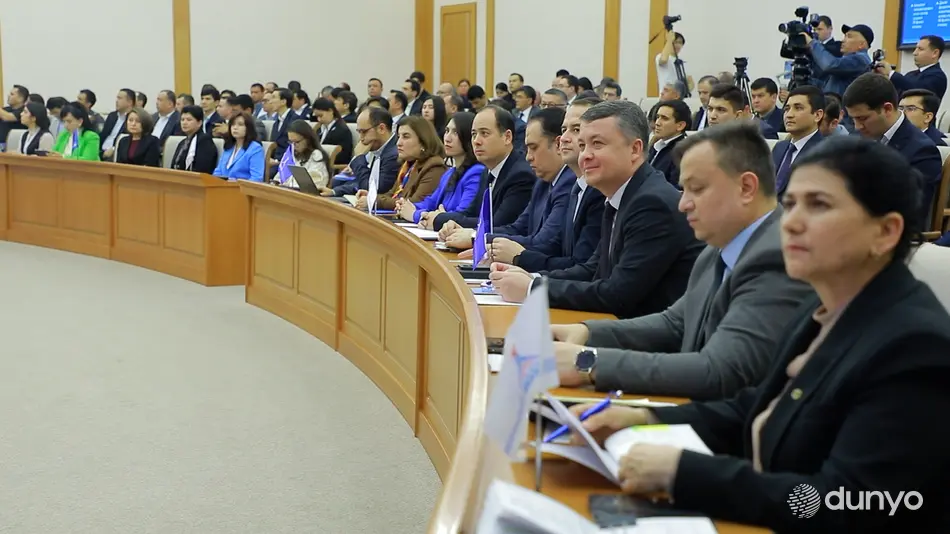
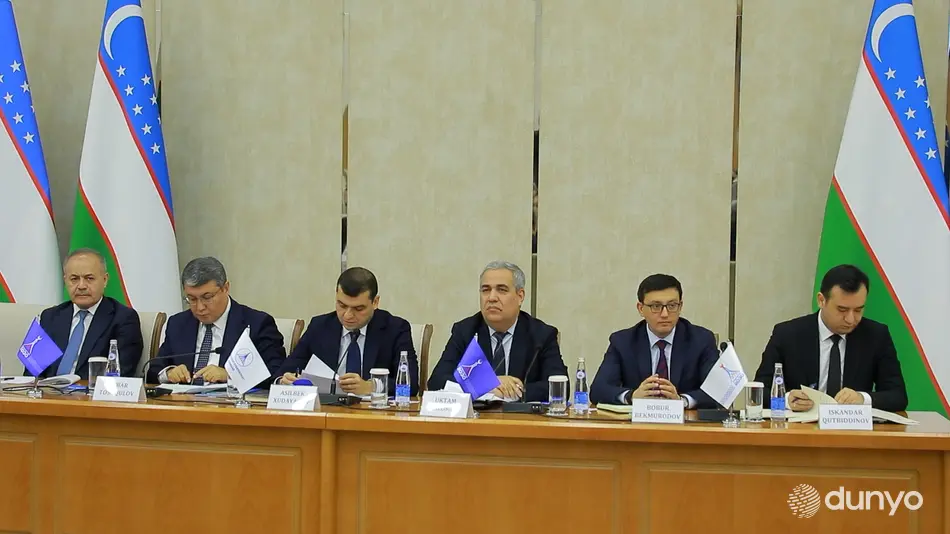
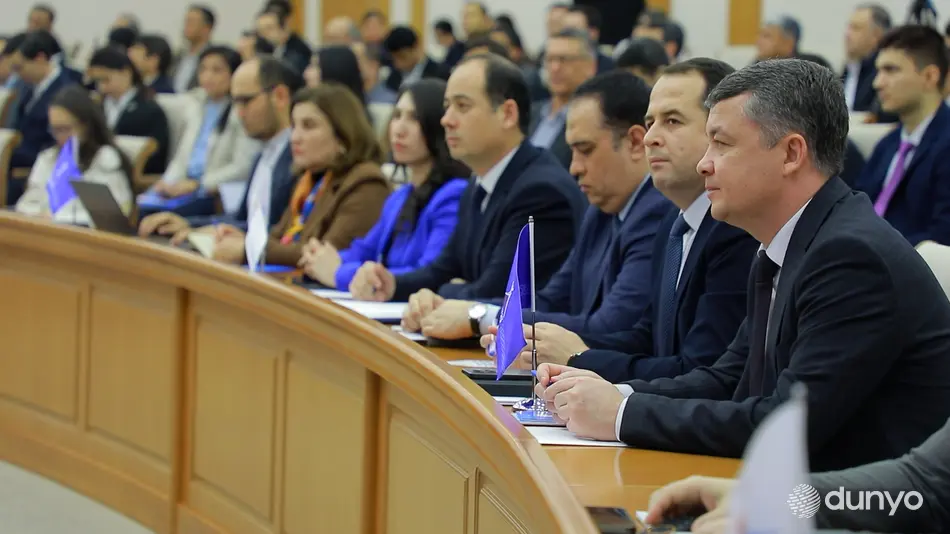
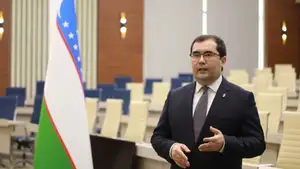
ТASHKENT, February 20. /Dunyo IA/. A press conference dedicated to the newly adopted and revised “Uzbekistan – 2030” Strategy was held at the Academy of Public Administration under the President of Uzbekistan, bringing together senior officials, experts and members of the media, reports Dunyo IA correspondent.
The event was jointly organized by the Development Strategy Center and Agency for Strategic Development and Reforms of Uzbekistan.
Officials presented the outcomes of nationwide public consultations on the Strategy, outlining key proposals received, amendments introduced and the anticipated socio-economic impact of the updated document.
In line with the Address of the President of Uzbekistan, the improved draft of the Strategy was published for broad public discussion on the government portals regulation.gov.uz and uzbekistan2030.uz. Between 30 December 2025 and 28 January 2026, a total of 3,564 comments and proposals were submitted - a figure described as a clear reflection of growing civic engagement.
Of these submissions:
- 2,153 were assessed as substantive proposals and reviewed in coordination with relevant ministries and agencies;
- 751 were repetitive suggestions;
- 340 expressed general support;
- 20 contained critical observations.
Importantly, proposals deemed well-founded were converted into concrete Key Performance Indicators (KPIs), reinforcing the Strategy’s results-based framework.
The most actively discussed priority area - with 1,427 proposals - was “Creating decent conditions for every individual to realize their potential”. According to officials, this underscores the increasing importance society places on human capital development, education, healthcare and social infrastructure.
Other areas that drew significant input included:
- Economic growth (444 proposals),
- Rule of law and public administration (384),
- Security (176),
- Environmental protection (159).
Several indicators incorporated into the revised Strategy were formulated directly on the basis of public feedback. Among the newly established targets:
- Raising permanent employment among higher education graduates to 65%;
- Increasing the share of researchers under the age of 39 to 61%;
- Achieving 100% digitalization of medical institutions;
- Expanding the share of women in managerial positions to 35%, and to 40% in the civil service;
- Increasing green coverage in cities and district centres to 30%;
- Conducting geobotanical surveys across 21 million hectares of pastures and hayfields;
- Transferring at least 30% of notarial services to an online format.
Speakers noted that these benchmarks align closely with global development priorities, including social equity, gender equality, digital transformation and environmental sustainability.
Compared to the previous edition, 240 new indicators have been introduced, while 95 have been revised. Each target is accompanied by annual benchmarks, identified funding sources and a system of personal accountability for implementation - measures officials say significantly enhance the Strategy’s practical enforceability.
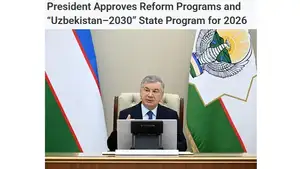
In accordance with the Presidential Decree, a Republican Commission for the implementation of the “Uzbekistan – 2030” Strategy has been established. Nearly 60 government bodies have been assigned clearly defined responsibilities and achieving performance indicators has been designated a priority task for leaders at all levels.
Monitoring will be conducted via a dedicated digital platform, with progress reports submitted every six months to the President, the Cabinet of Ministers and the Republican Commission. Officials described this mechanism as a modern governance model linking strategic planning directly to measurable implementation.
Speakers at the press conference emphasized that “Uzbekistan – 2030” Strategy is not merely a conceptual framework, but a comprehensive, financially and institutionally supported program shaped through broad public participation and equipped with clear monitoring tools.
The event concluded with an extensive question-and-answer session. Representatives of state institutions and media outlets received detailed responses from the leadership of the Agency for Strategic Development and Reforms and Development Strategy Center, providing further clarity on the Strategy’s objectives, implementation phases and oversight mechanisms.

See all