Edgars Rinkēvičs: Uzbekistan is a reliable partner of Latvia in Central Asia
September 23, 2026. 08:10 • 7 min
• 370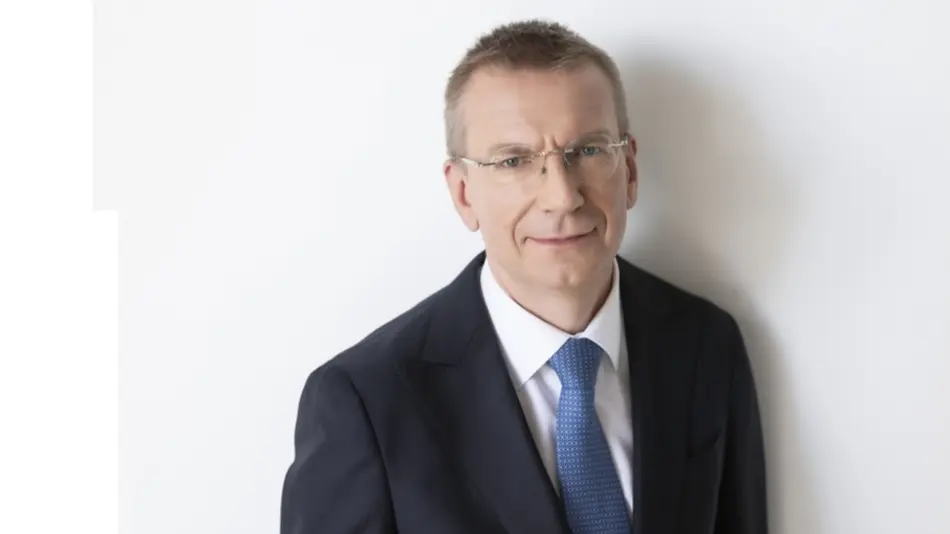
RIGA, September 23. /Dunyo IA/. In an interview with Dunyo IA dedicated to the 35th Anniversary of our country's Independence, President of Latvia Edgars Rinkēvičs congratulated President and the people of Uzbekistan on the anniversary and expressed his best wishes.
- This year, Uzbekistan celebrates the 35th Anniversary of its Independence. Over the past three and a half decades, the country has undergone profound development and transformation. In your opinion, what are the most significant achievements of independent Uzbekistan, and what distinguishes the country most at the present stage of its development?
- First of all, I would like to extend my sincere congratulations to the people of Uzbekistan on the 35th Anniversary of their Independence. This anniversary is an important milestone that offers an opportunity to reflect on Uzbekistan’s remarkable journey and achievements.
For Latvia, which this year also marks 35 years since the restoration of its independence, the value of sovereignty and the freedom to determine one’s own future is deeply understood.
Over the past years, Uzbekistan has established itself as a reliable and forward-looking partner to Latvia. Latvia welcomes Uzbekistan’s efforts to modernize its economy and promote regional cooperation and integration. We value openness, dialogue, and mutually beneficial cooperation.
By combining Uzbekistan’s rich historical and cultural heritage with a strong commitment to modernization, economic reform, and innovation, Uzbekistan has become one of the most dynamic countries in Central Asia.
From Latvia's perspective, Uzbekistan is a reliable partner in Central Asia. Its strategic location and growing economic influence create opportunities for closer business cooperation.
Latvia can be a valuable partner for Uzbek companies seeking to trade with the European Unions’ single market and meet its market requirements. Equally Uzbekistan is a key partner in Central Asia and a platform for expanding business ties across the region.
- Uzbekistan and Latvia have established constructive and steadily developing cooperation. Which joint projects or areas of collaboration do you consider the most successful, and where do you see the greatest potential for further expanding bilateral cooperation?
- Uzbekistan and Latvia have established constructive cooperation with significant untapped potential based on mutual trust, pragmatic dialogue and a shared interest in expanding trade and investment.
For Latvia, a key priority is to expand opportunities for our companies in Uzbekistan, particularly in digital services, financial technologies, pharmaceuticals, food production and agricultural technologies.
We see the strongest partnerships as those that create higher added value, skilled jobs and lasting business opportunities in both countries.
Uzbekistan is Latvia’s second-largest trading partner in Central Asia.
Transport and logistics are important areas for cooperation. Latvia sees opportunities to develop secure and commercially viable transport links with Uzbekistan, including air cargo and higher – value logistics services.
Our priority is to diversify supply chains, support exporters in both countries and ensure compliance with the customs requirements of the European Union.
Latvia can offer Uzbek businesses a reliable and cost-effective gateway to the EU single market, combining logistics expertise with strong understanding of EU market requirements.
Air connectivity between Tashkent and Riga is becoming an increasingly important part of our partnership. Beyond supporting trade and tourism, it is creating new opportunities in cargo transport, aviation services, aircraft maintenance, and regional logistics, generating opportunities for Latvian and Uzbek businesses.
- One of the key priorities of Uzbekistan’s foreign policy is strengthening good-neighbourly relations and promoting regional cooperation in Central Asia. To what extent do you believe this approach addresses today’s global challenges and contributes to stronger partnerships among states?
- Latvia welcomes Uzbekistan's efforts to strengthen regional cooperation and integration in Central Asia.
We have seen that greater dialogue, trust, and practical cooperation among the countries of the region have contributed to increased stability, stronger economic ties, and a more favourable environment for international partnerships.
For Latvia, lasting security and cooperation must rest on respect for the UN Charter, the sovereignty and territorial integrity, and the peaceful settlement of disputes.
For Latvia, a stable and connected Central Asia is important not only from a geopolitical perspective, but also in terms of trade, transport, and economic cooperation. The more closely the countries of the region work together, the greater the opportunities to develop connectivity between Asia and Europe, facilitate trade, and strengthen business and people-to-people contacts.
We view Uzbekistan as an important advocate of this positive regional agenda. By promoting good-neighbourly relations and practical cooperation, Uzbekistan is helping to unlock the region's full potential and reinforce its role as a bridge between Asia and Europe.
This benefits not only Central Asia, but also its partners, such as Latvia and the European Union.
-Uzbekistan attaches particular importance to sustainable development, economic modernization, investment attraction, digital transformation, innovation, education, science, and human capital development. What opportunities do you see for expanding cooperation in these areas in the coming years?
- The priorities you have outlined closely align with Latvia's own development agenda. This creates a strong foundation for expanding our cooperation.
Latvia has built extensive experience in digital governance, e-services, cybersecurity and the development of an innovative and competitive economy. We are ready to share this expertise.
We also see considerable opportunities in sustainable development, “green” technologies, forestry, agriculture, and efficient resource management.
Latvia plays an active role in European development cooperation with Uzbekistan, both through our bilateral assistance and by implementing EU-funded projects.
This reflects the trust placed in Latvian institutions and expertise, which we bring to practical cooperation in digitalization, good governance, agriculture, healthcare and women’s empowerment.
In my view, the most effective approach would be to build on existing cooperation and identify a small number of joint priorities with clear objectives, responsible partners and measurable results.
These should support mutually beneficial partnerships between institutions and businesses of both countries.
Drawing on its European experience, technological expertise and knowledge of EU market requirements, Latvia is well placed to support sustainable growth, innovation and long-term prosperity in Uzbekistan.
- Over the past decade of reforms, Uzbekistan has launched a number of international and regional initiatives. In your view, which of these initiatives will have the greatest long-term significance not only for Uzbekistan, but also for Central Asia and the international community as a whole?
- Uzbekistan’s efforts to promote regional dialogue and practical cooperation are particularly valuable in addressing shared challenges.
In my view, the initiatives that will have the greatest long-term significance are those aimed at strengthening connectivity, investing in human capital, and promoting sustainable development.
Uzbekistan's efforts to improve transport links, modernize logistics corridors, and strengthen regional connectivity are creating new opportunities not only for Central Asia, but also for partners across Europe and Asia.
Equally important is Uzbekistan's commitment to addressing environmental challenges and adapting to the impact of climate change.
Country's large-scale afforestation and greening efforts, including initiatives to restore degraded land and expand green areas, are particularly noteworthy.
Latvia, where forests cover more than half of the national territory, has extensive expertise in sustainable forest management, afforestation, and biodiversity conservation.
We would be glad to share our knowledge, experience and practical support with Uzbekistan.
- Looking ahead, how do you envision Uzbekistan in the next 10–15 years? In your view, what factors will play the most important role in further enhancing the country’s international standing, ensuring sustainable development, and promoting its continued prosperity?
- I believe Uzbekistan has every opportunity to become an increasingly important center for trade and innovation in Central Asia.
Its strategic location, reform agenda, and growing role in regional cooperation and integration provide a strong foundation for future success.
From our own experience, the key is to continue investing in connectivity, human capital, innovation and sustainable development.
Continued reforms that strengthen the rule of law, transparent public administration and a predictable business environment will be essential to turning Uzbekistan’s considerable potential into lasting prosperity.
- What message or wishes would you like to convey to the leadership and the people of Uzbekistan? What are your expectations for the country’s continued development in the years ahead?
- On behalf of the people of Latvia and on my own behalf, I extend my heartfelt congratulations to His Excellency Shavkat Mirziyoyev, President of Uzbekistan and the people of Uzbekistan on the 35th Anniversary of the country's Independence.
I wish the people of Uzbekistan continued peace, prosperity, and success.
Latvia looks forward to further deepening our partnership and working together to create new opportunities for our businesses, our citizens and future generations.
May our friendship grow, and may the people of Uzbekistan enjoy well-being, peace and continued prosperity for many years to come.
Once again, my sincere congratulations on this important milestone!

Latest News
See all
Read also
Won Do Yeon: The state visit of the President of Uzbekistan to the Republic of Korea is of special significance
Hassan Ibrahim: Global Conference of Young Parliamentarians in Samarkand was highly successful