World Cup 2026: Historic Format, Fierce Competition and Record-Breaking Attendance
June 26, 2026. 18:30 • 5 min
• 104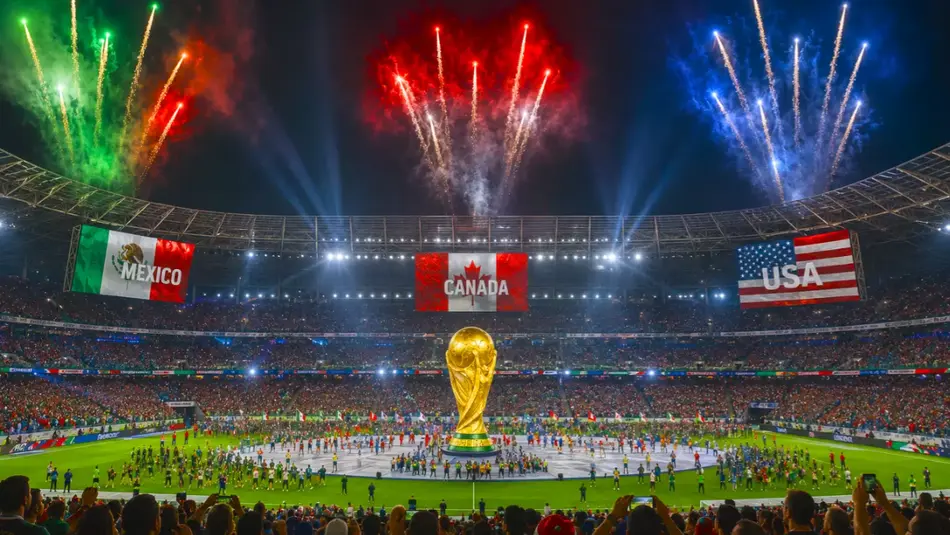
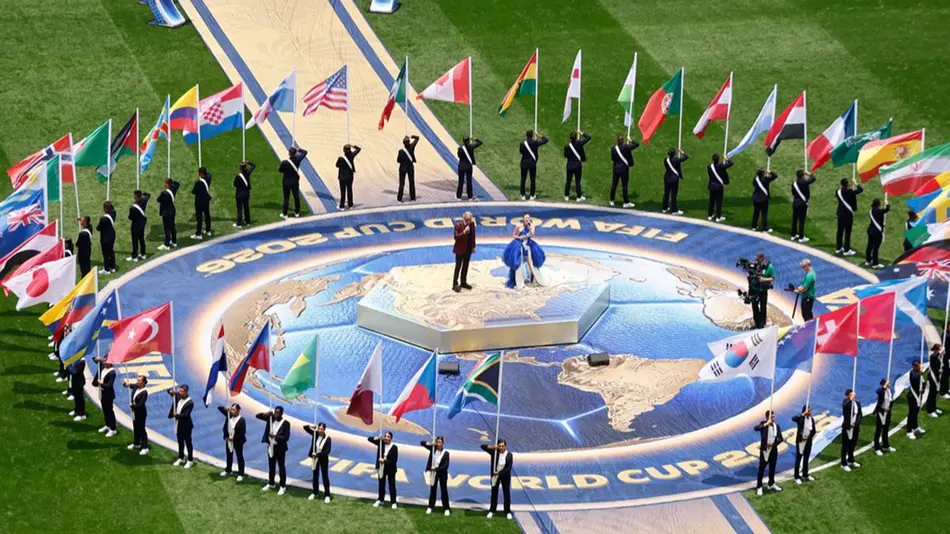

TASHKENT, June 26. /Dunyo IA/. Attention of football fans around the world is currently focused on the FIFA World Cup being held across stadiums in the United States, Canada and Mexico, reports Dunyo IA correspondent.
The 2026 FIFA World Cup has ushered in a completely new era in the history of football. For the first time, the tournament features 48 national teams, setting it apart from previous World Cups not only in format but also in scale, attendance and the level of competition.
Under the new format, a total of 104 matches will be played – nearly 40 more than at the 2022 FIFA World Cup in Qatar. The tournament will last 39 days and has also become the first World Cup ever to be jointly hosted by three countries.
The opening stages of the tournament have already demonstrated the success of the expanded format. Alongside traditional football powerhouses, several nations that previously received little international attention have delivered impressive performances during the group stage, highlighting the growing competitiveness of world football and the narrowing gap between continents.
The new format has also transformed the knockout stage. For the first time, the tournament features a Round of 32, with 32 teams advancing. In addition to the group winners and runners-up, the best third-placed teams also qualify for the knockout rounds, keeping their title hopes alive.
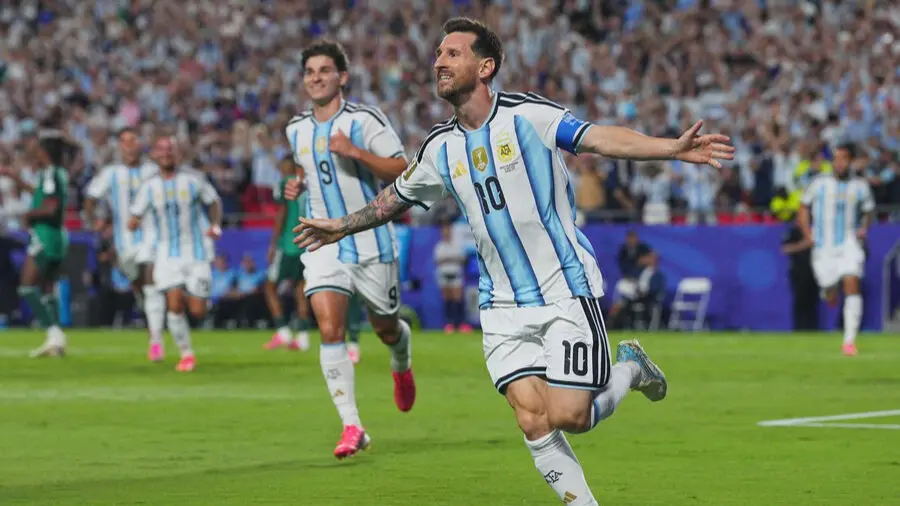
The 2026 World Cup has already produced several remarkable individual achievements. Argentina captain Lionel Messi became the first footballer in history to appear in six FIFA World Cups. He has also become the tournament’s all-time leading goalscorer, with 18 World Cup goals to date.
Portugal forward Cristiano Ronaldo, meanwhile, became the first player ever to score in six consecutive FIFA World Cups. The achievement underlines his remarkable consistency and longevity despite being over 40 years old.
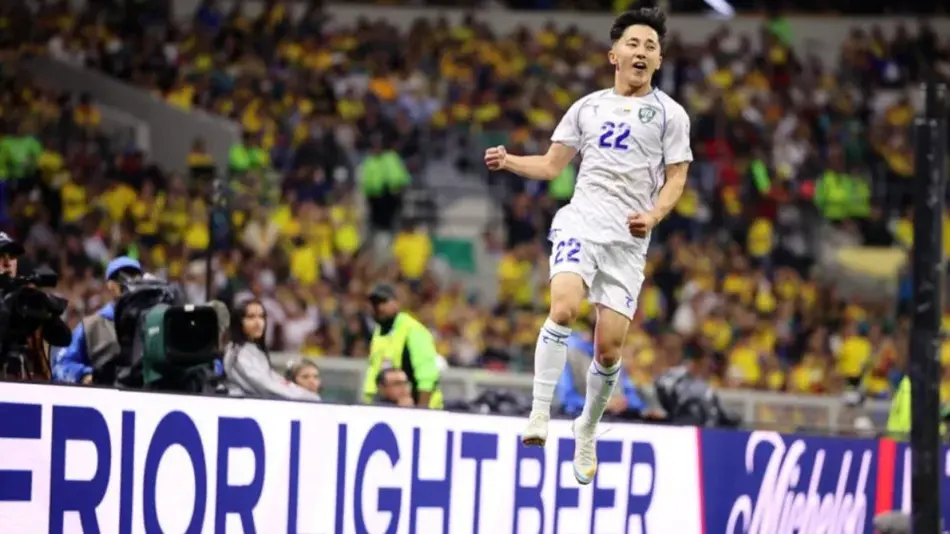
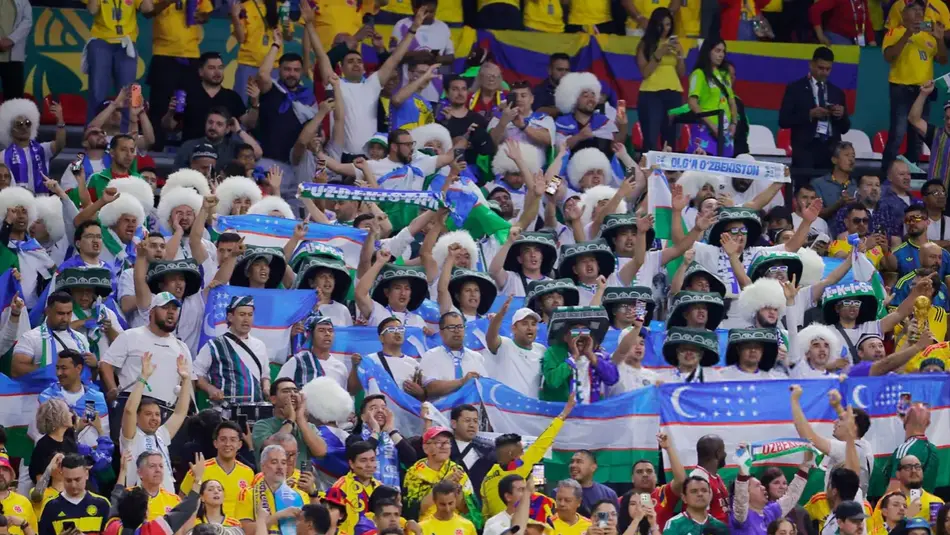
For Uzbekistan football, the 2026 World Cup has also been historic. Abbosbek Fayzullayev scored a header against Colombia, becoming the shortest player (167 cm) to score with a header in a FIFA World Cup in the 21st century.
Mexico’s Guillermo Ochoa became the first goalkeeper in history to be included in six World Cup squads. Veteran stars Luka Modrić, Manuel Neuer and Yuto Nagatomo are also making their fifth World Cup appearances, once again demonstrating their remarkable longevity at the highest level.
The 2026 World Cup has already become the most attended tournament in football history. According to available figures, more than 3.6 million fans attended matches across the United States, Canada and Mexico within the first two weeks of the competition.
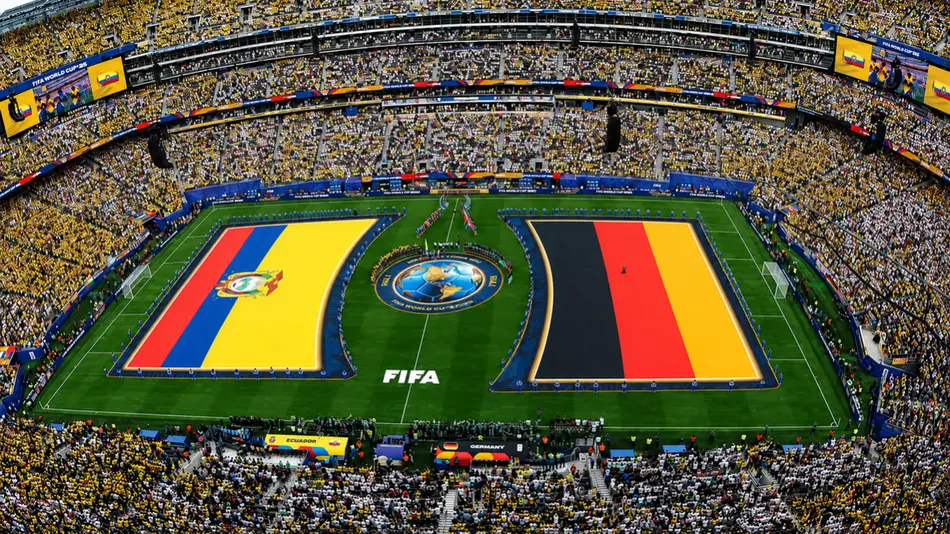
According to FIFA, following the Germany–Ecuador and Côte d’Ivoire–Curaçao matches, total attendance reached 3,605,357 spectators, surpassing the previous record of 3,587,538 set during the 1994 FIFA World Cup in the United States.
The figures demonstrate that the 2026 World Cup has become not only a major sporting event but also a global cultural phenomenon. Although the tournament has not yet fully entered the Round of 32, it has already secured its place in history by setting a new attendance record.
Experts attribute the unprecedented turnout primarily to the tournament's expansion from 32 to 48 teams. The increased number of group-stage matches has allowed more nations from different regions to participate, significantly boosting global interest in football.
Another key factor has been the use of modern, high-capacity stadiums in the United States. NFL venues can accommodate between 60,000 and 80,000 spectators, while MetLife Stadium in New Jersey, with a capacity of 82,500, is one of the tournament's largest venues. The Germany–Ecuador match alone attracted 80,663 spectators, making a significant contribution to the overall attendance record.
By comparison, stadiums at the 2022 FIFA World Cup in Qatar had an average capacity of around 45,000 seats, making the attendance levels at the 2026 tournament substantially higher.
The current tournament has also set a new benchmark with an average stadium occupancy rate of 99.7 percent, reflecting the exceptionally strong global demand for World Cup football.
The 2026 edition is also on course to become one of the highest-scoring World Cups in history. During the group stage alone, the previous tournament record of 172 goals, set in Qatar in 2022, was surpassed, with the total already exceeding 173 goals.
Several factors explain the high scoring rate. On average, between 2.9 and 3.0 goals have been scored per match – the highest average recorded since the 1970 FIFA World Cup – indicating an increasingly open and attacking style of play.
The race for the Golden Boot has also intensified. Several players have quickly emerged as the tournament’s leading scorers and biggest stars.
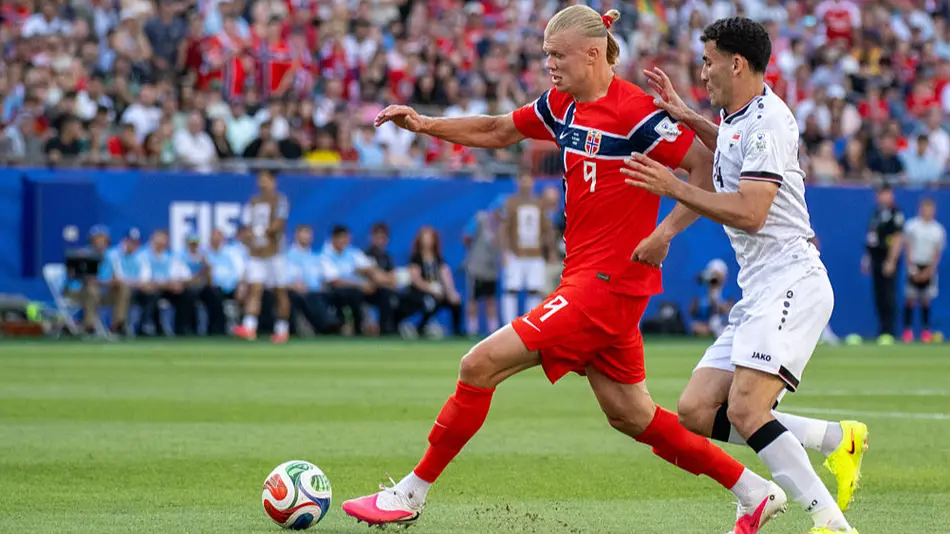
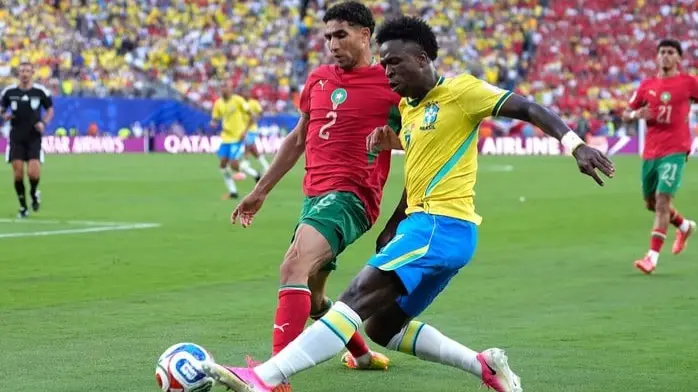
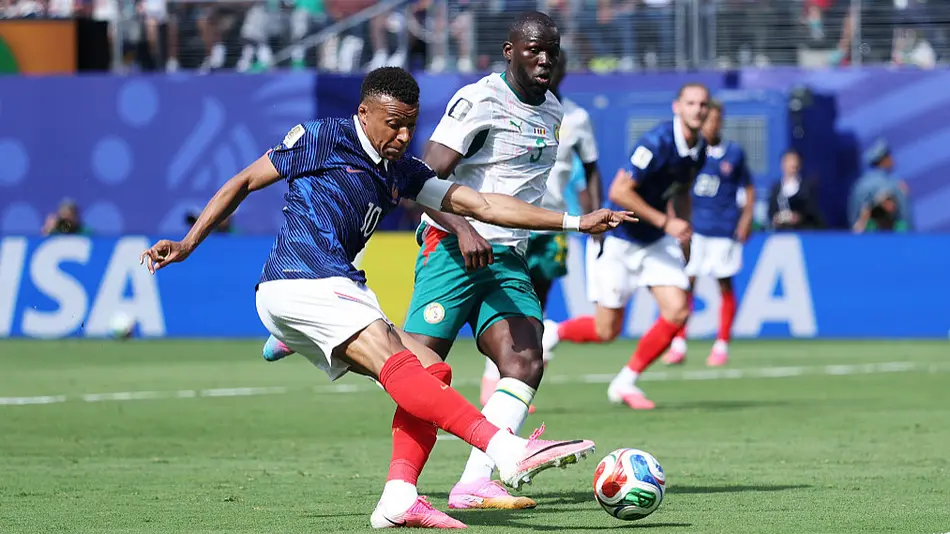
At present, Argentina captain Lionel Messi tops the scoring chart, having scored all five of Argentina’s goals in two matches, including one hat-trick and one brace. He is followed by Norway’s Erling Haaland (4 goals), France’s Kylian Mbappé (4) and Brazil’s Vinícius Júnior (3), who remain among the leading contenders for the Golden Boot.
The standout confirmed matchups include Netherlands vs Morocco, Brazil vs Japan, South Africa vs Canada, and the United States vs Bosnia and Herzegovina. These fixtures promise strong competition not only from Europe's and South America's traditional football giants but also from teams representing Africa, Asia and North America.
Meanwhile, national teams such as Germany, Switzerland, Argentina and Mexico are still awaiting confirmation of their Round of 32 opponents. As in every World Cup, the knockout stage is expected to produce drama and unexpected surprises, with new “dark horse” teams likely to emerge.

Latest News



See all
Read also
National Football Team of Uzbekistan maintains prospects for advancing to the World Cup Knockout Stage
Compatriots Abroad Unite in Support of Uzbekistan National Team at FIFA World Cup 2026