NATO Summit in Ankara: Support for Ukraine, Syria Decision and U.S. Threat to Halt Trade with Spain
July 09, 2026. 16:00 • 4 min
• 98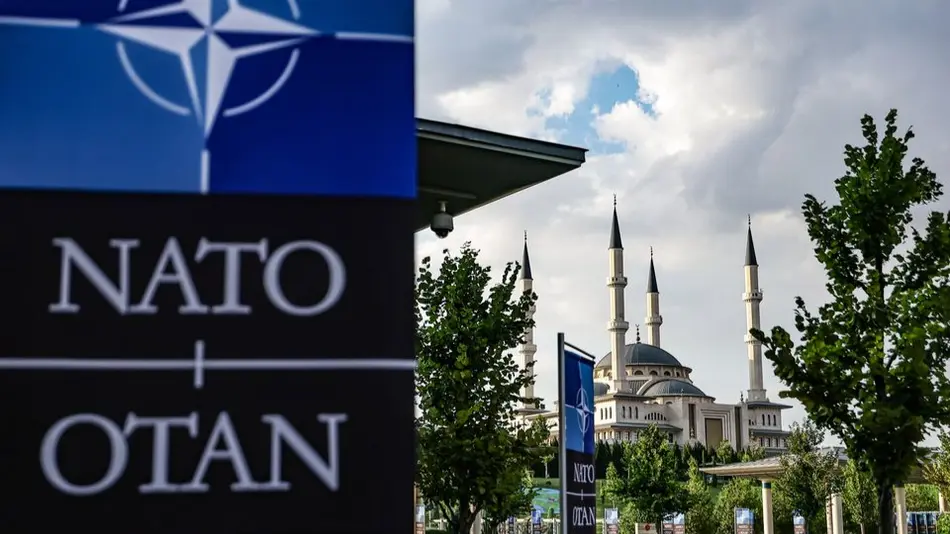
ANKARA, July 9. /Dunyo IA/. The NATO summit in Ankara concluded with a display of alliance unity, although significant differences between the United States and its European allies remained behind the official statements, reports Dunyo IA correspondent.
The main topics of the meeting included Washington’s demands for higher defence spending, rising tensions surrounding the U.S.-Iran conflict, and new measures to support Ukraine.
NATO Secretary General Mark Rutte said the alliance remains strong because its members are able to openly discuss disagreements. According to him, frank debate makes NATO stronger than attempts to conceal differences for the sake of apparent unity.
Ahead of the summit, NATO leadership sought to ensure U.S. President Donald Trump’s participation and demonstrate alliance cohesion. The first day focused on increasing defence spending, expanding arms production and implementing previous summit decisions, including the commitment to raise defence expenditures to 5% of GDP.
After Donald Trump’s arrival, attention shifted to U.S. relations with its allies. The American president once again criticized partners for insufficient defence spending, expressed dissatisfaction with NATO’s position on the conflict with Iran and reiterated his claims regarding Greenland.
Prime Minister of Denmark Mette Frederiksen responded by saying that Denmark will “defend every inch of NATO, including our own territory,” stressing that “Greenland is, of course, not for sale.”
On the sidelines of the summit, Donald Trump called Spain a “terrible partner” in the alliance and threatened to cut trade ties with Madrid over its refusal to support NATO’s new defence spending target. Later, however, he said Spain had “restored its standing” and agreed to increase its financial contribution.
Despite the public disagreements, the closed-door meeting of allied leaders proceeded calmly. According to BBC sources, Donald Trump assured allies that the United States has no intention of leaving NATO. Following the talks, he described the alliance’s internal relations with one word: “unity.”
The summit’s most significant practical outcome was additional support for Ukraine. President Volodymyr Zelensky arrived in Ankara seeking long-term security assistance and stronger air defence capabilities.
Allies agreed to provide Ukraine with about $70 billion in military assistance in 2026 and maintain a comparable level of support the following year, bringing total assistance over two years to at least $140 billion.
One of the key outcomes of the meeting between Volodymyr Zelensky and Donald Trump was Washington’s pledge to grant Ukraine a license to produce interceptor missiles for Patriot air defence systems. Donald Trump said the move would enable Kyiv to manufacture the necessary air defence missiles domestically.
The U.S. president also said Russia wants to end the war as soon as possible. Speaking about a possible meeting between the Russian and Ukrainian leaders, Trump said he had discussed the issue with Vladimir Putin, who again suggested that Zelensky come to Moscow. Asked by Trump whether he would travel to Russia, Zelensky replied: “It’s difficult in Moscow right now – there are a lot of Ukrainian drones in the air.”
In the summit’s final declaration, Russia was described as a source of a “long-term threat to Euro-Atlantic security and stability.” However, unlike previous NATO documents, Moscow was no longer characterized as the alliance’s “most significant and direct threat.”
Alongside the summit, Donald Trump met with Syrian leader Ahmed al-Sharaa and announced his decision to remove Syria from the U.S. list of state sponsors of terrorism. The decision is subject to congressional review and, according to the U.S. president, could pave the way for investment in Syria’s reconstruction.
The summit ultimately demonstrated NATO’s formal unity while highlighting the persistent differences between Washington and its European allies. Balancing U.S. demands with the alliance's broader strategic objectives remains one of NATO’s key challenges.

Latest News

See all
Read also

U.S. Launches Second Day of Strikes on Iran After Donald Trump Declares Agreement “Over”