Tedros Adhanom Ghebreyesus: Uzbekistan has embarked on the implementation of a truly large-scale and ambitious programme to transform its healthcare system
April 22, 2026. 09:00 • 8 min
• 283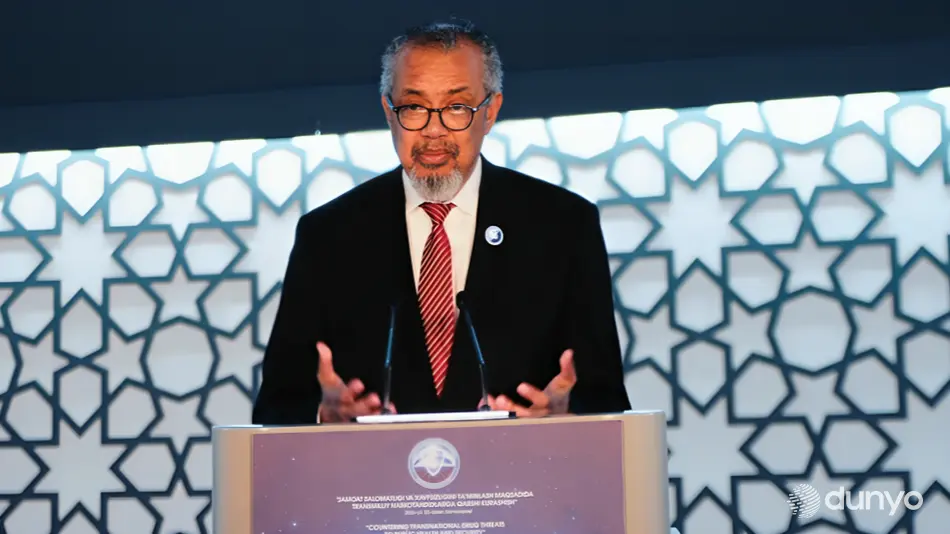
TASHKENT, April 22. /Dunyo IA/. Director-General of the World Health Organization (WHO) Tedros Adhanom Ghebreyesus, answered questions from a Dunyo IA correspondent:
- How would you assess the scope and outcomes of recent healthcare reforms in Uzbekistan? Which of these reforms do you consider most impactful in improving the quality and accessibility of medical services for the population?
- Uzbekistan has embarked on a highly ambitious process of health system transformation. What stands out is the scale of the reforms and the clarity of their strategic direction.
Uzbekistan is moving from a hospital-centred system toward strong, people-centred primary health care as the foundation for Universal Health Coverage (UHC). This shift brings care closer to communities, supports healthier lives, and ensures that services are more equitable and accessible.
From the new innovations introduced at the Syrdarya demonstration platform to the structural reforms set out in last year’s Presidential Decree No 88, the health system is undergoing a transformation that is delivering tangible benefits for patients.
Fundamental changes in service delivery focused on prevention and disease management, new health financing arrangements, and efforts to expand digitalization. These investments are already improving access, efficiency, and transparency in health care. At the same time, efforts to support health workers, the backbone of the health system, are enhancing incentives, improving working conditions, and modernizing medical education, ensuring that reforms are implemented effectively and sustainably.
Strong primary health care is a smart and investment for a country to improve the health of its people. Uzbekistan is moving in this direction, ensuring that every citizen, can access quality care when they need it regardless of where they live. By building this strong foundation, hospitals can operate more efficiently and effectively, focusing on advanced treatments and specialized interventions, while primary care keeps communities healthier and reduces unnecessary hospital demand.
Of course, such transformation takes time. The next phase will be critical to ensure that reforms are implemented with consistent quality across all regions and a strong focus on equity and continuous learning. I encourage continued commitment and investment in improving access through state health insurance so all people can have access to health, and in digitalization of the health sector. Both areas are challenging but critical for the delivery of health for all. WHO stands ready to continue supporting Uzbekistan in translating these reforms into measurable improvements in health outcomes and patient experience.
- How would you characterize the value and unique features of cooperation between Uzbekistan and WHO? What key achievements would you highlight?
- WHO has a strong presence in the country, enabling us to provide technical advice, share global best practices, and work closely with national partners to adapt them to the local context. Through side by side collaboration with national institutions, this partnership is anchored in a shared vision of achieving Universal Health Coverage to ensure that people in Uzbekistan, wherever they live, can access essential health services without financial hardship, across the full continuum of care from prevention to palliative services.
A strong example of this collaboration can be seen in the ongoing transformation of primary health care. WHO has supported Uzbekistan throughout this journey - from early policy design through implementation and evaluation.
The initial phase of primary health care reform focused on establishing multidisciplinary care teams, expanding the role of nurses to include pre doctor consultations and triage, and strengthening the role of patronage nurses within communities. At the same time, the prevention and management of noncommunicable diseases have become more proactive and people centred, guided by WHO protocols and clinical guidelines.
We therefore welcome the new Presidential Decree No. 88, which builds on this experience and reaffirms the Government’s commitment to further strengthening the primary health care system.
Another key area of collaboration is health security and emergency preparedness. Uzbekistan has taken an important step forward with the adoption of its National Action Plan for Health Security, developed with the engagement of more than 40 national and international partners. This reflects strong multisectoral leadership and a shared commitment to coordinated preparedness across sectors. Pandemic resilience remains a global priority, and Uzbekistan is advancing this agenda through the One Health and All Hazards approach. By bringing together experts from human health, veterinary, and environmental fields, Uzbekistan is creating a powerful platform for alignment, foresight, and collective action.
WHO is proud to stand alongside Uzbekistan in strengthening technical capacity at every level of the health system, from primary healthcare providers and laboratory specialists to hospital managers and national leaders. Together, we are building a system that is better equipped to prevent disease, detect threats early, and respond effectively to emergencies. Just as importantly, we are reinforcing leadership and governance for health, ensuring that resilience is not only about systems but also about vision and accountability.
Uzbekistan’s commitment to health security is not only protecting its own people, it is contributing to regional and global resilience. This is the spirit of solidarity that WHO champions, and it is the foundation of a safer and healthier future for all.
In Uzbekistan, the burden of cancer is significant, with a profound impact on population health and national development, contributing to reduced productivity, workforce losses, and broader economic strain.
WHO commends the Government of the Republic of Uzbekistan for its strong political commitment to addressing this challenge, demonstrated through the mobilization of an Islamic Development Bank loan to expand and strengthen oncology services. Through this partnership, WHO continues to support the Ministry of Health with evidence based technical assistance to improve access to safe, high quality cancer care. In addition, Uzbekistan’s engagement with WHO and St. Jude Children’s Research Hospital in the WHO Global Initiative for Childhood Cancer and the Global Platform for Access to Childhood Cancer Medicines reflects the country’s growing leadership in advancing global health equity and improving outcomes for children with cancer.
Given Uzbekistan’s strong commitment to cancer control services, WHO encourages a comprehensive approach to cancer care that extends beyond tertiary level services. Strengthening primary health care with trained and supported health workers is essential for prevention, screening, early detection, referral, and rehabilitation of cancer.
- What priority areas for further cooperation between WHO and Uzbekistan you foresee in the medium term, including potential new initiatives and priorities?
- Looking ahead, WHO sees strong opportunities to deepen cooperation with Uzbekistan across several key areas.
First, continuing to scale up primary health care reforms, while ensuring quality and continuity of care. This includes strengthening referral systems, expanding team-based care, and improving services for people living with chronic conditions.
Second, further advancing health financing reforms to reduce out-of-pocket payments and ensure equitable access to services, through more efficient and strategic use of resources.
Third, continued investment in the health workforce and medical education will be key to sustaining reforms, particularly in strengthening family medicine, nursing, and rural retention.
In addition, there are important opportunities to expand collaboration in areas such as mental health, prevention of noncommunicable diseases, climate and health, and the health systems role in preventing and responding to GBV, ensuring that services are more integrated and people-centred.
Uzbekistan is also demonstrating strong leadership in cancer control, including through the development of a new National Cancer Control Plan, modernization of cancer registries, and the introduction of advanced clinical protocols with support from international partners.
Health systems are strongest when they prevent disease, not just treat it and that is the direction we are advancing together.
Together, these efforts reflect a shift toward a more comprehensive, evidence-based health system, and WHO will continue to support the Government in accelerating this progress.
- What are your expectations for your upcoming visit to Uzbekistan?
- It will be an important opportunity to engage with national leadership and partners, to review progress and discuss the next steps in advancing health system reforms.
I am particularly keen to see first-hand how primary health care reforms are being implemented at the community level, and to hear directly from health workers and patients about their experiences.
This visit is an opportunity to further strengthen our partnership and to align on priorities for the coming years, including primary health care, health workforce, health financing, NCDs prevention and control, and other key areas.
More importantly, this visit will reinforce our shared commitment to ensuring that all people in Uzbekistan have access to quality, affordable health services, and to building a healthier future for all.
Uzbekistan is making strong progress in cancer control and is an aspiring regional and global leader in the field. I hope my visit will be an opportunity to see these developments firsthand.
I was honored to join the First Lady of Uzbekistan in co-hosting a landmark event on childhood cancer control during the United Nations General Assembly last September, and WHO looks forward to continuing its strong collaboration with Uzbekistan and the First Lady to build on the country’s progress.

See all