Free Economic Zone “Porto-Franco” established at “Navoi” Airport to attract investment and international companies
February 13, 2026. 16:23 • 2 min
• 64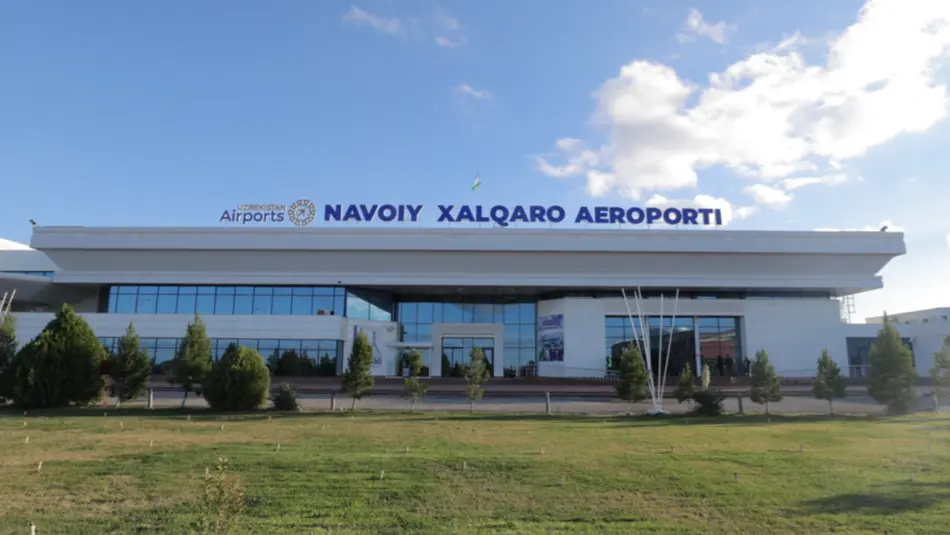
ТASHKENT, February 15. /Dunyo IA/. President of Uzbekistan, Shavkat Mirziyoyev, has signed a decree aimed at enhancing the operational efficiency of “Navoi” International Airport, outlining its transformation into an international multimodal logistics hub, reports Dunyo IA correspondent.
According to the decree, by 2030, the number of flights at “Navoi” International Airport is planned to increase 2.3 times, reaching 7,000 flights per year. Passenger traffic is expected to reach 150,000 people, while cargo turnover is projected at 45,000 tons annually. By 2026, airport aims to operate three weekly flights dedicated to postal, courier and commercial cargo from the United Arab Emirates, Türkiye and China.
By the end of 2028, a dedicated Aircraft Maintenance, Repair and Painting (MRO) center will be established on the airport grounds. Plans also include the modernization of the existing fuel storage facility and cargo terminal infrastructure, with the potential construction of 10,000-ton fuel tanks and a new 16,000-square-meter cargo terminal as demand grows.
The decree also approves the implementation of project management principles, with “Navoi” International Airport LLC” being removed from the centralized operational management system of Uzbekistan Airports.
The document also provides for the establishment of a free economic zone and a free customs zone under the “porto-franco” regime within the airport's territory. This framework will permit the formation of companies engaged in the import, storage and processing of goods without the payment of customs duties, as well as the provision of logistical, commercial, financial and aviation services.
Previously, the President reviewed a presentation on improving airport efficiency and transforming the aviation industry. It was noted that the capacity of Navoi Airport is not being fully utilized, leading to the decision to reinvest the airport's revenues into infrastructure modernization, the expansion of fuel storage tanks, and the development of aircraft maintenance services."

See all