View from Austria: Uzbekistan revives its role as a crossroads of civilizations through a new format of cooperation with South Korea
September 20, 2026. 16:00 • 3 min
• 136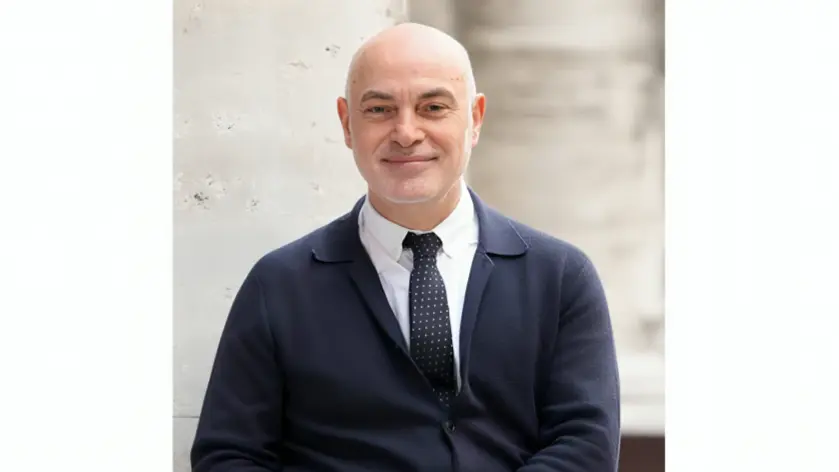
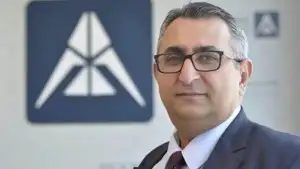
VIENNA, September 20. /Dunyo IA/. Professor of the University of Vienna, Expert on Eurasia Dr. Ednan Aslan shared with Dunyo IA his views on the outcomes of the state visit of the President of Uzbekistan to South Korea, held on September 13–16:
— The summit of the leaders of the Central Asian countries and South Korea held in Seoul has become an important indicator of global changes in Eurasian geoeconomics. The meeting between President of Uzbekistan Shavkat Mirziyoyev and President of the Republic of Korea Lee Jae Myung, his presentation of the concept of an ‘accelerated development partnership,’ as well as active negotiations with South Korean businesses underscore that Tashkent is confidently emerging as the region’s key economic and innovation driver.
From an Austrian, and more broadly European, perspective, Central Asia is today experiencing a historic revival of its strategic importance. In the past, during the era of the Great Silk Road, Uzbekistan’s legendary cities – Samarkand, Bukhara, Khiva and Tashkent – served not merely as trade hubs, but as great crossroads of civilizations where East and West met, science flourished, groundbreaking ideas emerged, and global trade took shape.
Today, we are witnessing Uzbekistan revive this historic mission at an entirely new technological level. By connecting advanced East Asian technologies with Europe’s economic interests, Tashkent is once again becoming an intellectual and economic bridge between East and West.
Western researchers see Europe and South Korea simultaneously seeking ways to diversify supply chains, gain access to critical raw materials, and develop new transport corridors such as the Middle Corridor. In this context, the experience of South Korean giants such as Kia Motors, Hyundai and others in localizing high-tech production in Uzbekistan serves as a compelling signal to European businesses.
Uzbekistan, which enjoys the status of a special strategic partner of South Korea, demonstrates how a country at the heart of Eurasia can become a dynamic hub for artificial intelligence, green energy, microelectronics and the processing of critical minerals.
For Austria – a country whose economic model has historically been built on engineering, technology exports and its role as a logistical link within Europe – Uzbekistan’s course opens up enormous prospects. Tashkent’s pragmatic policy of diversifying its partnerships not only strengthens stability in the region but also transforms modern Uzbekistan into a new center for science, innovation and international trade.

Latest News

See all
Read also

View from Moscow: Visit of the President of Uzbekistan to Seoul confirms Tashkent's course toward expanding the circle of technological and investment partners
View from Ankara: An expanding mutual interest takes shape between Uzbekistan and South Korea