View from Poland: Consistently implemented policy of Uzbekistan of diversification and openness contributes to the formation of new connectivity channels
August 27, 2026. 12:00 • 4 min
• 126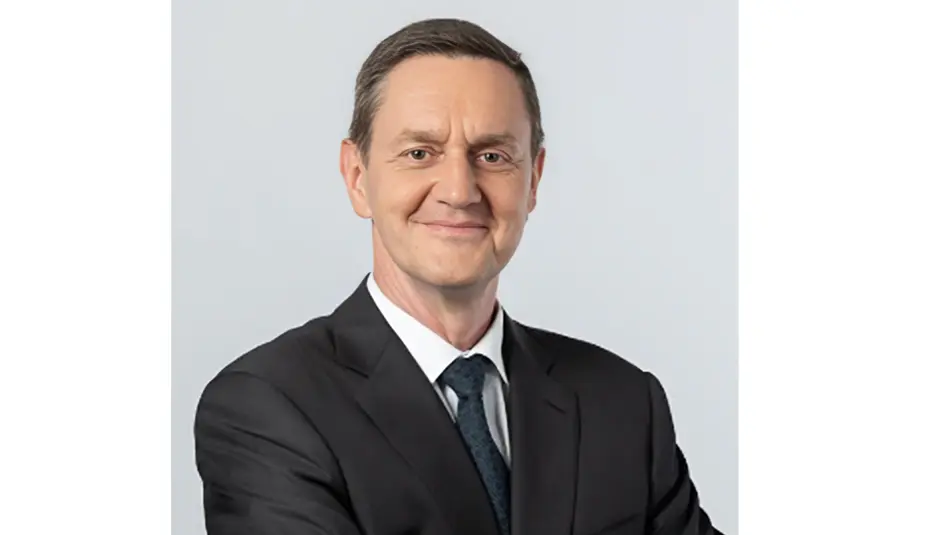
WARSAW, August 27. /Dunyo IA/. Piotr Opaliński, Polish diplomat and orientalist, former Ambassador of Poland to Pakistan and Head of the “Asian” Observatory at the Centre for International Relations (CSM), has commented for Dunyo IA on the outcomes of the state visit of the President of Azerbaijan Ilham Aliyev, to Uzbekistan on August 23-24th:
- For Uzbekistan, the development of relations with Azerbaijan fits into a broader strategy of diversifying external economic and transport ties, expanding access to global markets, and strengthening regional connectivity. The policy of President Shavkat Mirziyoyev, aimed at developing an open economy, expanding international cooperation, and forming new transport and economic links, acquires a concrete practical dimension in relations with Azerbaijan.
This is not only about developing new routes. Uzbekistan and Azerbaijan are shaping a complementary strategic partnership encompassing the economy, transport, energy, investments and humanitarian cooperation. For Tashkent, Azerbaijan represents an important partner in expanding ties with the South Caucasus and European markets, while for Baku, cooperation with Uzbekistan opens additional opportunities to strengthen its economic presence in Central Asia.
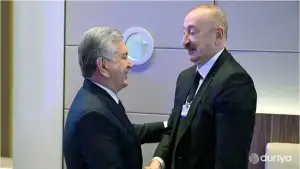
Main political outcome of the visit was the signing of the Treaty on Eternal Friendship between the two states. President Shavkat Mirziyoyev called this document the primary result of the summit, emphasizing its significance for the further deepening of cooperation and the formation of a shared future. Concurrently, the third meeting of the Supreme Interstate Council was held. During the visit, a package of bilateral documents in the fields of trade, investment, culture, tourism, pensions and inter-agency cooperation was also signed.
Economic dimension of this rapprochement is becoming increasingly prominent. In July 2025, the sides adopted a Program to increase bilateral trade turnover to $1 billion by 2030. During the current visit, a new program was adopted, outlining concrete measures to achieve this objective.
Capital of the Azerbaijan-Uzbekistan Investment Company stands at $500 million. During the current meeting of the Supreme Interstate Council, it was noted that approximately $160 million of these funds have already been allocated to projects.
Special attention during the negotiations was paid to the development of the Trans-Caspian International Transport Route, known as the Middle Corridor. For Uzbekistan, the significance of the Middle Corridor lies not only in the opportunity to expand trade with Europe. Its broader role consists in diversifying external economic ties and creating additional options for access to international markets. For Tashkent, this is less about replacing existing routes and more about expanding the number of available transport and trade options.
In this context, the China–Kyrgyzstan–Uzbekistan railway is becoming a potentially vital element. Its development could provide a more direct connection between Uzbekistan and the Chinese transport network, and in the future, create opportunities for integration with the Trans-Caspian route.
Energy cooperation is becoming an equally important direction. For Uzbekistan, the development of ties in the field of green energy with Azerbaijan and Kazakhstan opens up opportunities for the formation of new regional energy connections.
Broader political context is also important. The development of relations between Tashkent and Baku aligns with the strengthening of interaction among the states of the Turkic world, including within the framework of the Organization of Turkic States. For Uzbekistan, this creates additional opportunities for developing interregional projects and consolidating its positions in the emerging system of interaction between Central Asia, Caspian and the South Caucasus. Officially, the sides also emphasize the importance of cooperation within the OTS for the development of political dialogue, the economy and transport-logistic connectivity.
Current stage of cooperation demonstrates how Uzbekistan's consistently implemented policy of diversification and openness contributes to the formation of new channels of connectivity – from China and Central Asia through the Caspian Sea and the South Caucasus to Türkiye and European markets.

Latest News


See all
Read also

A view from Riga: Uzbekistan and Azerbaijan possess significant potential for establishing new transport and logistics links between regions