Zahid Rafiq: Uzbekistan is emerging as one of the leading economic and investment hubs linking Central and South Asia
July 24, 2026. 08:10 • 8 min
• 7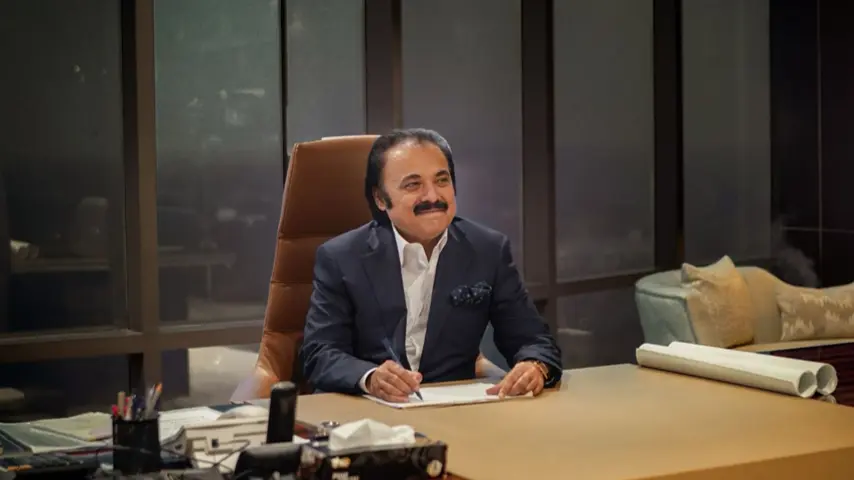
ISLAMABAD, July 24. /Dunyo IA/. On the eve of the 35th anniversary of Uzbekistan’s independence, Zahid Rafiq, Chairman of the Board of one of Pakistan’s largest industrial and investment conglomerates, HRL Group, gave an exclusive interview to Dunyo IA:
During the interview, he shared his views on the large-scale reforms implemented under the leadership of President Shavkat Mirziyoyev over the past decade as part of the construction of the New Uzbekistan, the country’s socio-economic development, the fundamental improvement of its investment climate, as well as the remarkable progress achieved in enhancing openness and expanding international cooperation.
– This year marks the 10th anniversary of the launch of the large-scale reforms in the New Uzbekistan. How do you assess the results of this decade of reforms, and what do you consider to be the most significant changes that have taken place in the country?
– Over the past decade, the New Uzbekistan has undergone profound and impressive transformations that have attracted the attention of the international business community. The reforms have modernized the economy, strengthened state institutions, further enhanced the investment climate, and fostered greater openness and transparency for both domestic and foreign investors. These changes have significantly elevated Uzbekistan’s international standing, positioning the country as one of the most dynamic and promising economies in Central Asia. Its policy of economic liberalization, infrastructure development, and private sector support has laid a solid foundation for sustainable long-term growth.
As the head of a major company, I consider it particularly significant that Uzbekistan has successfully aligned its economic reforms with a forward-looking policy focused on regional cooperation and international integration. The government’s efforts to attract foreign investment, promote innovation, and expand foreign trade have created new opportunities for companies from Pakistan and many other countries.
I am convinced that the achievements of the past decade represent only the beginning. Uzbekistan is steadily emerging as one of the leading economic and investment hubs linking Central and South Asia.
– Over the past decade, cooperation between Uzbekistan and Pakistan has strengthened considerably. Which achievements of this partnership do you regard as the most successful, and which joint projects or areas of cooperation should be prioritized in the future?
– Over the past ten years, relations between Uzbekistan and Pakistan have grown substantially stronger, driven by strong political will and a shared commitment to regional prosperity. Cooperation has expanded dynamically in the fields of trade, investment, infrastructure, logistics, and business-to-business (B2B) engagement. The improved investment climate in Uzbekistan has encouraged Pakistani companies, including HRL Group, to explore new business opportunities. Regular high-level contacts and business forums have further reinforced investor confidence. This cooperation has established a solid foundation for a long-term strategic economic partnership.
In my view, future priorities should include the development of infrastructure, the expansion of cooperation in industrial projects, mining, energy, agriculture, construction, and logistics. The development of efficient transport corridors linking Central and South Asia will unlock tremendous economic opportunities for both countries. Equally important are the establishment of joint ventures, the transfer of advanced technologies, and the further strengthening of cooperation between the private sectors of the two countries.
I am confident that the prospects for Uzbekistan–Pakistan cooperation are exceptionally promising. HRL Group, for its part, stands ready to contribute to the continued development and prosperity of Uzbekistan.
– One of the principal objectives of the reforms was to build an open, investment-friendly economy deeply integrated into the global economic system. In your opinion, to what extent have these changes strengthened the confidence of the international community, investors, and development partners?
– The reforms implemented under the leadership of President Shavkat Mirziyoyev over the past decade have significantly enhanced Uzbekistan’s standing in the eyes of the international business community. The New Uzbekistan has become a more open, transparent, and attractive destination for foreign investment. Measures aimed at simplifying business procedures, improving the legal and regulatory framework, and supporting private investment have strengthened the confidence of international companies and development partners. Today, many investors regard Uzbekistan as one of the most promising markets in Central Asia.
In my view, these reforms have established a solid foundation for the country’s long-term economic growth. Investors value stability, a clear and consistent policy framework, and a government committed to continuous improvement. Uzbekistan has demonstrated precisely these qualities. If the country continues to pursue this course with consistency and determination, it will attract even greater volumes of investment, create new business opportunities, and further consolidate its position as one of the region’s leading economic hubs.
– Today, Uzbekistan is actively advancing initiatives in sustainable development, the green economy, digital transformation, science, education, and human capital development. What opportunities do you see for expanding cooperation in these areas in the years ahead?
– Uzbekistan has achieved remarkable progress in the fields of sustainable development, digital transformation, education, and innovation. These sectors are key drivers of long-term economic growth, and the priority the government places on them is creating new opportunities for international cooperation.
I see considerable potential for collaboration in renewable energy, smart infrastructure, digital technologies, vocational education, and scientific research. These areas will deliver tangible benefits not only to Uzbekistan but also to its international partners.
It is worth emphasizing that Pakistan and Uzbekistan have significant opportunities to further expand their cooperation through the exchange of knowledge and expertise, investment in advanced technologies, and the development of a highly skilled workforce. Joint initiatives in green energy, digital solutions, education, and industrial innovation will contribute to the creation of new jobs, higher labour productivity, and sustainable economic development. HRL Group, for its part, is keen to explore such opportunities and contribute to Uzbekistan’s vision of building a modern, competitive, and knowledge-based economy.
– During the past decade of reforms, Uzbekistan has put forward a number of international and regional initiatives. Which of these, in your opinion, will have long-term significance not only for Uzbekistan but also for the whole of Central Asia and the international community?
– One of Uzbekistan’s most significant achievements has been its unwavering commitment to strengthening regional cooperation and connectivity across Central Asia. By fostering good-neighbourly relations with neighbouring countries, expanding mutual trade, and promoting regional transport and investment projects, Uzbekistan has made a substantial contribution to building a stable and economically interconnected region. These efforts are creating new opportunities for trade, investment, and business partnerships not only within Central Asia but also for countries such as Pakistan.
I also believe that Uzbekistan’s policies promoting sustainable development, digital transformation, education, and an open economy will have lasting significance on the global stage. These initiatives are enhancing the country’s competitiveness, making it an even more attractive destination for international investors, and contributing to higher living standards for its people.
There are solid grounds to conclude that the tangible outcomes of the numerous international and regional initiatives advanced by President Shavkat Mirziyoyev over the past decade have further reinforced Uzbekistan’s role as a vital bridge connecting Central and South Asia and as a reliable partner in regional and international cooperation.
– Many international experts regard the reforms of the New Uzbekistan as among the most successful large-scale transformations in the region. Which aspects of this experience do you believe are of particular interest and relevance for other countries?
– One of the most valuable aspects of Uzbekistan’s reform experience is the country’s steadfast commitment to openness and continuous improvement. The government has been implementing a phased reform agenda aimed at economic liberalization, improving the business environment, strengthening public institutions, and attracting foreign investment. This balanced and pragmatic approach has enhanced the confidence of investors and international partners while at the same time ensuring stability.
Another important lesson is Uzbekistan’s strong emphasis on regional cooperation and long-term development. The country is investing not only in infrastructure, education, digital transformation, and human capital, but also in deepening cooperation with its neighbouring states. These reforms demonstrate that sustainable growth can be achieved by aligning economic development with regional cooperation and strategic investment in human capital.
Many developing countries, including Pakistan, can draw valuable lessons from Uzbekistan’s experience and adapt them to their own national development strategies.
– Looking ahead to the next decade, which areas of reform do you believe will be crucial for ensuring Uzbekistan’s sustainable development and further strengthening its position in the global economy and international relations?
– Over the coming decade, the key priorities should be the consistent continuation of economic reforms, further promotion of private sector development, and the attraction of even greater volumes of foreign direct investment. Uzbekistan has already achieved remarkable progress in improving its business environment, and maintaining this momentum will further strengthen investor confidence. Continued investment in modern infrastructure, digital technologies, and industrial development will enhance the country’s competitiveness in the global economy.
Equally important are investments in human capital through high-quality education, skills development, innovation, and sustainable development. Expanding the green economy and strengthening regional connectivity will also create new opportunities for trade and investment.
I am confident that if Uzbekistan continues to pursue its reform agenda with consistency and strategic vision, it will further consolidate its position as one of the leading economic centres of Central Asia, while also enhancing its role as a respected and influential partner in the international community.
– On the occasion of the upcoming landmark anniversaries in Uzbekistan’s history, what message or wishes would you like to convey to the country’s leadership and people?
– On the occasion of the 35th anniversary of Uzbekistan’s independence and the 10th anniversary of the launch of the New Uzbekistan reforms, I would like to extend my heartfelt congratulations to the President and the people of Uzbekistan.
The achievements of the past decade are truly remarkable and stand as a clear testament to the country’s strategic vision, unwavering determination, and steadfast commitment to building an even stronger and more prosperous nation.
I sincerely wish Uzbekistan continued peace, stability, and sustained economic success. I highly appreciate the country’s efforts to create new opportunities for its citizens and international partners alike. I am confident that, by consistently pursuing its current course of development, Uzbekistan will, in the near future, emerge as one of the region’s foremost economic and investment hubs.

Latest News



See all
Read also
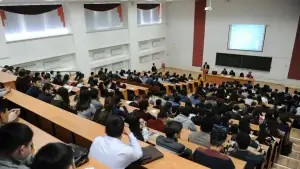
Number of University students in Uzbekistan increases nearly 4.6-fold since Independence

Festive Concert celebrating the 35th Anniversary of the Independence of Uzbekistan Held in Israel