FAO to expand cooperation with Uzbekistan in food security
April 16, 2026. 14:00 • 2 min
• 99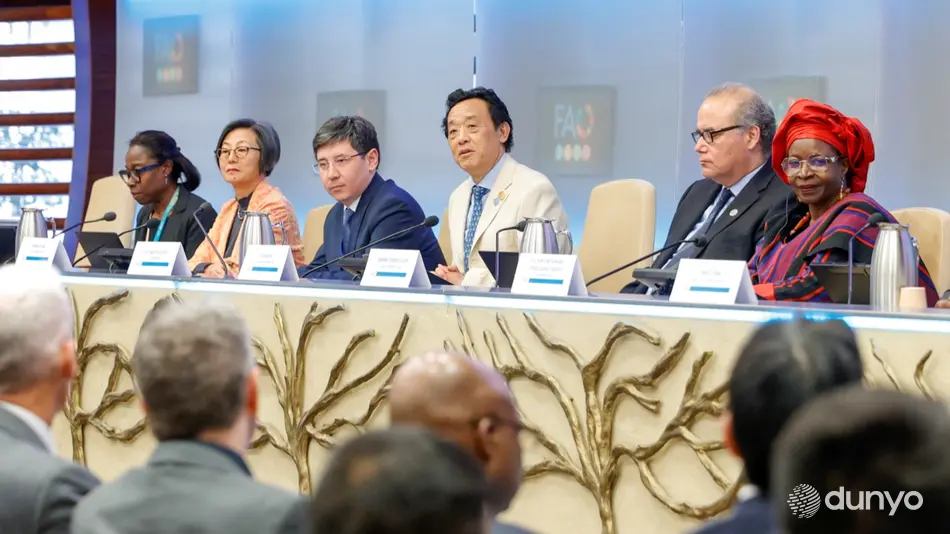

ROME, April 16. /Dunyo IA/. At an event held at the headquarters of the Food and Agriculture Organization, participants reviewed the organization’s work in developing countries, including Uzbekistan, and outlined priorities for the near term, reports Dunyo IA correspondent.
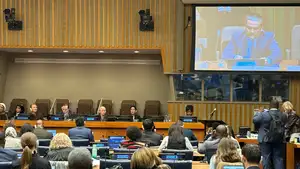
The meeting, titled “Taking Stock of Progress and Charting the Way Forward: FAO’s Work in Small Island Developing States (SIDS), Least Developed Countries (LDCs), and Landlocked Developing Countries (LLDCs)”, focused on issues of food security, logistical constraints, and the impact of climate change.
The event was attended by FAO Director-General Qu Dongyu, the organization’s chief economists, senior officials, as well as ambassadors of SIDS, LDC, and LLDC countries.
During the discussions, participants highlighted ongoing challenges, including hunger, limited transport connectivity, and climate change affecting agriculture and food systems.
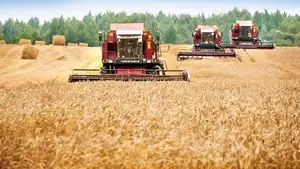
Speaking on behalf of Uzbekistan, Ambassador to Italy and Permanent Representative to FAO Abat Fayzullaev noted that despite existing constraints, Uzbekistan continues to demonstrate steady growth in agriculture and food security, including through measures implemented jointly with FAO.
It was emphasized that ongoing reforms and results-oriented policies are enabling sustainable development and strengthening food security, even in the absence of direct access to the sea.
It was also announced that Tashkent is set to host the second international forum on food security for landlocked developing countries later this year, organized in cooperation with FAO, where key regional issues will be discussed.
FAO Director-General Qu Dongyu noted that Uzbekistan’s experience serves as an example for other countries and stressed the need for increased attention from international and financial institutions to the challenges faced by SIDS, LDCs, and LLDCs.
According to him, without active support for these countries, it will be difficult to address global challenges related to food shortages and sustainable agricultural development.

See all