Belgium Introduces Water Restrictions Amid Severe Drought
August 18, 2026. 17:30 • 3 min
• 132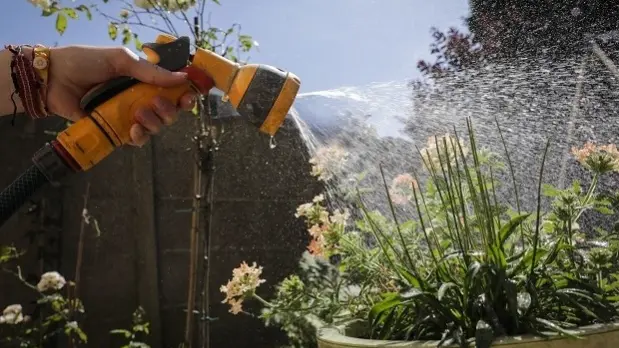
BRUSSELS, August 18. /Dunyo IA/. Fifteen municipalities in Belgium’s Wallonia region have introduced restrictions on water use due to severe drought and record-low groundwater levels, reports Dunyo IA correspondent, citing The Brussels Times.
Residents are prohibited from using water for irrigation and from filling swimming pools and other reservoirs. The restrictions were introduced amid rapidly falling river levels and prolonged extreme heat.
Major rivers, including the Meuse, Scheldt and Sambre, are still maintaining the minimum levels required for navigation thanks to closed locks, although this has caused delays in river traffic. Smaller rivers have already dried up in some areas, while dozens of boat stations have suspended operations due to insufficient water levels.
Royal Meteorological Institute of Belgium reported that the current drought is already the second most severe since observations began in 1970 and could set a new record in the coming days. In July, just over 10 mm of rain fell compared with an average of around 100 mm, while daytime temperatures in July and August frequently exceeded 35–36°C.
Extreme weather events are becoming an increasingly serious financial problem for Europe. According to the European Environment Agency, weather- and climate-related disasters caused around 822 billion euros in economic damage across the EU between 1980 and 2024, with roughly a quarter of the losses occurring in the past four years.
Only about a quarter of climate-related losses in the EU are insured. Experts warn that the increasing frequency of droughts, floods and wildfires will place additional pressure on government budgets.
Amid record heat and prolonged drought, wildfires continue to affect Spain, France, Portugal, Greece and other countries. According to the European Commission, around 600,500 hectares have burned in Europe since the beginning of the year as of August 17, significantly above the 20-year average.
Recent fires have also caused fatalities: two people died on the Greek island of Salamina, while a military serviceman was killed while fighting a wildfire in Spain. The exact overall death toll from wildfires across Europe has not yet been established, as data from different countries are updated at different intervals.
Earlier, it was reported that Western Europe experienced the hottest June–July period on record, while extreme heat and drought contributed to large-scale wildfires and falling river levels. The heatwave that hit Western Europe in the second half of June caused at least 12,000 premature deaths.

Latest News



See all
Read also