In Spain, a book has been published dedicated to the embassy of Ruy González de Clavijo to Samarkand
May 21, 2026. 14:25 • 4 min
• 172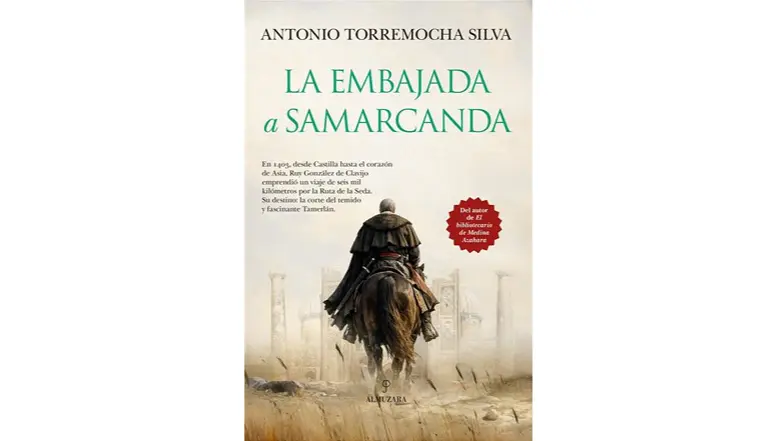
MADRID, May 20. /Dunyo IA/. The historical novel “Embassy to Samarkand” by Spanish writer and historian Antonio Torremocha Silva, dedicated to the diplomatic mission of the Castilian ambassador Ruy González de Clavijo to the court of Amir Temur, has been published in Spain, reports Dunyo IA correspondent.
The narrative centers on the journey of Ruy González de Clavijo, who was sent by King Henry III of Castile to Samarkand to establish diplomatic relations with the Temurid State against the backdrop of the rising Ottoman Empire.
The narrative spans the years 1403–1406, detailing the Spanish embassy's journey from the Mediterranean through Constantinople, Asia Minor, Persia and Central Asia to Samarkand, the capital of the Temurid State. The text highlights Samarkand as a major political, scientific and cultural center of the era.
The novel pays special attention to Temurid-era Samarkand. The book describes the caravan routes of the Great Silk Road, court culture, diplomatic ceremonies, international trade and the atmosphere of the city, which in the 15th century was a crucial hub for interaction between East and West. The author also touches upon themes of intercultural dialogue, diplomacy and the role of the individual in medieval international relations.
The historical foundation of the novel is based on real diplomatic contacts between the Temurid State and European powers at the beginning of the 15th century. Following Amir Temur's victory over the Ottoman Sultan Bayezid I at the Battle of Ankara in 1402, European states began actively seeking alliance relations with Samarkand. King Henry III of Castile dispatched a special embassy to Temur's court, led by Ruy González de Clavijo, with the aim of establishing diplomatic and trade ties.
The journey of the Spanish mission to Samarkand took over a year and passed through Constantinople, Asia Minor, Persia, and Central Asia. In his records, Clavijo described in detail the cities he saw, caravan routes, diplomatic ceremonies and the scale of international trade within the territory of the Temurid State.
Samarkand made a special impression on the Spanish diplomat, who called it one of the richest and most majestic cities of the East. In his chronicles, Clavijo described the grandiose palaces, gardens, bazaars, architectural ensembles and the atmosphere of the city where the cultures and trade routes of the East and West intersected. Today, his accounts are considered one of the most important European sources on Central Asia and the era of Amir Temur.
As noted in the publisher's synopsis, the novel is 'a chronicle of an almost impossible mission' and 'an epic story of a Spaniard who dared to look into the eyes of the ruler of Asia.
The book is based on the famous medieval chronicle “Embassy to Tamerlane”, written by Ruy González de Clavijo himself upon his return to Castile. This work is considered one of the most valuable European sources on 15th-century Central Asia and contains detailed information about the Temurid State, Samarkand, the region's population, trade routes and court life during the era of Amir Temur.
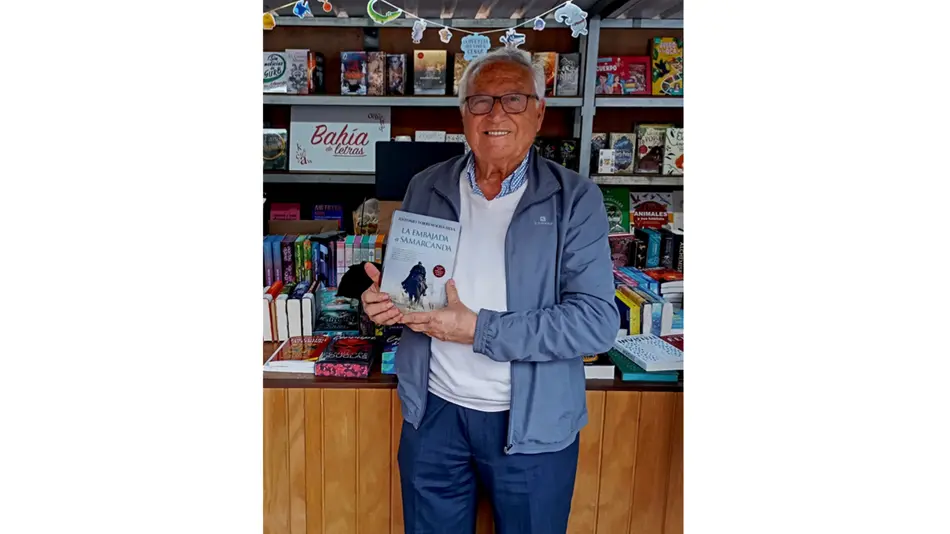
Antonio Torremocha Silva is known in Spain as a researcher of medieval history and the author of historical novels and publications dedicated to the Reconquista era, relations between the Christian and Muslim worlds, and the diplomatic and military events of medieval Europe. He taught at Spain's National University of Distance Education (UNED) and managed the Municipal Museum of Algeciras. He is a member of several Spanish scientific and cultural organizations specializing in the study of medieval history and Al-Andalus.
As noted by Spanish literary publications, the book combines historical accuracy with fictional narrative and describes the diplomatic mission as “a journey to the edge of the known world”.
The author's desire to show Clavijo's diplomatic mission not only as a geographical journey but also as a symbol of one of the first large-scale diplomatic dialogues between Europe and Central Asia is particularly emphasized.
The novel went on sale in May of this year. The 352-page book is already available in Spain's largest bookstore chains. Its official presentation took place on May 13 at the “Ateneo de la Bahía” cultural center, with the participation of the author and representatives of the country's literary community.
According to experts, the publication of the novel demonstrates the continuing interest in Spain in the history of diplomatic and cultural ties between the Iberian Peninsula and Central Asia, including the territory of modern Uzbekistan.
Experts note that the figure of Ruy González de Clavijo and his journey to Samarkand continue to remain an important symbol of the historical interaction between Europe and the East, as well as one of the best-known examples of early European diplomacy in Central Asia.

Latest News
See all