View from Ankara: Uzbekistan’s Multilateral Diplomacy promotes strengthening of ties between Central Asia and South Caucasus
October 17, 2026. 09:10 • 3 min
• 331
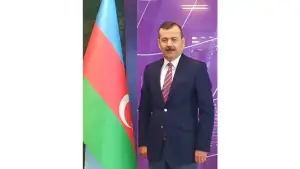
ANKARA, October 17. /Dunyo IA/. Yunus Emre Kanat, Chairman of the Board of the Turkish Center for Strategic Studies and Development, in an interview with Dunyo IA, commented on the outcomes of the working visit of the President of Uzbekistan to Azerbaijan, which took place on October 14–15th:
- Eurasia is currently experiencing a period of intensified geopolitical competition, restructuring of the security system, and shifting trade routes. The consequences of instability in various regions of the world, the situation in Afghanistan, and the vulnerability of energy and food supply chains amplify the need for flexible mechanisms of regional cooperation.
In these circumstances, the Conference on Interaction and Confidence-Building Measures in Asia (CICA) is becoming a vital platform for dialogue. The 7th Summit of the organization in Baku confirmed that regional security depends not only on political and military factors, but also on economic development, transport, food and energy security, digitalization and ecology.
Approach of the President of Uzbekistan Shavkat Mirziyoyev, is centered on resolving regional issues through joint projects, economic interdependence, and open dialogue. Of particular significance is the situation in Afghanistan, as its stability directly impacts the security of Central Asia and the expansion of connectivity with South Asia. The proposal to establish a high-level international negotiating mechanism under the auspices of the UN reflects Uzbekistan's commitment to an inclusive solution to the Afghan issue.
Middle Corridor, which connects China and Central Asia to Europe via the Caspian Sea, the South Caucasus and Türkiye, is becoming an essential framework for regional integration. Its further development will enable Uzbekistan to diversify its export routes, while allowing Türkiye to strengthen its position as a major transport and logistics hub. To enhance the corridor's efficiency, infrastructure modernization, simplification of customs procedures and the digitalization of transport operations are required.
Turkish-Uzbek partnership possesses significant potential for expanding trade, investments, industrial cooperation and collaboration in regional security. Concurrently, interaction between the two nations should actively facilitate the involvement of other states in joint regional projects.
Complementary cooperation between the Organization of Turkic States (OTS) and CICA opens up additional opportunities. Their joint potential can be leveraged to develop transport routes, digitalize logistics, simplify border crossings, and strengthen regional confidence.
Food and environmental security are equally vital. Development of agricultural technologies, the rational use of water resources, and the fight against desertification require coordinated actions, particularly given the ecological challenges of the Aral Sea region.
Future of CICA depends on its capacity to translate diplomatic dialogue into tangible results. Priorities must include the development of transport infrastructure, information sharing regarding regional risks and cooperation in education, science, and technology.
Baku Summit confirmed that Eurasia’s resilience relies on transforming shared interests into practical initiatives. Uzbekistan's multilateral diplomacy, its partnership with Türkiye and engagement between CICA and the OTS can contribute to strengthening connectivity between Central Asia and the South Caucasus, thereby shaping a more stable and interconnected regional space.

Latest News


See all
Read also
Baku CICA Summit to set priorities for strengthening regional security and advancing future development


Industrial Potential of Uzbekistan showcased at International Exhibition in Germany

View from Ankara: Uzbekistan stands at the Center of Processes shaping the Future of Central Asia