View from Ankara: Uzbekistan elevates Central Asia to a new height of international dialogue
October 21, 2026. 14:30 • 4 min
• 121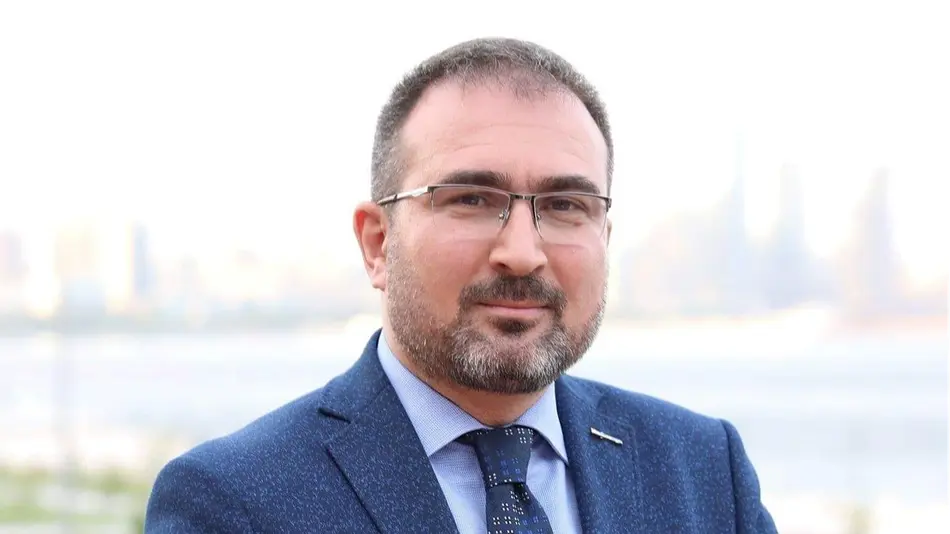
ANKARA, October 21. /Dunyo IA/. Hikmet Eren, Chairman of the Eurasian Economic Relations Foundation (EkoAvrasya), PhD, commented in an interview with Dunyo IA on the outcomes of the visit of U.S. Secretary of State Marco Rubio to Uzbekistan, which took place on October 18–20th:
- In recent years, Uzbekistan has been increasingly transforming Central Asia into a platform for international dialogue, bringing together the world's leading powers and major economic centers around the region. Samarkand, Tashkent and other cities of the country are more frequently hosting meetings that discuss not only bilateral relations but also the future of the entire region. Behind this intensification is the consistent policy of President Shavkat Mirziyoyev, aimed at attracting the attention of the international community to Central Asia and strengthening its role as a region with shared interests and long-term goals.
Dialogue held in Samarkand with the participation of U.S. Secretary of State Marco Rubio continued this trend. The “C5+1” format, which brings together the United States and the five Central Asian states, is gaining greater significance against the backdrop of changes in the global economy. Washington views the region as an important partner in the fields of energy, transport, critical minerals, and trade. For the Central Asian countries, this represents an opportunity to attract investment, gain access to technology, and strengthen their positions in the international economy. It is also important that the region itself is increasingly shaping the dialogue agenda, rather than merely reacting to the initiatives of external partners.
Role of President Shavkat Mirziyoyev in promoting such diplomacy deserves special attention. Uzbekistan consistently develops relations with Türkiye, the United States, China, the European Union, South Korea, Japan and other partners, while simultaneously strengthening regional cooperation. This approach allows Tashkent to expand international ties without being limited to a single direction. In my view, one of the key strengths of current Uzbek policy lies in combining openness to the outside world with the commitment to strengthen regional autonomy and create conditions for shared economic development.
For Türkiye, these processes hold special significance. Ankara seeks to maintain constructive relations with Washington and develop political and economic cooperation with Uzbekistan. The Turkish-American dialogue and the strengthening of Uzbek-American ties should be viewed not as separate processes, but as complementary opportunities for joint initiatives, exchange of experience and the expansion of economic ties within the Eurasian space.
Türkiye and Uzbekistan are united by historic, cultural, and humanitarian ties, which in recent years have acquired a new economic and political substance. High-level contacts, expanding trade and the activation of business cooperation create a foundation for further rapprochement. Both nations share an interest in ensuring that Central Asia remains a space of stability, open trade and mutually beneficial investments. Therefore, the expansion of Uzbekistan's ties with the United States and other global centers opens up additional perspectives for both Turkish business and regional partnership.
In this context, Samarkand becomes a symbolic venue. For centuries, the city linked East and West, serving as a hub for trade and cultural exchange. Today, this historical role continues: transport corridors, energy projects, the digital economy and cooperation in the field of critical minerals are shaping a new geography of Eurasian connectivity. Uzbekistan has the potential to become one of the key nodes of this system, connecting the markets of Central Asia with the Caspian region, the South Caucasus, Türkiye and Europe.
At the same time, future success will depend on how consistently political agreements are translated into concrete projects. The region requires not only investments but also new manufacturing facilities, modern technologies, qualified specialists, effective infrastructure, and the expansion of finished product exports. The development of the “C5+1” format demonstrates Central Asia's aspiration to strengthen its position in global politics and economics, and Uzbekistan plays a significant role in this process by drawing the attention of leading powers to the interests of the entire region.
Today, Samarkand is becoming a symbol of the region's growing role in global processes. In this context, Uzbekistan's active diplomacy, its openness, and its commitment to a broad international dialogue hold particular significance.

Latest News
See all
Read also
View from Almaty: Meetings in Samarkand demonstrate U.S. Administration's commitment to expanding cooperation with Central Asian countries
View from Dushanbe: The United States is increasingly taking into account the new regional reality in Central Asia