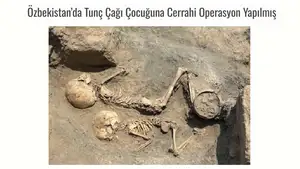
Ancient tools and remnants of wild cereal plants discovered in Toda cave in the Boysun mountains
September 22, 2025. 17:24 • 2 min
• 1844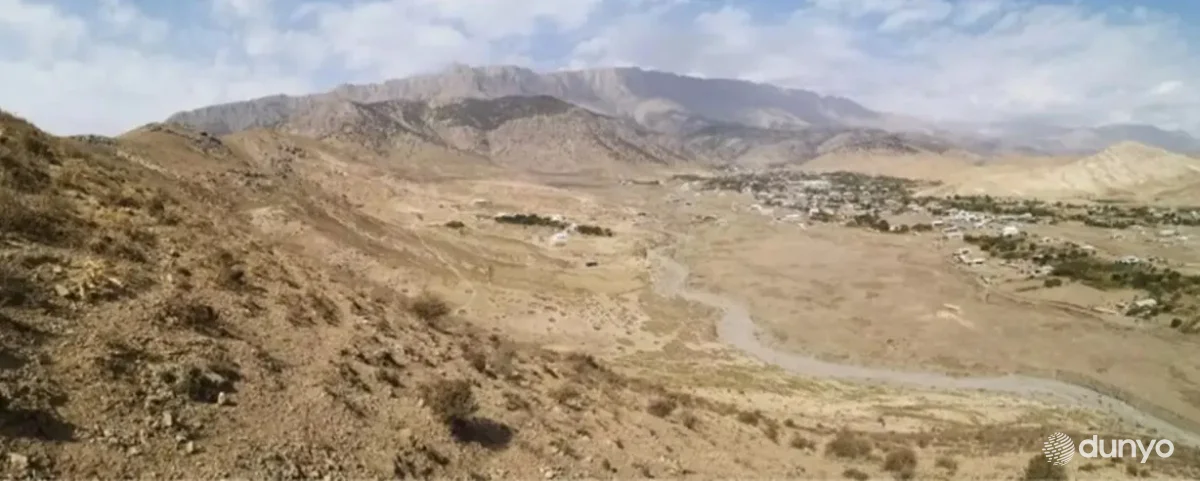
TASHKENT, September 22. /Dunyo IA/. Archaeological excavations conducted at Toda Cave, located in the Boysun Mountains of Surkhandarya Region, have resulted in the discovery of ancient labor tools and remnants of wild cereal plants, reports Dunyo IA correspondent.

According to the Cultural Heritage Agency of the Republic of Uzbekistan, the research was carried out under the leadership of Xinying Zhou, a researcher at the Institute of Vertebrate Paleontology and Paleoanthropology of the Chinese Academy of Sciences, in cooperation with archaeologists from the Yahyo Gulyamov Institute of Archaeology in Samarkand.
During the excavation process, archaeologists uncovered ancient stone sickles, seeds of wild cereals, and labor tools used in the processing of these plants. According to preliminary assessments by experts, the discovered artifacts date back approximately 9,200 years. Findings by the international research team suggest that, in addition to hunting and gathering, the ancient inhabitants of the region had also begun to engage in early forms of agriculture.
As emphasized by Robert Spengler, a research scientist at the Geoanthropology Institute in Germany, these findings provide compelling evidence that agriculture did not emerge in a single region, but rather developed independently across various parts of the world — including within Eurasia. In the course of the archaeological excavations, researchers uncovered not only plant remains, but also stone knives, sickles, and other tools specifically designed for processing wild barley. Microscopic analysis revealed wear patterns and residue traces consistent with the harvesting and processing of cereal stalks, indicating early agricultural practices.
Archaeologists confirm that similar tools have been identified in the Levant region as well as at the Obishir-5 archaeological site in Kyrgyzstan. This provides further scientific support for the theory that early agricultural traditions emerged independently in multiple regions. This discovery holds significant importance not only for the history of Uzbekistan, but also as a vital scientific contribution to the global understanding of early agrarian civilizations in human history.
Latest News



See all