Energy Sector of Uzbekistan: A New Stage of Reform - From Investment to Efficient Governance
July 27, 2026. 20:00 • 6 min
• 957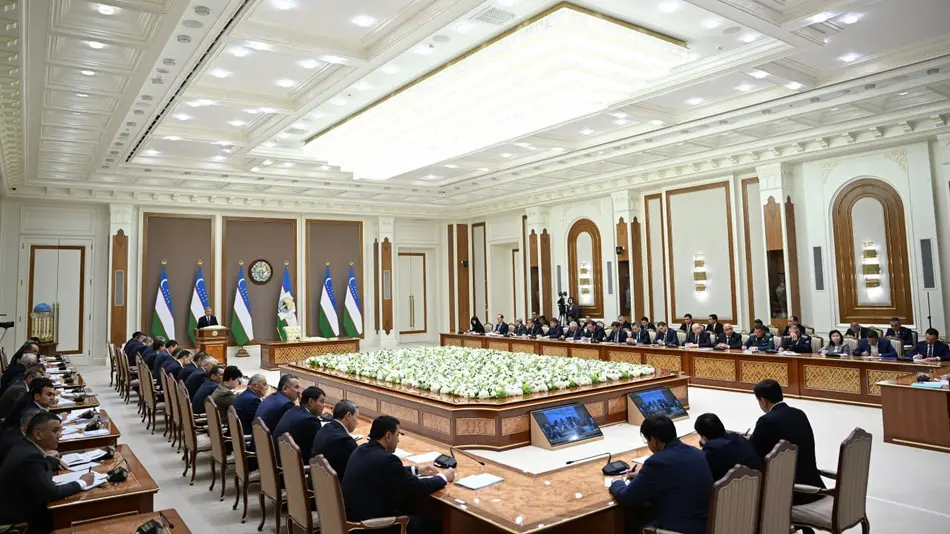
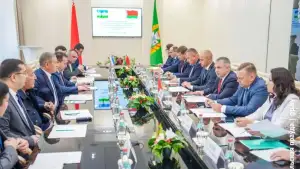
TASHKENT, 27 July. /Dunyo IA /. Akramjon Nematov, First Deputy Director of the Institute for Strategic and Regional Studies (ISRS) under the President of Uzbekistan, commented for Dunyo Information Agency on the outcomes of today's meeting chaired by President of Uzbekistan Shavkat Mirziyoyev, which focused on priority tasks for the further development of the country's fuel and energy sector.
In his view, the meeting marked a logical continuation of the President's consistent policy aimed at the comprehensive modernization of Uzbekistan's energy sector. Whereas the primary objectives at earlier stages were to eliminate generation shortages, attract investment, and build modern infrastructure, the focus is now naturally shifting toward improving the efficiency of sector governance, ensuring the reliability of energy supply and delivering tangible results that are felt by both citizens and businesses.
According to the expert, Uzbekistan's energy sector has undergone transformations of unprecedented scale in recent years. In effect, a new development model has been established, based on attracting private capital, expanding international partnerships and introducing modern technologies.
Before the launch of the reforms, energy sector relied primarily on limited public resources, while chronic shortages of generating capacity and the deteriorating condition of infrastructure constrained economic growth. Over the past several years, however, the situation has changed fundamentally.
Thanks to the creation of a favourable environment for private and foreign investors, the sector has attracted USD 23 billion in foreign investment. This has made it possible to commission new power generation facilities with a combined capacity of 9.5 GW, effectively creating sufficient generating capacity to meet the domestic needs of the economy and the population.
A major achievement has been the emergence of an entirely new industry in Uzbekistan - renewable energy sector. In recent years, large-scale solar and wind power plants have been commissioned with the participation of international companies such as ACWA Power, Masdar and other strategic investors. Whereas utility-scale renewable energy generation was virtually non-existent before the reforms, “green” energy has now become one of the principal drivers of the sector's development, contributing to the diversification of energy sources, reducing dependence on natural gas and strengthening the country's long-term energy security. This has not only diversified Uzbekistan's energy mix but also laid the foundation for achieving the strategic goal of increasing the share of renewable energy to 54 percent of total electricity generation by 2030.
At the same time, the country has carried out a large-scale modernization of its energy infrastructure. Approximately UZS 30 trillion has been invested in upgrading electricity and gas networks, substations, transformers and gas distribution facilities - six times the amount allocated to comparable projects over the previous twenty-five years.
As a result, within a relatively short period Uzbekistan has moved from addressing shortages in generating capacity to establishing a modern energy infrastructure. This has created favourable conditions for sustained economic growth, industrialization, and further investment.
At the same time, the meeting was distinguished by its frank assessment of the challenges that remain. President emphasized that the principal challenge today is no longer a lack of financial resources, but rather the quality of governance within the sector. Consequently, the focus has shifted to improving the effectiveness of the entire system - from strategic planning to operational management at the local level.
In particular, a comprehensive assessment was made of the persistently high number of equipment failures, substantial electricity losses in transmission and distribution networks, shortcomings in digital metering systems, the mismatch between the pace of infrastructure modernization and growing demand for energy resources, as well as weak implementation discipline among certain managers. The President stressed that every power outage imposes costs on citizens, businesses, and the economy as a whole and should therefore be regarded as a direct indicator of the performance of the responsible officials.
At the same time, systemic solutions were proposed to address these challenges. Above all, this involves transitioning to a new model of territorial energy management. A comprehensive mechanism will first be introduced in Yangiyul District, including the preparation of an energy balance for each territory, a detailed assessment of the needs of households and businesses, targeted modernization of network infrastructure and the introduction of modern digital management tools. Following the pilot phase, this approach will be extended nationwide.
Accelerating the digitalization of the sector will become another key area of reform. A specialized center for digital technologies and artificial intelligence will be established, unified Key Performance Indicators (KPIs) will be introduced for employees across the sector and oversight of technical losses, equipment failures, accounts receivable and the quality of consumer services will be strengthened. In this way, energy sector governance is being elevated to a fundamentally new level based on data, analytics and personal accountability.
Particular attention was also devoted to ensuring the reliable operation of the energy system during the autumn and winter season. Tasks were set to develop solutions for communities without stable natural gas supplies, expand the use of alternative heating systems, improve the supply of liquefied petroleum gas (LPG) through greater private-sector participation and increase LPG production.
Another strategic priority identified during the meeting was the development of human capital. President emphasized the need for a fundamental modernization of specialist training for the energy sector, including the upgrading of educational programs, the expansion of dual education, and the wider adoption of international best practices. This is particularly important in the context of the rapid development of renewable energy, digital technologies, and intelligent energy management systems.
Overall, the meeting reflected the distinctive style of public administration pursued by President Shavkat Mirziyoyev - open, critical and focused on achieving tangible results. Despite the significant progress made in recent years, the Head of State called for an objective assessment of the remaining challenges, stronger personal accountability among managers, and a transition to a modern governance model in which the reliability of energy supply, the quality of services provided, and the satisfaction of citizens and businesses serve as the principal indicators of performance.
In essence, the meeting marked the beginning of a new stage of reform in which the priority is no longer simply the construction of new facilities, but ensuring the high efficiency of the entire energy system. Such an approach will enable Uzbekistan to transform the substantial infrastructure potential created in recent years into a sustainable competitive advantage for the national economy and a reliable foundation for its long-term development.
Photo by the press service of the President of Uzbekistan

Latest News



See all