An exhibition by an Uzbek artist is being showcased in United States
May 22, 2026. 11:25 • 3 min
• 176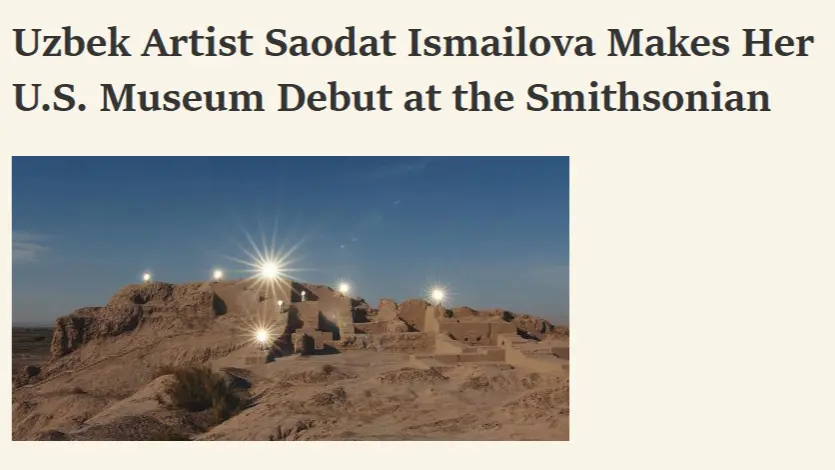
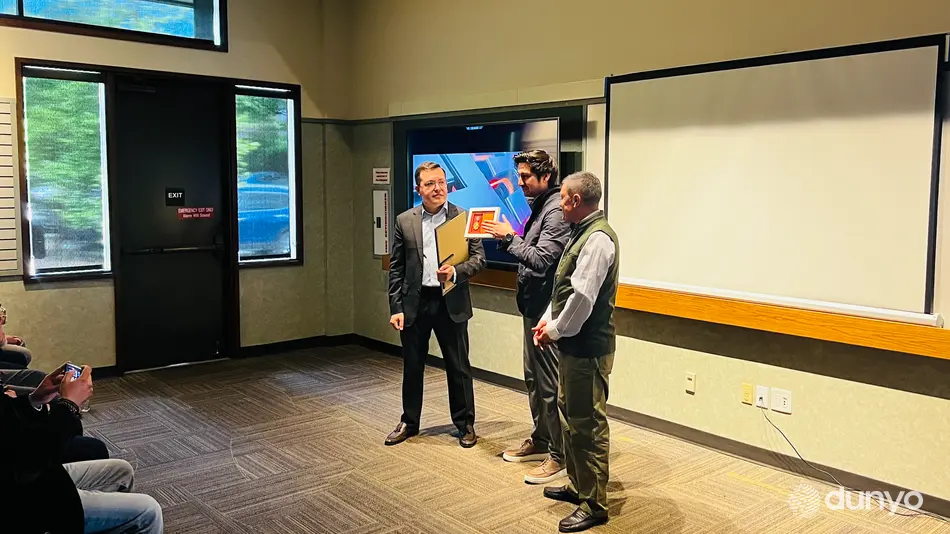
WASHINGTON, May 22. /Dunyo IA/. National Museum of Asian Art of the Smithsonian Institution, one of the prestigious cultural institutions in the United States, is hosting “Melted into the Sun” (Quyoshga singib ketgan), the first exhibition by the renowned Uzbek artist and filmmaker Saodat Ismailova, reports Dunyo IA correspondent.
This exhibition by our compatriot features video installations, photographs, and unique exhibits selected from the museum's historical collections. The exposition allows viewers to explore the rich history, cultural memory and contemporary artistic perspectives of Central Asia.
Director of the museum, Chase Robinson, noted that the works of Saodat Ismailova combine personal memory with historical events, encouraging audiences to reconsider history from a different perspective. In his view, the exhibition represents an important initiative aimed at promoting a broader understanding of the history and culture of Asian peoples.
A particular focus of the exhibition is the video work “18,000 Worlds”(18,000 ming olam), which has attracted significant public interest. The piece juxtaposes archival footage from Central Asia dating back to the 1920s with imagery of a space complex in Kazakhstan and a large solar furnace in Uzbekistan. The work powerfully reflects the interconnectedness between the region’s historical legacy and its contemporary development.
The work “Her Right” (Uning haqqi) explores the struggle of Uzbek women for freedom and fundamental rights. It combines archival footage from early Uzbek cinema with contemporary musical compositions, creating a layered narrative that bridges past and present.
The central installation of the exhibition, the film “Melted into the Sun” by Saodat Ismailova, offers a contemporary interpretation of the figure of Al-Muqanna, an 8th-century historical personality known as the “The veiled one” (Niqobli zot). The work reflects on the interrelationship between history, mythology and modern civilisation through the visual juxtaposition of ancient ruins and industrial landscapes.
In the series “The Letters” (Maktublar), Saodat Ismailova combines portraits of her family members with poetry, religious texts and personal reflections expressed in various languages. These works deeply explore themes of human memory, generational continuity and cultural heritage.
For the exhibition, a rare 19th-century Uzbek textile from the museum’s collection has also been selected. These artefacts are presented as vivid examples of traditional Uzbek applied arts.
Born in Uzbekistan in 1981, Saodat Ismailova currently works between Paris and Tashkent. She graduated from the Tashkent State Institute of Arts and the National Studio of Contemporary Art in France. In 2021, she founded “Davra”, a platform dedicated to the development of contemporary art in Central Asia.
In 2022, she participated in the Venice Biennale as well as other international exhibitions. She has also been the recipient of several international awards.
Today, her works are included in the collections of world-renowned museums and galleries such as “Tate Modern”, “Centre Pompidou” and “Victoria” and “Albert” Museum.
Analysts note that the exhibition not only enhances the international profile of contemporary Uzbek art, but also serves to promote the rich cultural heritage of Central Asia and its contemporary artistic discourse to a wider global audience.

Latest News

See all