Peace begins with dialogue: Unique school of practical peacebuilding launches in Fergana
June 22, 2026. 10:00 • 13 min
• 59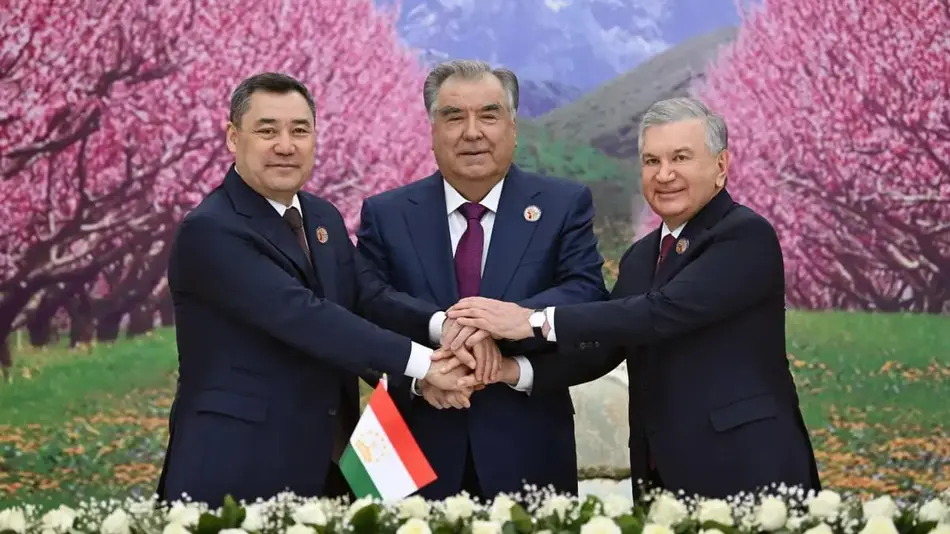
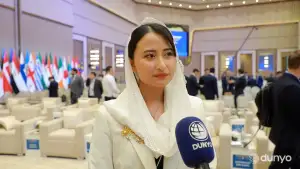
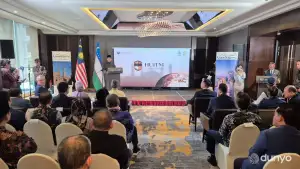
FERGANA, June 22. /Dunyo IA/. Today, the international youth seminar “Cross-Border Young Peacebuilders Initiative” kicked off at Fergana State University, reports Dunyo IA correspondent.
Held under the auspices of the Fergana Peace Forum as part of Youth Month, this event is an inclusive joint initiative implemented in close partnership with Institute for Strategic and Regional Studies under the President of Uzbekistan (ISRS), Youth Affairs Agency, Khokimiyat of Fergana Region, UN Regional Centre for Preventive Diplomacy for Central Asia (UNRCCA) and OSCE Project Co-ordinator in Uzbekistan.
Seminar has brought together national institutions, representatives of Central Asian countries and leading international organizations around a shared agenda of peace, dialogue and regional cooperation.
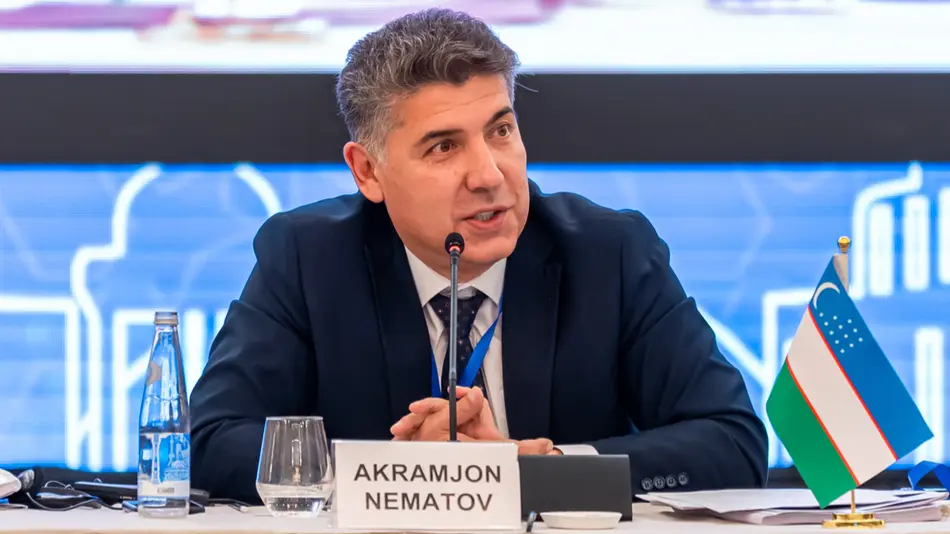
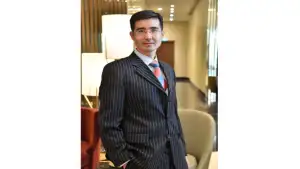
To explore the broader political significance of the event, the institutional role of the Fergana Peace Forum, the seminar’s agenda, and the growing international recognition of the region’s peacebuilding experience, we spoke with Akramjon Nematov, First Deputy Director of the Institute for Strategic and Regional Studies and a co-organizer of the initiative.
– Akramjon Ilhomovich, today Fergana is hosting an international seminar on youth peacebuilding. What is the symbolic and strategic significance of holding such a major Central Asian dialogue platform in the Fergana Valley, a region that, until little more than a decade ago, was frequently described by international analysts as an area marked by latent cross-border tensions?
– The decision to hold our seminar in Fergana carries profound symbolic significance and clearly reflects the fundamental transformations that have taken place across Central Asia in recent years. For a long time, the Fergana Valley was viewed in international policy and academic discourse primarily through the lens of cross-border frictions, complex border delimitation issues, and localized conflicts. Today, however, we are witnessing and actively contributing to - the emergence of a fundamentally new regional reality. Fergana is no longer simply a geographical location on the map; it has become a symbolic space representing a new stage in regional development. Historically, the destinies, economies, and cultures of the Uzbek, Kyrgyz and Tajik peoples have been deeply interconnected here. Holding the seminar in this very place underscores the definitive shift from perceiving the Valley as a zone of potential risk to recognizing it as a space of cooperation, trust, and a shared future. This transformation has been made possible by the consistent policy of openness, good-neighborliness, and regional dialogue pursued by the leadership of Uzbekistan. Step by step, Central Asia is moving away from the outdated logic of fragmentation and competition, replacing it with an irreversible and forward-looking model of partnership. We are investing in the young people of the Fergana Valley, which is home to nearly 17 million people almost one-fifth of Central Asia’s total population. Around 60 percent of its residents are young people. This represents an extraordinary demographic asset and a tremendous source of creative and developmental potential. Our objective is to ensure that this new generation grows up in an environment of mutual respect and understanding, where borders are viewed not as dividing lines, but as bridges for cooperation, connectivity, and shared progress.
– This seminar is being held under the auspices of the Fergana Peace Forum. Could you tell us more about this platform, its institutional role within the region’s security architecture, and how the outcomes of the current seminar will be integrated into its future agenda, particularly in light of upcoming regional events?
– Fergana Peace Forum is a landmark strategic initiative launched in 2025 at the initiative of President of Uzbekistan Shavkat Mirziyoyev. It was established through the joint efforts of Uzbekistan, Kyrgyzstan, and Tajikistan, with the active involvement of leading think tanks and civil society organizations from across the region. The Forum has become the first sustainable regional platform specifically designed to foster a deep-rooted culture of dialogue, mutual trust and shared development throughout the Fergana Valley.
Today, it is increasingly viewed as a mature institutional mechanism for shaping long-term strategies for sustainable development. The youth seminar taking place today is a direct continuation of this process and reflects one of the most significant trends that has emerged in Central Asia in recent years the strengthening of regional solidarity. The countries of the region are demonstrating to the international community their ability to address even the most sensitive issues independently, responsibly, and through constructive dialogue.
A pivotal milestone in this process was the historic Khujand Summit of the leaders of Uzbekistan, Kyrgyzstan, and Tajikistan in March 2025. During the summit, the parties signed the Treaty on the Junction Point of State Borders and the Khujand Declaration on Eternal Friendship. These landmark documents marked the completion of one of the most complex chapters of post-Soviet state-building and opened the way for a sustainable model of good-neighborly relations and regional cooperation.
The youth engagement and consolidation we are witnessing today in Fergana is not merely a reflection of these profound political transformations; it is also one of the most important instruments for ensuring that these achievements endure over the long term.
In this regard, I would like to emphasize the practical significance of the current seminar. This autumn, the next session of the Fergana Peace Forum is scheduled to take place in Khujand and will symbolically coincide with the anniversary of the adoption of the Khujand Declaration. The outcomes of today’s seminar including the proposals, policy recommendations, and roadmaps developed by young leaders will be formally presented at this high-level regional gathering. They will contribute to the development of multilateral initiatives aimed at strengthening cross-border cooperation, regional security, and humanitarian engagement throughout the region.
Ultimately, the durability of any interstate agreement depends on whether it is embraced by the next generation. What we see today is a young generation that is ready to assume this shared responsibility and help shape a common future for the region.
– The organizational structure of the seminar highlights its broad inclusiveness. In addition to ISRS, the Youth Affairs Agency, and the Fergana Regional Administration, full-fledged partners include the United Nations Regional Centre for Preventive Diplomacy for Central Asia (UNRCCA) and the OSCE Project Co-ordinator in Uzbekistan, as well as reputable European institutions. How does such a strong international dimension influence the substantive agenda of the forum?
– Institutional support from the United Nations and the OSCE, as well as the direct involvement in programme implementation of globally recognized centers such as the Geneva Centre for Humanitarian Dialogue, the PeaceNexus Foundation, and the Martti Ahtisaari Peace Foundation, ensures the highest level of professional expertise. This allows us to organically integrate advanced international practices in mediation, negotiation facilitation, and preventive diplomacy into the Central Asian context.
In particular, I would like to note the participation of the Special Representative of the OSCE Chairperson-in-Office on Dialogue and Confidence-Building Measures, Serge Rumin. Given that in 2026 the OSCE Chairmanship is held by Switzerland a country with a unique centuries-long tradition of mediation and peace promotion this gives our event a special status.
International experts are not here simply to deliver lectures. We have designed the programme in line with the logic of modern peace academies: this is not a traditional passive conference, but rather a practical school of peacebuilding. Over the course of four days, young leaders from five countries of the region will engage in interactive dialogues, negotiation simulations, and group sessions designed to build skills in constructive communication, conflict prevention, and joint problem-solving.
This international presence enables young people from Central Asia to compare and align their local experience with global trends, to feel part of a broader international intellectual community, and to understand that their voices carry weight at the highest level.
– Let us turn in more detail to the substance of the seminar. What is the agenda, which specific topics are in focus for participants, and what practical skills will young people acquire here?
– The seminar agenda is highly intensive and structured according to a carefully designed logic. The first day was fully dedicated to a deep reflection on the new political reality of the Fergana Valley following the Khujand Summit.
Subsequent sessions focus on critically important areas, including contemporary processes of regional integration, the development of public diplomacy, the expansion of cross-border mobility and digital connectivity, as well as the role of women in peacebuilding processes.
Particular attention is given to a dedicated session on climate and environmental security. Participants engage in in-depth discussions on water resource management, climate change, and sustainable environmental governance, reaching a shared understanding that environmental challenges represent a powerful unifying factor, as they cannot be addressed within national borders alone.
Another fundamental element of the agenda is the formation of a shared Central Asian identity and a sense of regional belonging among peoples of the region.
As for practical skills, this seminar functions as a true intensive training school. Young leaders undergo specialized workshops where they learn techniques of constructive dialogue, effective methods of conflict prevention and peaceful resolution, professional approaches to mediation and facilitation of complex negotiation processes. They also acquire tools for building trust between local communities, instruments of intercultural communication, and methodologies for jointly designing and implementing cross-border environmental and social projects.
In essence, we are equipping them with a real, hands-on toolkit for day-to-day constructive work on the ground.
– The seminar being held at Fergana State University appears highly symbolic. But a university is not just its classrooms it is, above all, its people. What role does the academic environment of Fergana State University play in shaping the future profile of Central Asia?
– You are absolutely right—the symbolism of Fergana State University goes far beyond simply providing lecture halls. Of course, FSU is one of the flagship institutions of higher education and science in our region, a space where intellectual potential is cultivated and developed. But the key point is that it is precisely here that the most passionate, active, and intellectually engaged youth are concentrated today.
FSU is unique in that it brings together students from all Central Asian countries without exception from Uzbekistan, Kyrgyzstan, Tajikistan, Kazakhstan and Turkmenistan. It is a truly unique melting pot, a living microcosm of our shared region.
By interacting daily in lectures, laboratories, and student dormitories, these young people are already breaking down old stereotypes, learning to understand one another, discovering common interests, and developing joint projects.
These students, equipped with advanced knowledge and a broad regional outlook, will tomorrow return to their respective countries and take up positions in government, business, academia, and civil society institutions. They will be the ones shaping the profile of a new Central Asia, setting its development agenda, and ensuring continuity in the policy of good-neighborliness.
Therefore, choosing Fergana State University as the venue is a strategic decision: we are planting the seeds of peacebuilding directly into the environment that will become the architect of our region’s future.
– It is evident that a four-day programme cannot be limited to classroom-based activities alone. How broad is the overall programme of events? Does it include cultural and humanitarian dimensions, and how is this linked to the ongoing Youth Month in Uzbekistan?
– The scope of this initiative goes far beyond a standard academic course. The timing of the seminar coincides with Uzbekistan’s large-scale Youth Month, which has enabled us to integrate participants into a vibrant and diverse cultural, educational, and civic programme.
Young leaders from Central Asian countries are given a unique opportunity to step beyond lecture halls and directly engage with the rich historical and cultural heritage, as well as the contemporary achievements, of the Fergana Valley.
The programme includes visits to the Youth Centre of Fergana City, the Digital Technologies Centre in Margilan, and the unique Scientific, Educational, and Tourism Complex named after Burhaniddin Margilani.
Guests of the region will also take part in large-scale youth festivals, hold practical meetings with young entrepreneurs and innovators of Uzbekistan and visit key historical landmarks.
This broad humanitarian agenda carries significant practical value: it is in informal settings—during joint trips and cultural activities that the strongest personal friendships are formed among young people. This fosters genuine intercultural dialogue and lays a solid human foundation for long-term good-neighborly relations between our countries.
– In May 2026, the UN General Assembly unanimously adopted two landmark resolutions initiated by countries of our region: “On the Peaceful Settlement of Border Disputes” and “Strengthening Regional Cooperation and Economic Integration for Sustainable Development in Central Asia.” How do these foreign policy achievements relate to the agenda of the ongoing seminar?
– The connection is direct and organic. The adoption of these documents is not merely a formal recognition of the diplomatic efforts of Central Asian states at the highest global level. It is a clear demonstration of the strong relevance and growing demand for our unique regional experience today, in a context marked by an unprecedented crisis of the global security architecture, heightened geopolitical turbulence, and a deep deficit of trust in international relations.
At a time when the world is searching for ways out of confrontation-driven deadlocks, the countries of the Fergana Valley are offering a proven, functioning model. The first resolution, initiated by Kyrgyzstan jointly with Uzbekistan and Tajikistan, established an important precedent for the international community: that the most complex territorial and border disputes, accumulated over decades, can and must be resolved exclusively through peaceful means on the basis of negotiations, dialogue, and mutual compromise.
It presented the international community with a successful model for addressing territorial issues without confrontation or the use of force, underscoring the growing agency of Central Asia in global affairs.
The second resolution, put forward by Uzbekistan, gave practical and economic substance to this process through enhanced transport connectivity, investment, innovation, and joint responses to shared challenges. Political rapprochement and economic integration are two sides of the same coin.
Our seminar represents a youth-level projection of these global achievements. We aim to ensure that the positive outcomes reached by our leaders at the highest level are reinforced by strong human connections on the ground. It is young people in border regions who must become the most reliable guarantors that the spirit of the Khujand Agreements and the principles enshrined in the UN resolutions will become an irreversible everyday practice of good-neighborliness.
– What place does the seminar launched in Fergana occupy in the context of the global youth initiatives of President of Uzbekistan Shavkat Mirziyoyev, and how are these initiatives transforming the architecture of international youth diplomacy?
– The “Cross-Border Young Peacebuilders Initiative” is a direct practical embodiment of the President of Uzbekistan’s broad foreign policy vision in the field of youth policy. In recent years, our country has emerged as one of the recognized global drivers of the youth agenda within the United Nations framework.
One can recall Uzbekistan’s consistent promotion of the initiative to develop a UN International Convention on Youth Rights, the establishment of the Group of Friends on Youth Rights, and the organization of the World Conference, the outcome of which was the Tashkent Youth Declaration—now formally integrated into the records of the UN General Assembly and the Human Rights Council. Each of these initiatives has gradually laid the international legal foundations for the protection of the rights of the younger generation on a global scale.
A fundamentally new stage of this strategy was marked by President Shavkat Mirziyoyev’s initiative, presented at the 80th session of the UN General Assembly, to establish a World Youth Movement for Peace. This represents a qualitative shift: whereas the Convention is aimed at protecting youth rights, the World Movement is designed to empower young people with the tools to actively contribute to international peace and security.
In this regard, we see our Fergana seminar as one of the first practical pilot platforms for testing this global concept at the regional level. We are nurturing in Fergana a new generation of regional leaders for whom peace, trust, and solidarity are not abstract slogans from textbooks, but a natural and conscious foundation of their everyday work and long-term shared development in Central Asia.
As I have already noted, the set of practical recommendations and initiatives developed here will make a direct contribution from youth to the agenda of the upcoming Fergana Peace Forum in Khujand this autumn, thereby affirming the status of the younger generation as co-authors of regional security.

Latest News
See all