Uzbek exporters briefed on New European Union requirements under the DPP framework
March 24, 2026. 14:53 • 2 min
• 971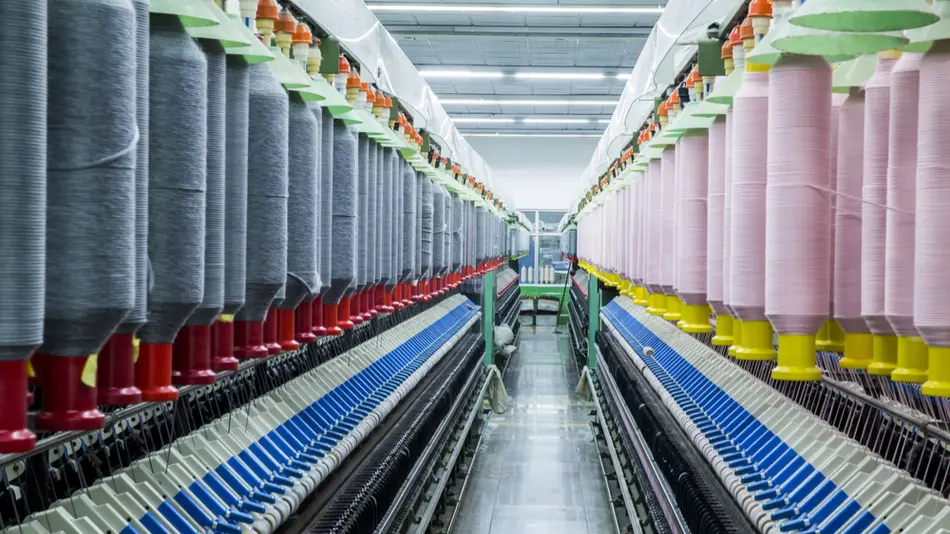
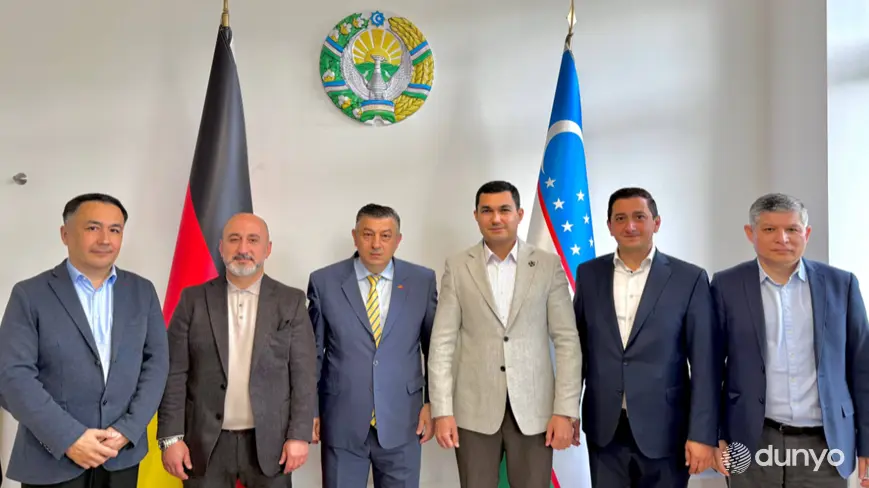
RIGA, March 24. /Dunyo IA/. Embassy of Uzbekistan organized an online training session with the participation of experts from the company “Fluxy.One” and entrepreneurs in the textile industry of the country, reports Dunyo IA correspondent.
During the event, participants were provided with information on the Digital Product Passport (DPP) being introduced in the European Union, as well as the new requirements established for textile manufacturers.
At present, “Fluxy.One” (a partner solution of GS1 Belgium-Luxembourg), which operates as a provider of digital product passport solutions in Europe, has opened its representative office in Uzbekistan in cooperation with LLC “Trade House Export”.
This collaboration is aimed at developing a digital infrastructure in line with the new requirements of the European Union. In particular, under the framework of the “Ecodesign for Sustainable Products Regulation” (ESPR), phased implementation of the DPP system is envisaged for selected categories of products.
During the event, participants discussed key aspects of the implementation of the Digital Product Passport (DPP) system, including supply chain transparency, compliance with environmental standards, product traceability and sustainability requirements.
It was also highlighted that, in the absence of a digital product passport after these requirements come into force, opportunities for exporting goods to the European Union may be significantly restricted.
It should be noted that the implementation of the Digital Product Passport (DPP) system is already regarded as a strategic competitive advantage for enterprises exporting textile and apparel products, iron and steel, aluminum, construction materials, furniture, electronics, and electrical equipment to the European Union. From 2027 onwards, following the entry into force of the relevant requirements, the availability of a DPP will become a mandatory condition for access to the European market.
Following the meeting, the parties agreed to further develop cooperation, as well as to organize additional advisory and educational activities for Uzbek enterprises.

Latest News
See all
Read also
Diplomats of Uzbekistan and the management of the largest commercial bank in the UAE discuss promising areas of cooperation