Uzbekistan presents achievements in implementing SDG 6 and advancing the Global Water Agenda to the International Community at UN Headquarters
July 10, 2026. 16:00 • 4 min
• 61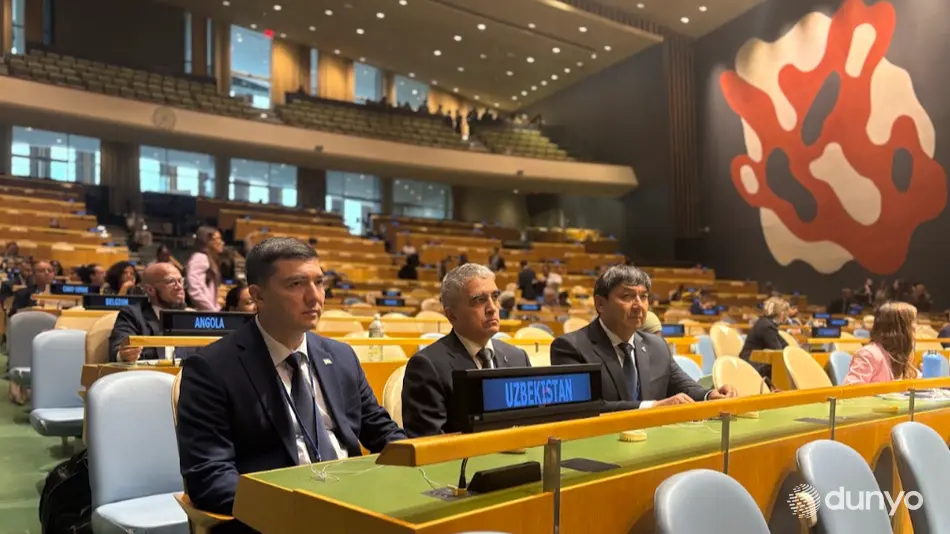
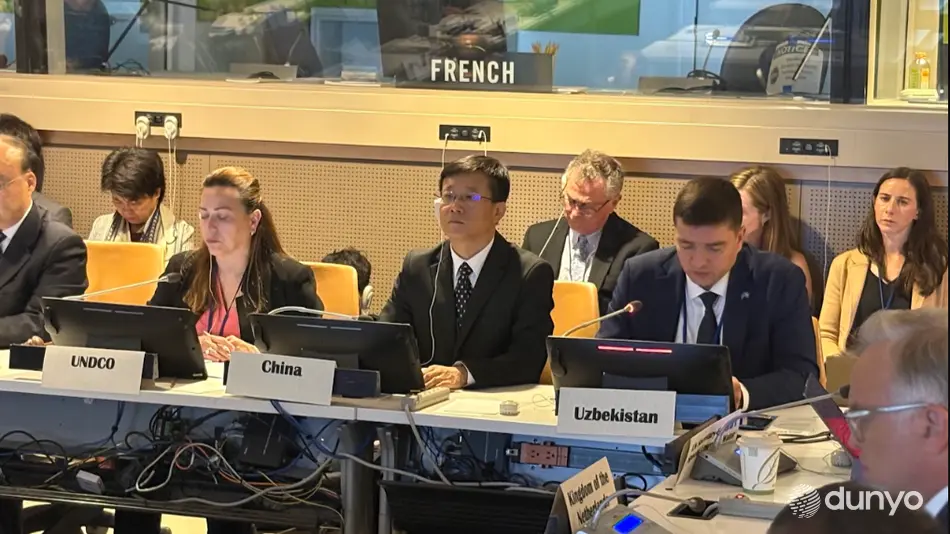
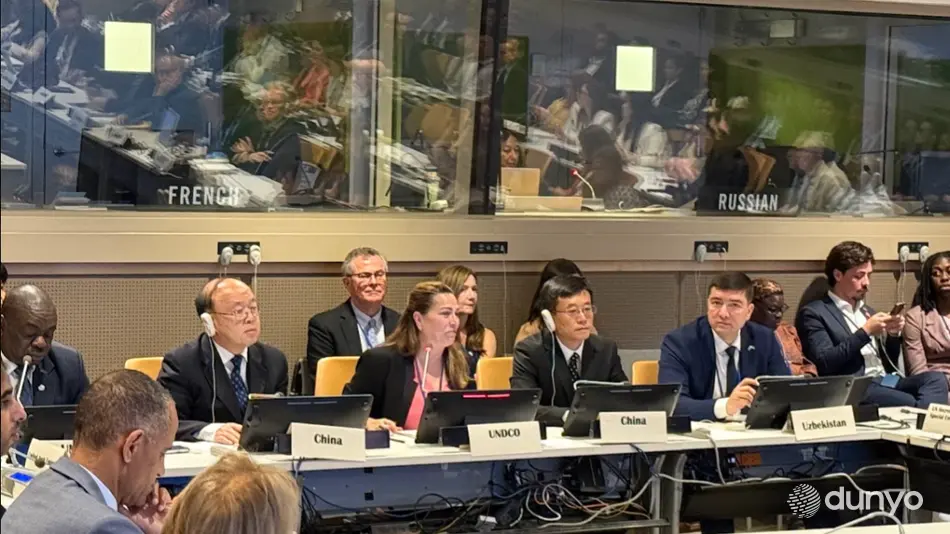
NEW YORK, July 10. /Dunyo IA/. A High-Level Special Event on achieving Sustainable Development Goal 6 (Clean Water and Sanitation) was held at the UN Headquarters, reports Dunyo IA correspondent
During the event, the fifth edition of the Compendium of National Cases on Accelerating the Achievement of SDG 6 was presented, featuring practical examples of successful state policy. Along with the cases of China and São Tomé and Príncipe, the national case of Uzbekistan was included among the best international practices, reflecting the country's achievements in implementing SDG 6 and its effective approaches to water resource management.
Delegation of Uzbekistan, led by the Deputy Head of the Presidential Administration Timur Butunbaev, presented the country's comprehensive reforms and practical results in water resource management, providing the population with safe drinking water, implementing water-saving technologies, digitizing the industry and developing regional cooperation.
It was noted that under the leadership of the President of Uzbekistan Shavkat Mirziyoyev, the rational use of water resources has become one of the key areas of state policy. Large-scale institutional and legislative reforms have been carried out in the country, including the creation of the Ministry of Water Resources, adoption of a new Water Code and the implementation of the Water Resources Development Strategy until 2030
Particular emphasis was placed on the achieved results. Over the past few years, the volume of investment in the drinking water supply system has increased tenfold. More than half of the population has gained access to improved water supply and sanitation services due to the development of centralized drinking water supply systems and modern sewage infrastructure.
Significant progress has also been made in water conservation. While modern water-saving technologies were applied to less than one percent of irrigated land prior to 2017, today they cover more than 2.6 million hectares, representing over 60 percent of all irrigated areas in the country. By 2030, it is planned to ensure their implementation across the entire area of irrigated land.
Due to the modernization of irrigation infrastructure, introduction of digital solutions and the improvement of management efficiency, annual water savings already reach approximately 11 billion cubic meters. By 2030, this figure is planned to increase to 15 billion cubic meters.
During the speech, Uzbekistan's achievements in attaining the SDGs were also noted. According to the Sustainable Development Report 2025, prepared by the Sustainable Development Solutions Network (SDSN), Uzbekistan rose to 62nd place in the global ranking, improving its position by 19 points at once. Furthermore, the country was recognized as the state that has achieved the highest rate of progress in attaining the SDGs among the countries of Central Asia and Eastern Europe.
A separate emphasis was placed on the role of Uzbekistan in strengthening regional cooperation on transboundary water resources. It was underscored that due to the initiatives of the President of Uzbekistan, a new atmosphere of trust and constructive interaction has formed in Central Asia, and the Consultative Meetings of the Heads of State of the region have become an effective platform for the joint resolution of water issues.
It was also noted that starting from 2027, Uzbekistan will assume the chairmanship of the International Fund for Saving the Aral Sea, paying special attention to the promotion of joint regional projects in the water, ecological and socio-economic spheres.
Work of Uzbekistan on developing human resource capacity in the water sector was also presented. In particular, the Tashkent Institute of Irrigation and Agricultural Mechanization Engineers trains specialists from 16 states of the world, including a master's program in international water diplomacy. More than 90 thousand specialists and farmers have already completed training at the National School of Water Specialists.
It was noted that in 2025–2026, Uzbekistan successfully organized a number of major international events, including the Tashkent Water Week and the first Tashkent Women's Water Week. A continuation of this work will be the hosting of the World Water Conservation Forum in ancient Samarkand in the autumn of this year.
Uzbekistan confirmed its readiness to further actively develop international cooperation, exchange advanced experience, and, together with international partners, promote practical solutions aimed at achieving Sustainable Development Goal 6 and ensuring water security for present and future generations.
It was specially emphasized that only through strengthening interaction, increasing investment, expanding technology transfer, and mutual trust can countries achieve SDG 6 and ensure water security for future generations.

Latest News



See all