View from Budapest: Uzbekistan views various regional formats as complementary tools for promoting national and regional interests
October 18, 2026. 12:30 • 3 min
• 51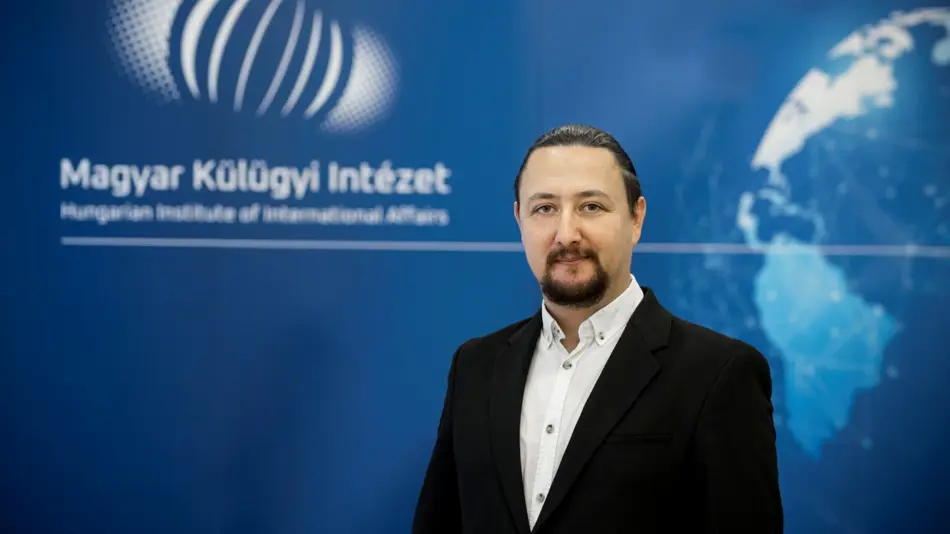
BUDAPEST, October 18. /Dunyo IA/. Sándor Seremet, Senior Research Fellow at the Hungarian Institute of International Affairs (HIIA), commented in an interview with Dunyo IA on the outcomes of the working visit of the President of Uzbekistan to Turkmenistan on October 7–9th:
- Visit of the President of Uzbekistan Shavkat Mirziyoyev to Turkmenistan is of significant importance in the context of the ongoing transformation of regional cooperation in Central Asia. The participation of the Head of State in the Consultative Meeting of the Heads of State of Central Asia and Azerbaijan, as well as in the CIS Summit, demonstrated the complementarity of various formats of multilateral interaction.
Expansion of the Consultative format through the full participation of Azerbaijan is of particular significance. For the states of the region, this country represents a vital link ensuring access across the Caspian Sea to the South Caucasus, Türkiye and European markets. In this context, a special role belongs to the European Union, which is one of the largest trade, economic, and investment partners of Central Asia and is interested in strengthening the region's transport connectivity. Through its “Global Gateway” initiative, the EU supports the development of the Middle Corridor, as well as energy and digital infrastructure. Deepening cooperation between Central Asia and Azerbaijan creates additional opportunities for expanding European investments and strengthening a long-term, mutually beneficial partnership with the EU.
At the same time, interaction with Azerbaijan is gradually moving beyond transit alone. Joint investment funds, industrial cooperation, and the prospects for exporting green electricity are creating the preconditions for closer economic interaction. The formula proposed by the President of Uzbekistan, “six economies – one product”, should be viewed precisely within this context.
This initiative reflects a transition from traditional mutual trade to the formation of regional production value chains. The proposal to host the “Central Asia – Azerbaijan” Business Forum in Khiva in 2027 and to establish a financial and technical support mechanism for joint projects is aimed at the practical implementation of this approach.
Equally important are Tashkent's proposals for coordinating transport infrastructure, developing energy cooperation, and ensuring the rational use of water resources and critical minerals. They are united by the understanding that the economic potential of the region cannot be fully realized solely through national efforts. The effectiveness of these initiatives will depend on the alignment of state interests, the attraction of investments and the consistent implementation of the agreements reached.
The second important dimension of the visit was the participation in the CIS Summit. The address by Shavkat Mirziyoyev demonstrated Uzbekistan's interest in preserving and developing existing economic ties. The proposals to eliminate trade barriers, develop joint manufacturing, unify transport regulations, and strengthen food security underscore the pragmatic nature of the cooperation. The upcoming chairmanship of Uzbekistan in the CIS in 2027 assumes particular significance.
The outcomes of the visit reflect Tashkent's consistent approach to multilateral diplomacy and its multi-vector foreign policy agenda. Uzbekistan views various regional formats not as mutually exclusive blocs, but as complementary tools for promoting national and regional interests.

Latest News
See all
Read also
View from Ankara: Uzbekistan’s Multilateral Diplomacy promotes strengthening of ties between Central Asia and South Caucasus
Baku CICA Summit to set priorities for strengthening regional security and advancing future development