Foreign Journalists Explore Uzbekistan’s Culture and History
January 09, 2026. 18:46 • 2 min
• 187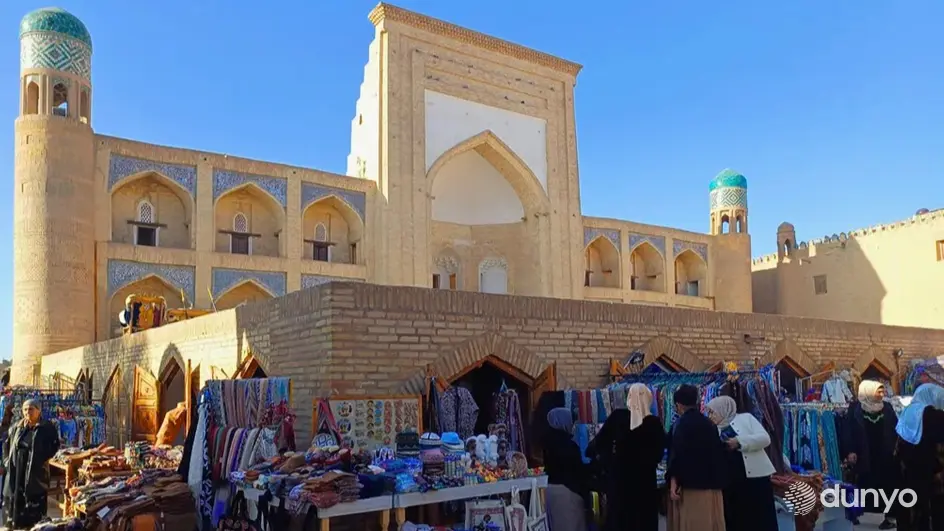
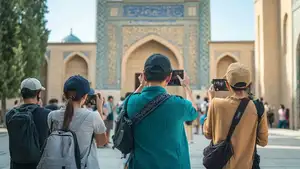
BUDAPEST, January 10. /Dunyo IA/. Journalists and bloggers from around the world took part in a ten-day press tour across Uzbekistan, organized by TITF Media Campus and the Tourism Committee, reports Dunyo IA correspondent, citing the online publication “Daily News Hungary”.
The itinerary covered Tashkent, Samarkand, Bukhara, and Khiva, allowing participants to experience the vastness of a country where history intertwines with modernity, and each generation leaves its mark on architecture and culture.
The first stop on the itinerary was the country’s capital, Tashkent. Rebuilt after a devastating earthquake, the city impresses with its mix of tree-lined streets, Soviet-era residential districts, and historic complexes such as Hazrati Imam and Suzuk-Ota.
“Life in the capital, despite Muslim traditions, appears quite relaxed: shops selling alcohol can be found, and women observe only basic rules when visiting mosques”, the publication notes. “The participants were particularly drawn to the local bazaars, where silk, spices, and freshly squeezed pomegranate juice became symbols of authentic Uzbek culture”.
It is noted that Samarkand, whose history dates back to the time of Alexander the Great, emerges as a “Pearl of the East.” Registan Square, with its three madrasahs from the 14th-17th centuries, showcases the grandeur of the Timurid era, while the Ulugh Beg and Sherdor madrasahs reflect a high culture of education and architecture. The city preserves a vibrant blend of tradition and modernity, where everyday life coexists with historic monuments and contemporary enterprises, including wineries and breweries.
“The press tour concluded with a tasting of traditional plov, symbolizing the country’s gastronomic and cultural identity. Participants noted that each location requires time and patience to fully appreciate: Uzbekistan reveals itself gradually, city by city, offering not only visual impressions but also a deep understanding of the history, traditions, and mindset of Central Asia”, the Hungarian publication concludes.

See all