United Nations raises alarm on intensifying Global Water Crisis
January 03, 2026. 10:00 • 2 min
• 2485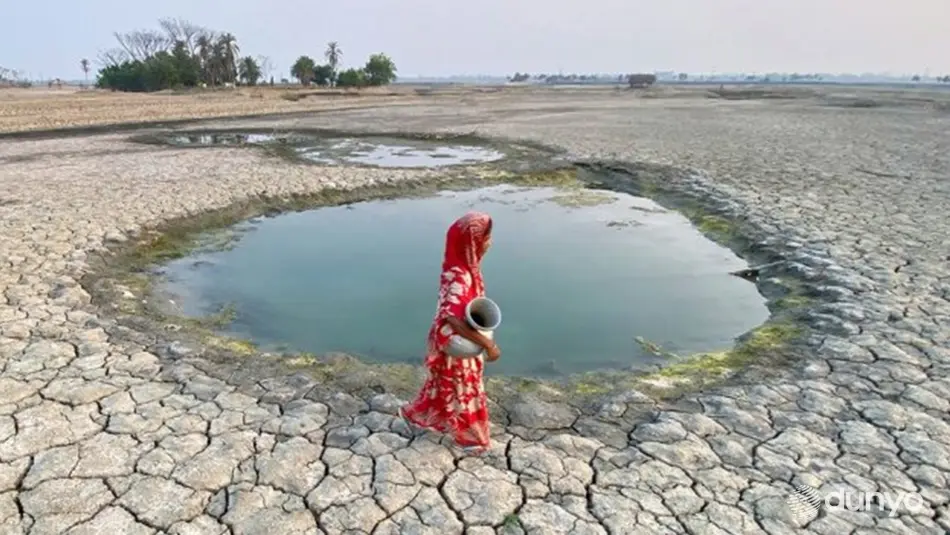
TASHKENT, January 3. /Dunyo IA/. The availability of renewable water resources per capita continues to decline worldwide, having fallen by another 7% over the past decade, reports Dunyo IA correspondent.
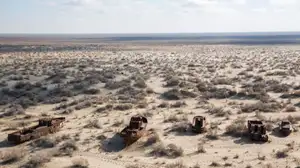
According to the National Information Agency of Tajikistan “Khovar”, citing data from the Food and Agriculture Organization of the United Nations (FAO), the discussion concerns freshwater resources that are naturally replenished each year through the hydrological cycle. FAO reports that since 2015, Central Asia has lost 12% of its per capita renewable water resources - one of the highest rates in the world.
To assess water scarcity, FAO experts use the “water stress” indicator, which measures the ratio of water withdrawals to available resources. In Central Asia, high water stress is largely due to the structure of water use: 82% of all water withdrawals in the region are for agriculture.
At the same time, FAO notes positive trends. The total volume of freshwater withdrawals in Central Asia has decreased by 9% - from 123 million cubic meters in 2015 to 112 million cubic meters in 2022. Over the same period, the water stress level fell from 76.8% to 70.2%, representing an 8.6% reduction in pressure on water resources.
FAO’s review highlights that freshwater pressure is increasing globally. In 2022, the average water stress level worldwide reached 18%, though some regions face much higher levels:
North Africa — 121%
South Asia — 76.7%
Central Asia — 70.2%
West Asia — 65.1%
A high level of water stress means that annual water withdrawals are approaching or exceeding natural replenishment, creating serious risks for the sustainability of aquatic ecosystems and economic development.
FAO emphasizes that agriculture remains the largest water consumer globally. In contrast, Europe and North America use only 34% of water resources for agriculture, yet these regions account for nearly half of global industrial water withdrawals - 47%.
Despite some improvements in water use efficiency, including in Central Asia, high water stress in arid regions underscores the need for long-term adaptation and sustainable water resource management.


See all