View from Moscow: India fits well into Uzbekistan’s multi-vector foreign policy
September 01, 2026. 14:00 • 2 min
• 809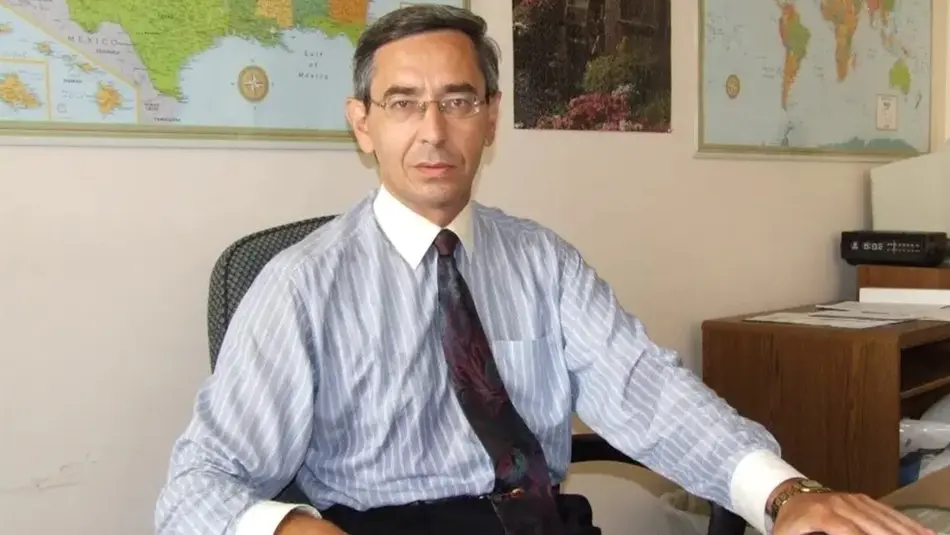
MOSCOW, September 1. /Dunyo IA/. Associate Professor at the Faculty of International Relations of the Russian State University for the Humanities, Yury Sigov, commented to Dunyo IA on the results of Prime Minister of India Narendra Modi’s state visit to Uzbekistan on August 29–30:
— As is known, during Prime Minister Narendra Modi’s visit, the two sides held talks in both restricted and expanded formats, discussing further deepening of the strategic partnership and the development of bilateral cooperation. The talks resulted in the signing of a Joint Statement and a number of bilateral documents.
In this regard, beyond the traditional elements of high-level visits, it is worth highlighting both the significant intensification of India’s foreign policy focus on Central Asian countries and the growing interest of the countries of the region themselves in expanding ties with India. Three factors, in my view, will be particularly important here.
First, India is not merely an important and beneficial partner for Tashkent, but also one of the world’s oldest civilizations. The two countries share civilizational foundations for expanding modern bilateral ties, making Tashkent and New Delhi natural and mutually beneficial partners.
Second, India is the closest geographical neighbour to the entire Central Asian region. It takes only two hours to fly from New Delhi to Tashkent – less than from Moscow or Beijing. Therefore, the potential for expanding mutually beneficial contacts between the two countries is more than realistic.
Third, India fits well into Tashkent’s multi-vector foreign policy, which seeks to maximize the benefits of expanding partnerships with all major global powers.
For India as well, expanding ties with Uzbekistan is highly beneficial, providing a certain counterbalance across the Central Asian region amid the presence of other countries here.

Latest News

See all
Read also
View from Austria: Uzbekistan revives its role as a crossroads of civilizations through a new format of cooperation with South Korea

View from Moscow: Visit of the President of Uzbekistan to Seoul confirms Tashkent's course toward expanding the circle of technological and investment partners