View from Ankara: An expanding mutual interest takes shape between Uzbekistan and South Korea
September 17, 2026. 17:30 • 3 min
• 940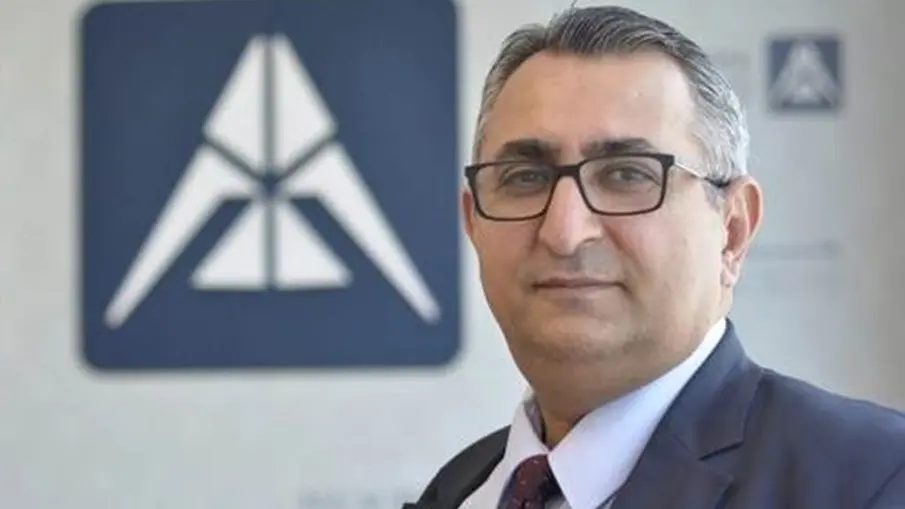
ANKARA, September 17. /Dunyo IA/. President of the Ankara Center for Crisis and Policy Studies (ANKASAM), Professor Mehmet Seyfettin Erol, commented for Dunyo IA on the outcomes of the state visit of the President of Uzbekistan to South Korea, which took place on September 13–16th:
- Today, relations between Uzbekistan and South Korea can no its longer be reduced merely to trade, investment or individual economic projects. An expanding mutual interest is forming between the two countries, encompassing technology, industry, education, human resources training and new dimensions of economic cooperation.
At the same time, Uzbekistan is one of the most important partners of the Republic of Korea in the region. The country possesses a large domestic market, a growing industrial sector and a young population. Concurrently, Tashkent is interested in acquiring technologies, knowledge, and practical experience alongside investments.
I would also draw attention to the transformation in the very substance of economic cooperation. Increasingly, the focus is shifting toward artificial intelligence, digital technologies, modern manufacturing, vocational education, and human resources training. Today, Uzbekistan is addressing many similar objectives – modernizing industry, developing the digital economy and expanding cooperation with foreign enterprises. Therefore, the South Korean experience holds not only investment but also technological interest for Tashkent.
Furthermore, I would not limit the assessment of these developments solely to Uzbek-South Korean relations. Looking at Central Asia more broadly, it becomes evident that interest in the region is growing from virtually all major economic centers. The United States, China, the European Union, Russia, Turkiye, South Korea, the Gulf states and other nations are seeking new opportunities for cooperation here.
For the Central Asian countries themselves, this creates new opportunities. Here, I would particularly note the role of the Uzbek leader, Shavkat Mirziyoyev, who consistently advocates for strengthening ties between the nations of Central Asia and developing their joint initiatives. Under his leadership, Tashkent actively supports regional convergence, the expansion of trade, transport links and economic interaction. This helps the countries of the region to more closely coordinate their interests and strengthen their positions in relations with external partners.
It is precisely against the backdrop of this regional convergence that I view the first “Central Asia – Republic of Korea” summit as the beginning of a new stage. The very fact of holding such a meeting at the level of leaders demonstrates that relations between South Korea and Central Asia are acquiring a more systemic character. It is also important to me that the countries of the region participate here not in isolation, but as a space possessing shared economic interests and oriented toward long-term cooperation with Seoul.
Now, much will depend on the practical continuation of this meeting. The significance of the summit is determined not by the number of talks held and documents signed, but by the specific projects that will emerge after it, how many new manufacturing facilities will be established, what technologies will enter the region and how many young specialists will have the opportunity to work with them.

Latest News



See all
Read also
“Rzeczpospolita” Newspaper: Tashkent to become a major technology and financial hub in Central Asia
View from Baku: Uzbekistan strives for an Increasingly Active Participation in shaping the global agenda