Attitude from Türkiye: Uzbekistan’s diplomatic engagement is emerging as a key driver of a new Eurasian Cooperation Architecture
July 04, 2026. 13:00 • 3 min
• 253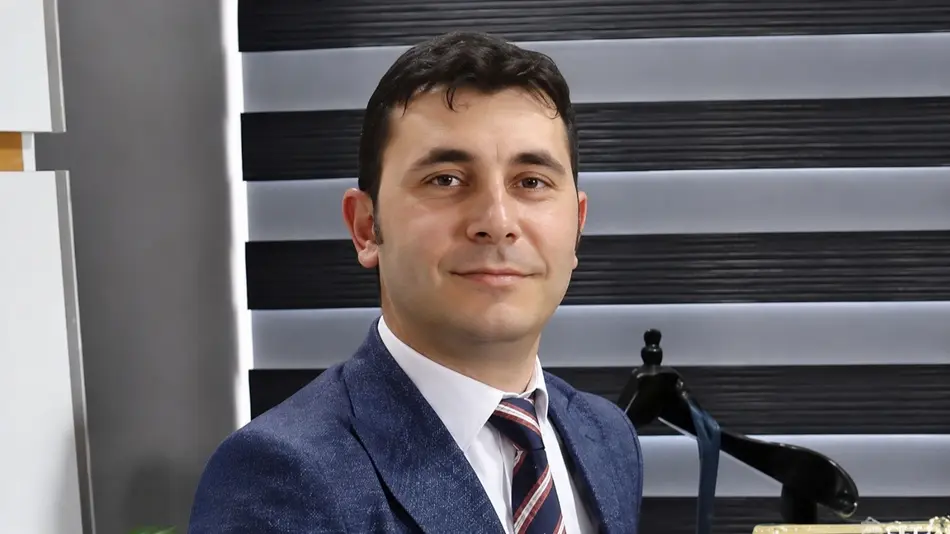
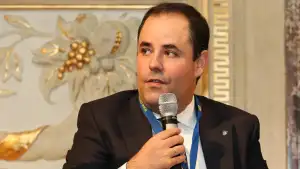
ANKARA, July 4. /Dunyo IA/. Yunus Emre Kanat, Chairman of the Board of the Center for Strategic Research and Development, commented for Dunyo IA on the outcomes of the state visit of the President of Uzbekistan Shavkat Mirziyoyev to Georgia on July 2–3:
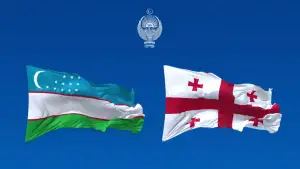
- Each foreign visit by President Shavkat Mirziyoyev becomes a subsequent milestone in the history of Uzbekistan's modern diplomacy. The state visit to Georgia clearly demonstrated how consistently Tashkent is expanding its circle of strategic partners and strengthening its position as one of the most active participants in regional integration processes.
The official welcoming ceremony at the Orbeliani Palace in Tbilisi itself demonstrated the high level of relations between the two states. In diplomatic practice, such details hold special significance they reflect mutual trust and political readiness to elevate cooperation to a qualitatively new level.
Visit is given special symbolism by the fact that it is the first state visit by a President of Uzbekistan to Georgia in the last 23 years. During this time, not only has Uzbekistan itself changed, but also its foreign policy. Today, the country pursues a course towards openness, economic interconnectedness, and the development of long-term partnerships, which is clearly visible in the substance of the negotiations between the leaders of the two states.
From a Turkish perspective, it is particularly important that the discussions centered not on political declarations, but on practical areas of cooperation. The development of transport routes through the ports of Poti and Batumi, increasing mutual trade, industrial cooperation, digital technologies, energy, agriculture, pharmaceuticals, and tourism it is precisely this pragmatic agenda that defines the effectiveness of modern diplomacy today.
It is also telling that relations are already backed by concrete results. The volume of bilateral trade has reached around 270 million dollars, the activities of joint ventures are expanding, air traffic between Tashkent, Tbilisi, and Batumi is developing, and humanitarian projects are being successfully implemented, including the Days of Culture of Georgia in Uzbekistan. All this indicates that cooperation goes far beyond the framework of political dialogue.
For Türkiye, development of Uzbek-Georgian relations holds special significance. Ankara views Central Asia and the South Caucasus as interconnected regions, where strengthening economic and transport ties contributes to the stability of the entire Eurasian space. In this context, the intensification of dialogue between Tashkent and Tbilisi is a positive signal for the implementation of major logistical and infrastructural projects, including the further development of the Middle Corridor.
Invitation to the President of Georgia, Mikheil Kavelashvili, to visit Uzbekistan became a logical conclusion to the negotiations and evidence that both sides are aimed not at one-off contacts, but at forming a sustainable strategic partnership.
Today, it can already be said that Uzbekistan's diplomatic activity is becoming one of the factors shaping a new architecture of cooperation in Eurasia. And the state visit to Georgia became another convincing confirmation that the foreign policy of President Shavkat Mirziyoyev is consistently turning the country into one of the key centers of regional cooperation.

Latest News
See all
Read also

Attitude from Saint Petersburg: Unveiling of Alisher Navoi Monument in Tbilisi reflects deep respect for Uzbekistan’s history and culture