Bukhara hosts another meeting of the Dialogue of Women Leaders of Central Asian Countries and Azerbaijan
May 14, 2026. 17:55 • 6 min
• 58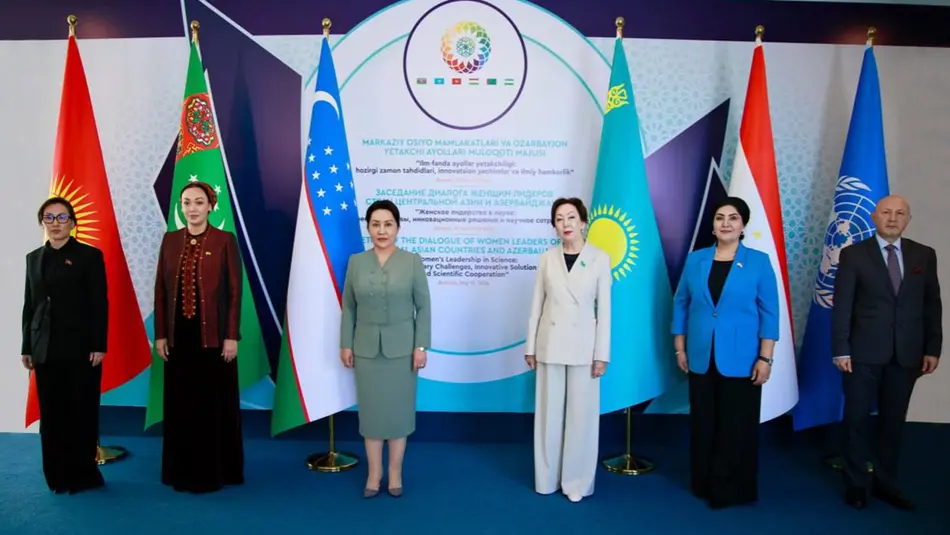
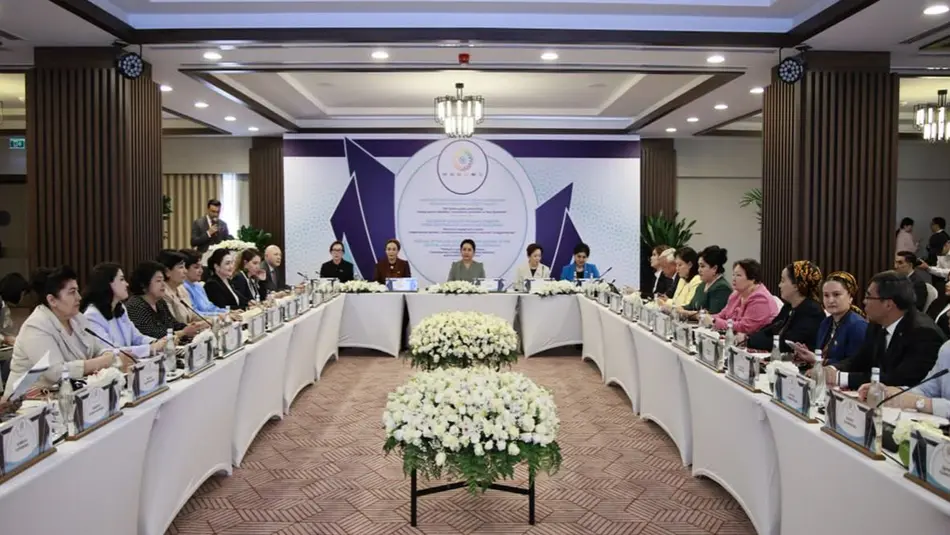
TASHKENT, May 14. /Dunyo IA/. Another meeting of the Dialogue of Women Leaders of Central Asian Countries and Azerbaijan was held yesterday in Bukhara, reports Dunyo IA correspondent.
According to the information service of the Senate, the event brought together senior officials from the countries of Central Asia and Azerbaijan, including the heads of the parliaments of Uzbekistan, Azerbaijan, and Turkmenistan, as well as deputy speakers of the parliaments of Kazakhstan, Kyrgyzstan, and Tajikistan. Representatives of specialized UN structures, including the UN Regional Centre for Preventive Diplomacy for Central Asia and UN Women, also took part in the meeting.
This format of cooperation was established in December 2020 at the initiative of Uzbekistan as an informal regional platform aimed at supporting women in the region, enhancing their political, economic, and social roles, and expanding their opportunities.
In 2021, Uzbekistan chaired the Dialogue. Over a short period, the Dialogue of Women Leaders of Central Asian Countries has established itself as an important informal coalition of women committed to promoting gender equality and sustainable development, as well as strengthening solidarity and practical cooperation among women across the region.
Since the establishment of the Dialogue, a series of meetings have been held, during which participants discussed a wide range of pressing issues related to ensuring gender equality, expanding women’s rights and opportunities, as well as prospects for regional cooperation in this area.
This year, Uzbekistan is once again chairing the Dialogue. The accession of Azerbaijan to the Dialogue format this year is expected to further strengthen regional unity and expand mutually beneficial partnership.
The meeting was opened by the Chairperson of the Senate of the Oliy Majlis of Uzbekistan, Tanzila Narbaeva. In her remarks, she emphasized the importance of ongoing efforts in the region aimed at increasing women’s socio-political engagement, supporting their potential, and strengthening their role in public administration.
It was underlined that women’s solidarity within the framework of the Dialogue is making an increasingly significant contribution to the development of the participating countries by promoting the active involvement of women in regional integration and interstate cooperation processes.
The current meeting of the Dialogue of Women Leaders of Central Asian Countries and Azerbaijan focused on the topic of women’s leadership in science, contemporary challenges, innovative solutions, and scientific cooperation.
Heads of delegations, representatives of the scientific and expert community, women scientists from Central Asian countries and Azerbaijan, as well as representatives of international organizations, took part in the discussions on the agenda. In their remarks, they shared views regarding the Dialogue’s priorities and objectives for the current year.
Participants of the Dialogue expressed a common view on the importance of further developing cooperation within the framework of the platform.
On the same day, within the framework of the meeting of the Dialogue of Women Leaders of Central Asian Countries and Azerbaijan, a forum of women scientists was held under the theme “Women’s Leadership in Science: Modern Challenges, Innovative Solutions, and Scientific Cooperation.”
It was noted that the forum holds special significance as a platform bringing together immense intellectual potential, historical proximity, and a shared future. The countries of the region are united by the traditions of the Great Silk Road, common challenges, and aspirations for sustainable development.
Speakers emphasized that issues related to the development of science, innovative technologies, and artificial intelligence regularly occupy an important place on the agenda of the Consultative Meetings of the Heads of State of Central Asia and Azerbaijan. In this context, the role of women as researchers, innovators, and leaders of scientific progress is becoming increasingly important for the implementation of agreements reached at the highest level.
Today, the world is facing large-scale challenges, including climate change, water scarcity, rapid digital transformation, and new threats in healthcare and other sectors. It was stressed that addressing these complex challenges is impossible without scientific research, innovative approaches, and the training of highly qualified specialists.
The forum brought together representatives of the scientific and expert communities, women scientists from Central Asian countries and Azerbaijan, as well as international organizations, with the aim of creating a sustainable platform for scientific cooperation and dialogue among women scientists of the region, exchanging experience, and developing joint solutions to promote collaborative research, innovative projects, and the strengthening of women’s leadership potential in science.
Speakers noted that under current conditions, the countries of the region face common challenges related to scientific development, the introduction of innovations, the training of scientific personnel, and the strengthening of research infrastructure.
Participants exchanged views on the role of women in the development of science and innovation, support for women scientists, and the expansion of their participation in the scientific sphere. It was emphasized that creating favourable conditions for their professional realization is an important factor for the sustainable development of the countries of the region.
The forum featured two panel sessions. The first focused on opportunities and prospects for regional development through the use of scientific achievements and innovations. Discussions addressed the development of the scientific potential of regional countries, the expansion of the innovation ecosystem, the strengthening of scientific and technological cooperation, and the enhancement of women’s role in scientific and research activities.
Particular attention was paid to the use of science as a tool for economic diversification, the development of technological partnerships among regional countries, the improvement of mechanisms for financing science, and the creation of an effective innovation infrastructure.
Participants also discussed prospects for training a new generation of researchers through the education system, measures of state support for young people in science, and the development of interregional academic and scientific exchange programs.
During the second panel session, participants addressed issues related to sustainable development, ecology, artificial intelligence, cultural heritage, and public health.
Particular attention was paid to the development of green technologies and the introduction of environmentally sustainable solutions aimed at reducing negative environmental impact and ensuring ecological security for future generations. The discussions also covered prospects for the application of artificial intelligence in scientific research, education, healthcare, and public administration. It was emphasized that modern digital technologies are becoming an important tool for accelerating scientific progress and innovative development.
Special focus was also placed on promoting science among young people, developing mentorship systems for students, master’s degree candidates, and doctoral researchers, as well as formulating proposals to eliminate institutional and social barriers faced by women in science.
Participants of the forum stressed the importance of combining the scientific, intellectual, and technological potential of the countries of Central Asia and Azerbaijan in order to achieve sustainable development goals, expand scientific cooperation, and shape an innovative future for the region.
Following the forum, a Joint Communiqué was adopted, providing for the implementation of the proposals and recommendations put forward, including the establishment of the regional network of women scientists, SheScience Central Asia, which is expected to serve as a mechanism for strengthening scientific cooperation and promoting joint research across the region.

Latest News
See all