Experts of Uzbekistan and Kyrgyzstan Discuss Regional Identity of Central Asia
July 23, 2026. 11:30 • 4 min
• 90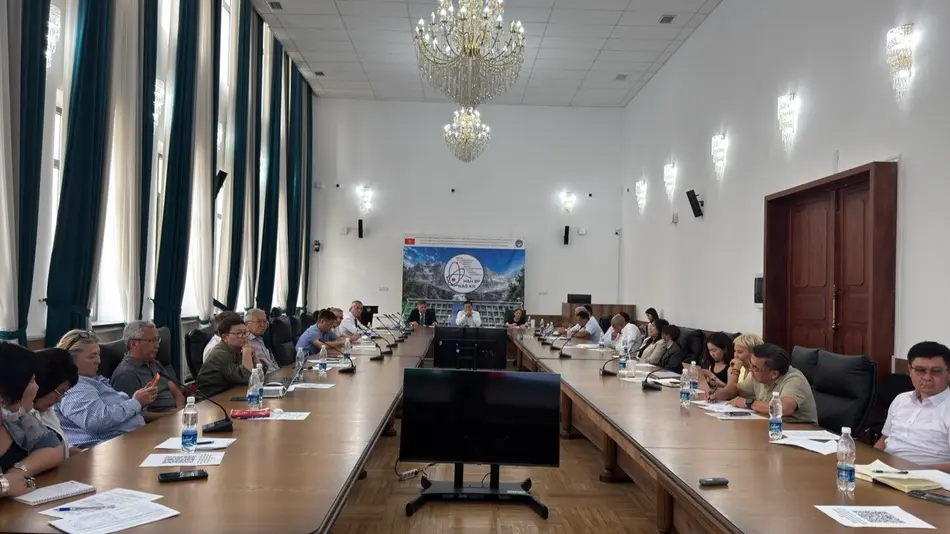
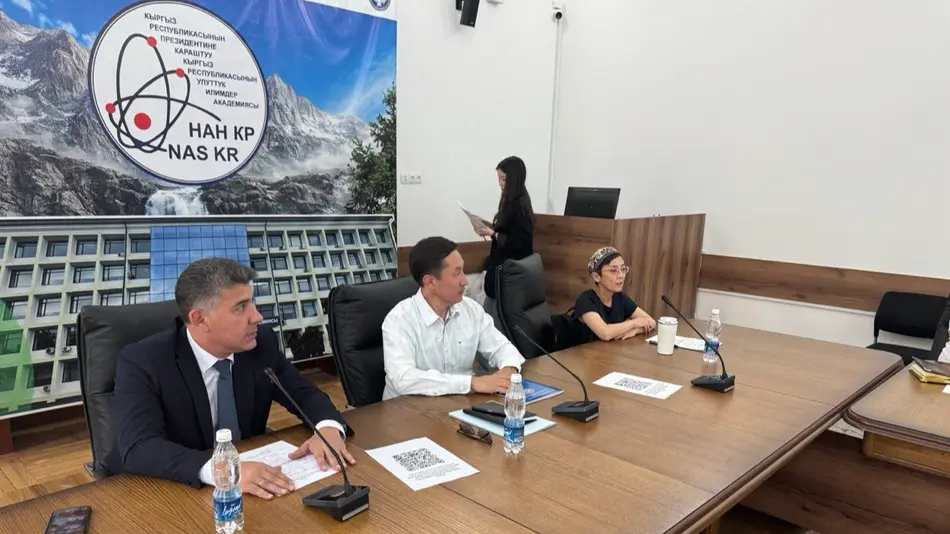
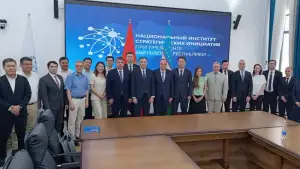
BISHKEK, July 23. /Dunyo IA/. An expert seminar on the shaping and strengthening of regional identity of Central Asia was held in Bishkek on July 22 as part of the visit of the Uzbekistan delegation to Kyrgyzstan, reports Dunyo IA correspondent.
The seminar focused on discussing the draft Concept for the Shaping and Strengthening the Regional Identity of Central Asia.
The event was organized jointly by the Institute for Strategic and Interregional Studies under the President of Uzbekistan (ISRS), the National Institute for Strategic Initiatives under the President of Kyrgyzstan (NISI), and the Swiss “PeaceNexus” Foundation.
In his remarks, First Deputy Director of the ISRS Akramjon Nematov emphasized that Central Asia has entered a qualitatively new stage of development, characterized by an unprecedented strengthening of trust, expanding interconnectedness, and the consistent removal of barriers between the region’s states.
He noted that the high level of consolidation, cohesion, and good-neighborly relations achieved in recent years has become a fundamental factor for the region’s sustainable development. According to him, the growing role of Central Asia and its increasing international standing represent a significant competitive advantage on the global stage amid current international instability.
At the same time, Akramjon Nematov stressed that the true significance of these profound transformations lies within the region itself – in ensuring lasting peace and stability. The primary beneficiaries of regional rapprochement are the peoples of Central Asia, for whom open borders, joint economic projects, transport corridors, and cultural dialogue create new opportunities in everyday life.
According to the representative of the ISRS, ensuring that these positive trends become irreversible requires giving long-term sustainability to the agreements already achieved. The region’s future development depends on the extent to which the processes of rapprochement are supported by society itself.
In this context, he underlined the importance of actively strengthening regional identity and fostering a shared sense of belonging and collective responsibility for the future of the entire region. The practical significance of this process lies in recognizing a simple truth: peace, security, and economic prosperity in any neighboring country directly contribute to the well-being of every state in Central Asia.
It was also emphasized that regional identity neither contradicts nor weakens national identity or state sovereignty. On the contrary, it complements them harmoniously. Participants identified common historical, cultural, and civilizational heritage, shared values, and a common vision for the future as the key foundations for shaping such an identity.
Continuing the discussion, participants noted that the seminar in Bishkek naturally followed a series of expert discussions previously held in Tashkent and the Fergana Valley. Similar events are planned in other Central Asian countries. It was emphasized that the drafting process of the Concept is inclusive from the outset, with the document envisioned as a joint intellectual product of all countries in the region, reflecting their accumulated experience, national interests, and shared development goals.
During the seminar, experts examined a wide range of issues proposed by the organizers.
In particular, participants analyzed the nature and significance of regional identity, discussed the contemporary image of a “Central Asian” and the core values that could form its foundation. Special attention was paid to adapting international experience to regional realities, identifying factors that promote stronger regional identity, and assessing potential challenges, sensitive issues, and information barriers.
The participants also focused on identifying practical areas for achieving tangible results, developing mechanisms and projects to strengthen the sense of belonging among the region’s population, and monitoring the dynamics of regional identity formation.
Concluding the discussion, the experts expressed full support for the presented draft, emphasizing that the Concept should become a joint intellectual product of all Central Asian countries. They agreed that regional identity should be given practical substance through the development of academic mobility, cross-border cooperation, creative industries, and environmental initiatives, making regional integration more tangible and meaningful for every citizen.

Latest News



See all