From nuclear legacy to a safe future: IAEA launches final stage of land remediation in Uzbekistan
January 12, 2026. 13:07 • 2 min
• 48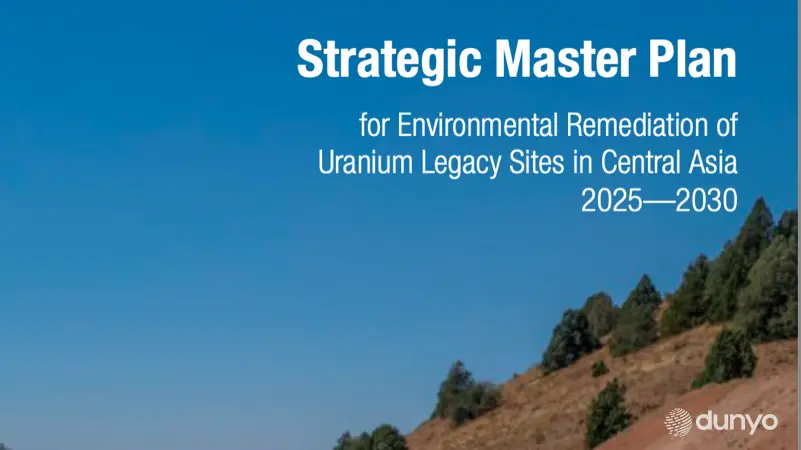
VIENNA, January 12. /Dunyo IA/. The International Atomic Energy Agency (IAEA) has released an updated Strategic Master Plan through 2030, outlining the future of uranium-contaminated sites in Central Asia, reports Dunyo IA correspondent.
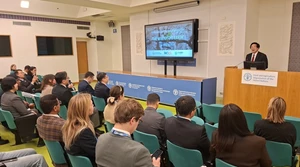
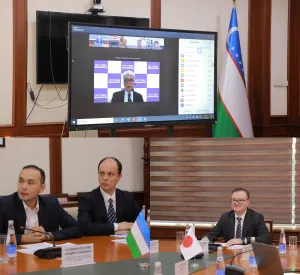
The document, first presented at a Coordination Group (CGULS) meeting in Tashkent, marks the transition to the final stage of land remediation in the Yangiabad and Charkesar areas.
The project, launched in a broad international framework in 2015, aims to eliminate the consequences of uranium mining from the mid-20th century. The new 2025–2030 strategy goes beyond simple waste isolation, incorporating high-tech solutions, from satellite monitoring to the creation of digital models of the sites, ensuring their perpetual safety.
“This is not just about the environment, but also about people”, - the IAEA report notes. - Our goal is to return these lands to productive use and eliminate the risk of radioactive contamination of transboundary rivers in the Fergana Valley”.
Thanks to close cooperation between the Government of Uzbekistan, the IAEA, and the European Union, the sites in Yangiabad and Charkesar are set to become an international model of successful post-industrial land reclamation. Implementing the plan through 2030 will ultimately transform the “uranium legacy” into a safe public resource, opening new opportunities for tourism and agriculture in the region.
The program is supported by the Coordination Group on Uranium Legacy Sites (CGULS) and funded through international donor funds.

See all