Initiative of the President of Uzbekistan to establish an International Competence Center for the Rehabilitation and Reintegration of Returnees presented during the UN Counter-Terrorism Week
July 03, 2026. 16:30 • 4 min
• 107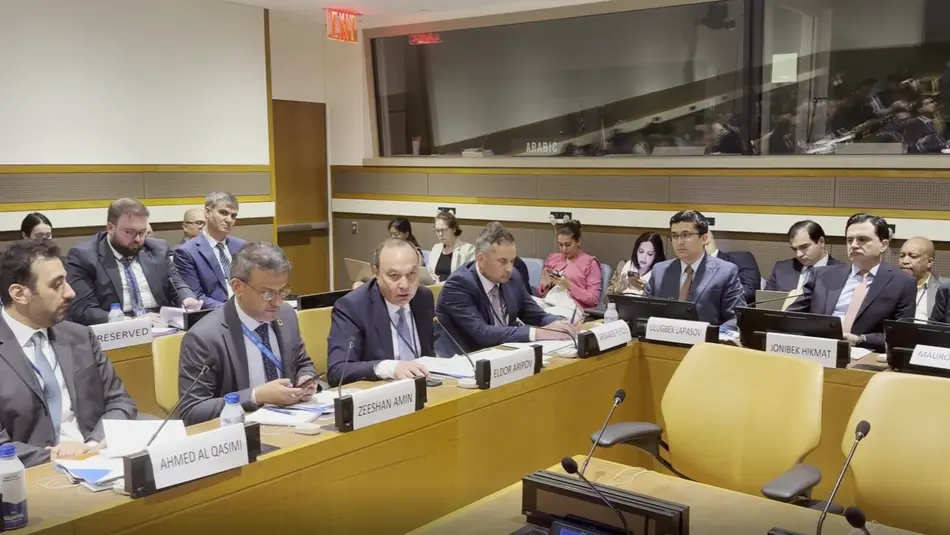
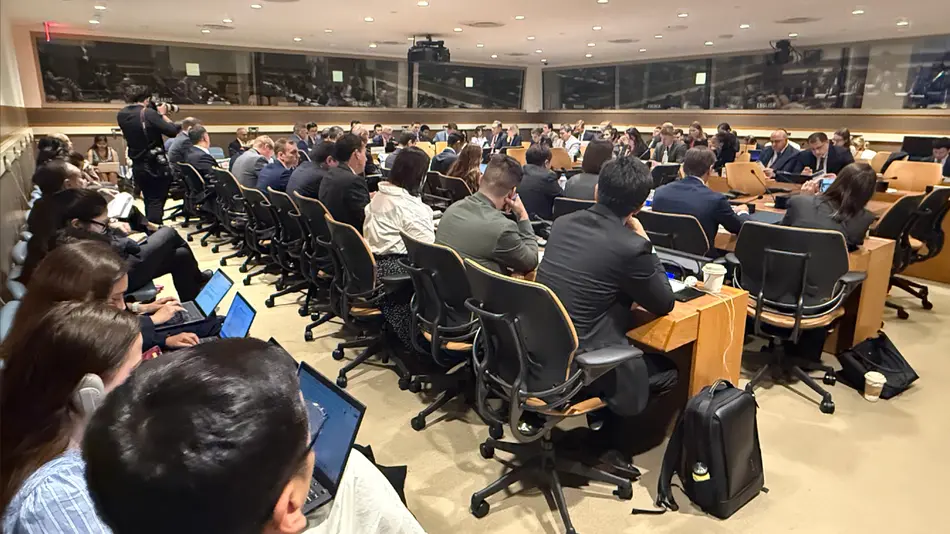
NEW YORK, July 3. /Dunyo IA/. On July 1, a side event dedicated to Central Asia's experience in the repatriation, rehabilitation, and reintegration of persons returning from conflict zones was held at UN Headquarters as part of Counter-Terrorism Week, reports Dunyo IA correspondent.
According to the Institute for Strategic and Regional Studies under the President of Uzbekistan, the event was organized with the support of the United Nations Office of Counter-Terrorism (UNOCT) and the United Nations Regional Centre for Preventive Diplomacy for Central Asia (UNRCCA). Speakers included Alexander Zuev, Acting Head of the UN Office of Counter-Terrorism, Mauro Miedico, Director of the United Nations Counter-Terrorism Centre (UNCCT), Ahmed Al Qasimi, Executive Director of the Hedayah Center, Khalid Koser, Executive Director of the Global Community Engagement and Resilience Fund (GCERF), as well as the Heads of Diplomatic Missions of the Central Asian countries.
The event attracted considerable interest from UN Member States. Overall, the forum brought together representatives of more than 50 countries across Asia, Africa, Europe, North and Latin America, as well as around ten international organizations.
In his opening remarks, Alexander Zuev, Acting Head of UNOCT, underscored that through the work of the Council, the Central Asian countries are not only strengthening their own national efforts but are also contributing to the development of operational models that can assist other countries in addressing the challenges associated with returning nationals. In his view, this cooperation reflects resilience and a strong commitment to multilateral cooperation.
Other participants likewise stressed that the Council represents not only an important precedent for regional cooperation but also demonstrates a clear understanding of the need for a comprehensive approach to preventing extremism.
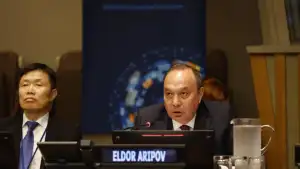
During the event, Eldor Aripov, Director of the ISRS, presented the initiative of the President of Uzbekistan to establish an International Competence Center for the Rehabilitation and Reintegration of Returnees.
He emphasized that this entity, drawing on the successful experience of Central Asia, could become a global knowledge platform for developing flexible rehabilitation strategies. The Center is expected to focus on the training and advanced training of specialized professionals, the creation of educational and professional pathways for returnees, and measures for the prevention and preemption of extremism.
According to Eldor Aripov, the Centre is envisaged as a results-oriented institution with a clearly defined practical focus and measurable performance indicators. Its core functions will include vocational training for returnees, the development of methodological guidance for Member States, and the annual publication of analytical reports for the international community.
“Through the Centre, international best practices will be translated into universally applicable methodologies and shared with UN Member States that are only beginning to embark on this path”, - he noted.
According to the ISRS Director, membership in the International Competence Centre will be open to all countries, non-governmental organizations, as well as independent experts and researchers. Its Secretariat will work in close cooperation with the UN Global Programme on Prosecution, Rehabilitation and Reintegration (PRR).
It was emphasized that the establishment of the Centre represents Central Asia's collective contribution to the global security architecture by providing a platform for coordinating interstate efforts and strengthening capacities in the rehabilitation and peaceful reintegration of individuals returned from areas affected by terrorist activity.
At the conclusion of the meeting, participants reaffirmed the need to further consolidate international efforts and actively support the initiatives of the Central Asian countries, which today are de facto setting international standards in the highly complex and sensitive field of repatriating and reintegrating citizens returning from areas affected by conflict.

Latest News

See all
Read also
Over the past decade, volume of Uzbek–Belarusian trade turnover increased more than 13-fold, while trade in services expanded over 30-fold
Eldor Aripov: Uzbekistan is firmly committed to the UN Global Counter-Terrorism Strategy