Marco Rubio: The United States Wants to Be a Strong Partner in Central Asia
October 20, 2026. 16:30 • 3 min
• 80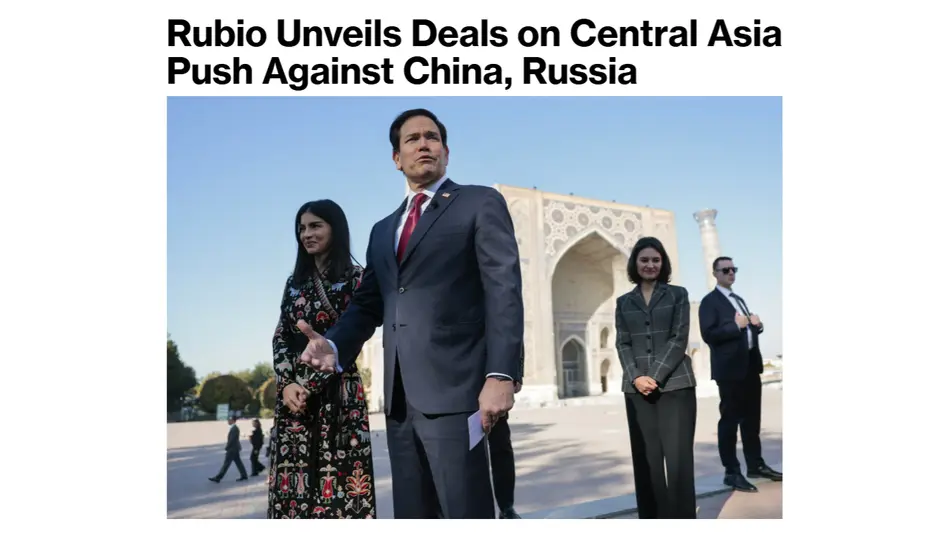
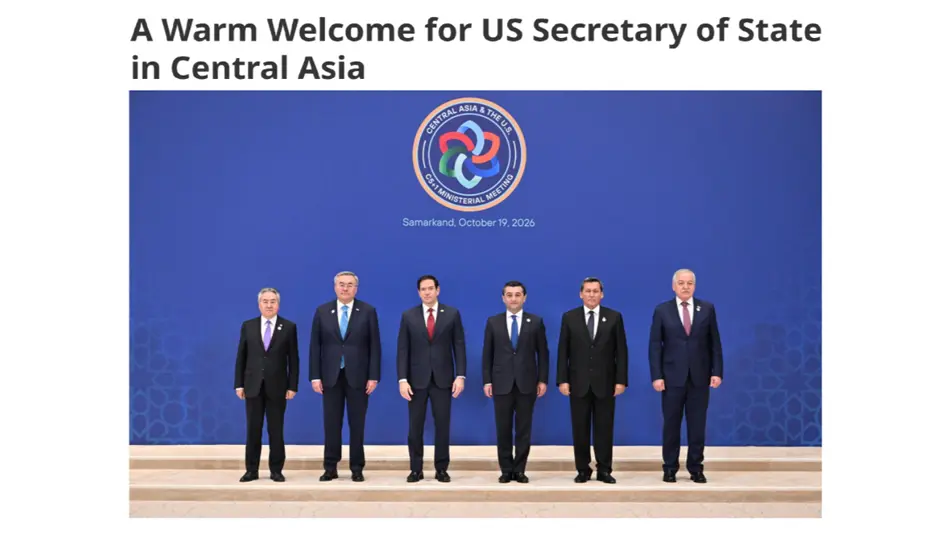
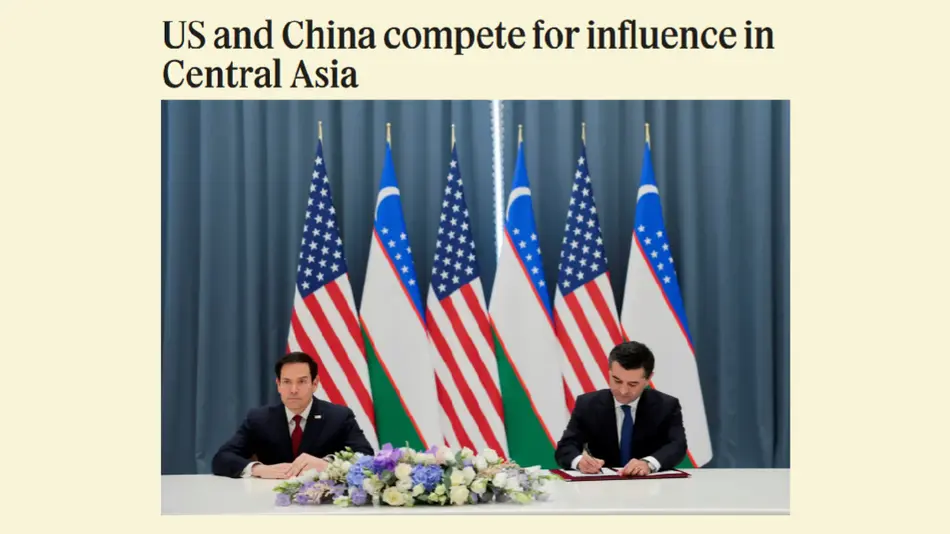
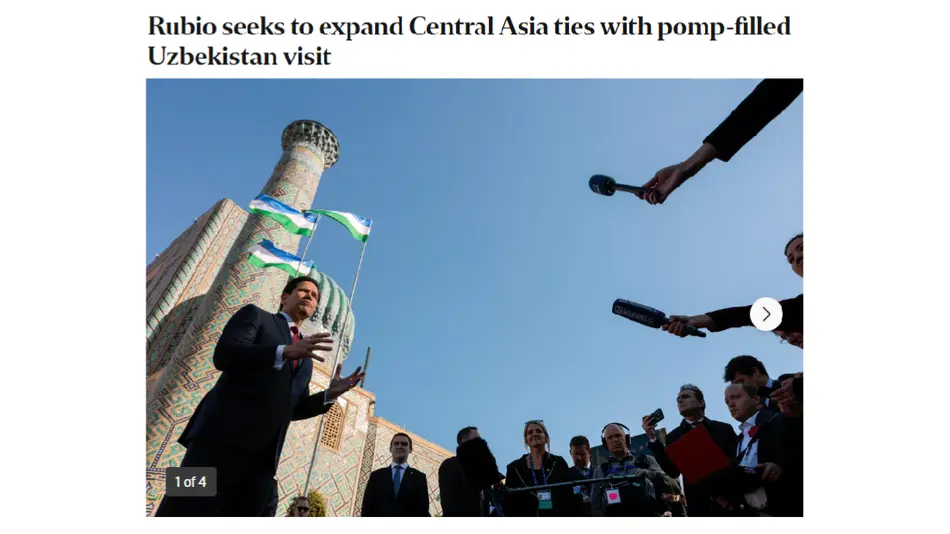
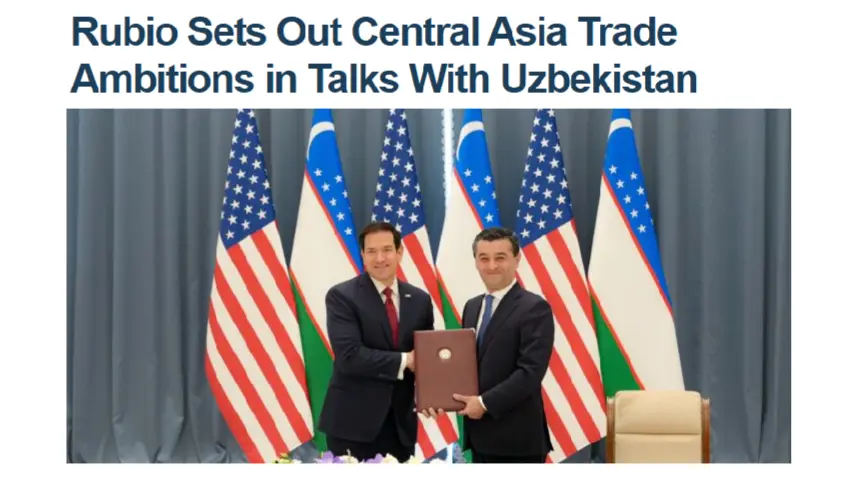
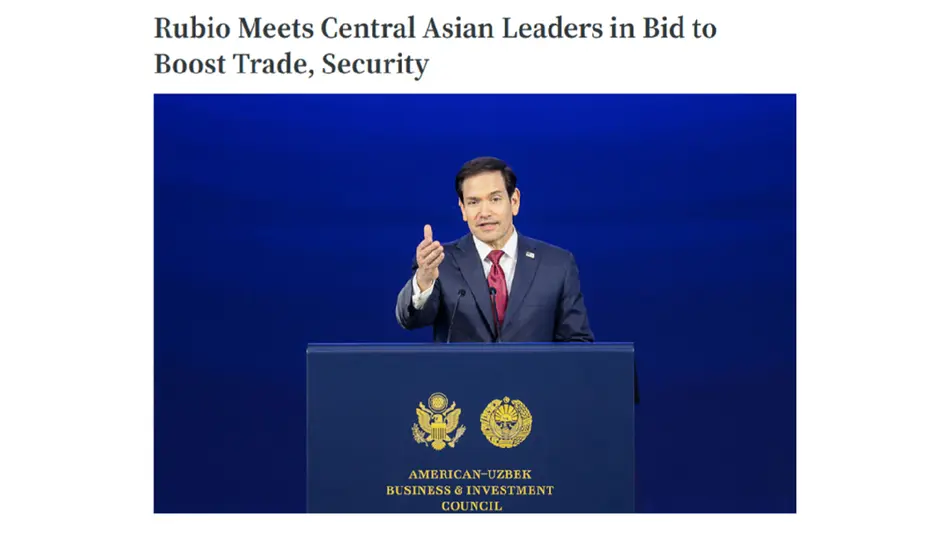
WASHINGTON, October 20. /Dunyo IA/. Foreign media outlets view U.S. Secretary of State Marco Rubio’s visit to Samarkand as an attempt by Washington to expand its economic presence in Central Asia, reports Dunyo IA correspondent.
According to Bloomberg, 54 agreements in trade, investment, and technology were announced during the visit, with a potential value of up to $12 billion once implemented. The initiatives include cooperation between GE Aerospace and Uzbekistan Airways, expanding Uzbek companies’ access to international capital markets, and projects in the mining sector.
The Diplomat notes that the participation of nearly 300 American companies creates opportunities for new contracts. However, the sustainability of the partnership will depend on the implementation of agreements and the inflow of long-term investment. For the region, not only trade deals matter, but also the establishment of production facilities, job creation, and infrastructure development.
According to Semafor, Washington’s renewed engagement is partly driven by its desire to reduce dependence on Chinese supplies of critical minerals. Uzbekistan’s rich natural resources and Kazakhstan’s uranium industry increase Central Asia’s strategic importance to the United States.
Speaking to journalists ahead of the meeting, the U.S. Secretary of State said, “The United States wants to be a strong partner in Central Asia.” “Central Asia has simply not received the level of attention from our policymakers over the last 20 years that it deserves. But that’s changing. That is why we are here now,” he said.
Meanwhile, The Straits Times and ABC News highlight the Central Asian countries’ determination to maintain relations with Russia, China, and other partners. Marco Rubio’s statement that the U.S. is prepared to compete without demanding that countries abandon cooperation with other states reflects the possibility of expanding the American presence while preserving Central Asia’s multi-vector foreign policy.
“Look, it is competition, right?” Marco Rubio told reporters when asked about economic competition with Russia and China. “This is not about coming here to say stop talking to somebody else or stop working with some other country. That’s not about that. This is about ensuring that in every part of the world that is opening its doors to American business and American commerce that we’re available.”
“Washington views Central Asia, located between Russia, China, and Iran and endowed with significant natural resources, as a region that previous US administrations have paid insufficient attention to,” The Epoch Times notes.
Overall, foreign media coverage links the significance of the visit to a shift from diplomatic contacts toward practical economic cooperation. The main measure of its success will be the implementation of the announced agreements, while water scarcity and climate risks remain among the regional challenges receiving less attention, according to The Diplomatic Watch.

Latest News
See all
Read also

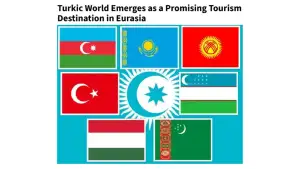
Pakistani Media: Uzbekistan welcomed more than 6.15 million tourists from OTS countries in 2025
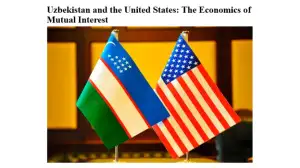
Uzbekistan and the United States embark on a new stage of strategic and economic partnership