President of Uzbekistan reviewed measures to develop the network of micro and small hydropower plants
August 19, 2026. 17:35 • 4 min
• 102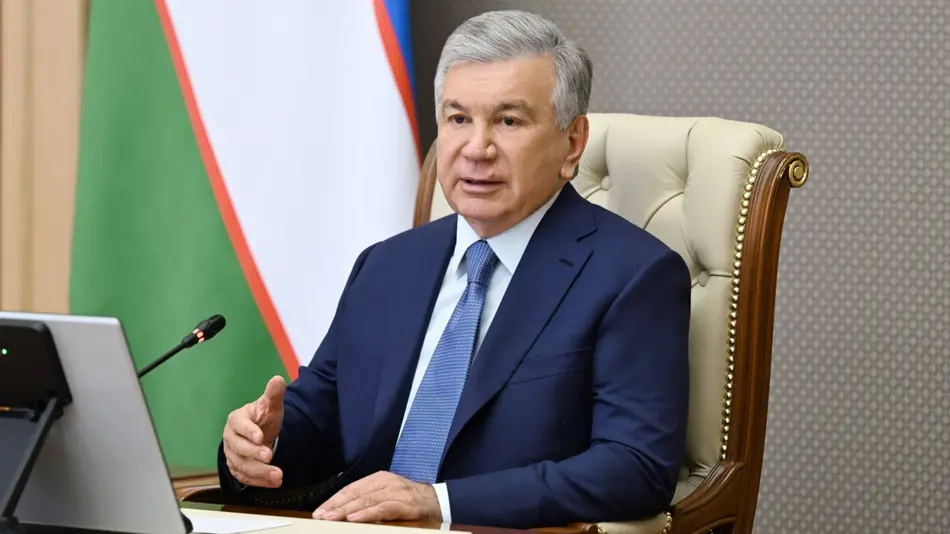
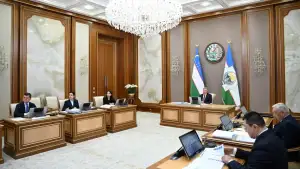
ТАSHKENT, August 19. /Dunyo IA/. Today, President Shavkat Mirziyoyev was briefed on further measures to develop the network of micro and small hydropower plants, reports Dunyo IA correspondent.
According to the press service of the Head of our State, Uzbekistan focuses on increasing the share of renewable energy and making efficient use of the energy potential of existing water resources. Micro and small hydropower plants play an important role in supplying electricity to remote areas, reducing grid losses and attracting private investment.
Under a separate resolution adopted last year, around 3,000 micro and small hydropower plants with a total capacity of 164 megawatts are planned to be built with private-sector participation.
To date, 64 projects with a total capacity of 41.6 megawatts have been commissioned. However, this represents only a quarter of the planned capacity. Initiators have been identified for 932 of the approximately 3,000 planned projects. The utilization of $150 million in concessional financing allocated with the participation of the World Bank also remains slow.
It was noted that entrepreneurs and investors have many questions regarding the conditions for constructing the plants and selling the electricity they generate.
In this regard, it was proposed to introduce a minimum threshold tariff for electricity purchases at auctions, alongside the starting project price, and to differentiate tariffs depending on plant capacity. This will address the issue of projects awarded at a “zero” price but subsequently left unrealized, while creating clear and stable conditions for investors.
In addition, simplified procedures will be introduced for the design and construction of micro hydropower plants with a capacity of up to 100 kilowatts. Projects with a capacity of up to 50 kilowatts will be exempt from the examination of urban planning documentation and state architectural and construction supervision.
Changes to the design of canals, rivers, and channels will be permitted to create additional water pressure. Micro and small hydropower plants will also be allowed to be built on water management facilities for their own needs without an auction.
A digital platform covering the entire process, from identifying suitable project locations to commissioning and subsequent operation, is planned to be introduced. In addition, a unified methodological guide on design, construction, and operation, as well as a procedure for implementing projects with private-sector participation, will be developed.
Another pressing issue in the sector is its high dependence on imports. Currently, 90 percent of the hydro units and components required for micro and small hydropower plants are imported.
In this regard, the importance of drawing on the experience of Uzbekgidroenergo JSC, which has built 46 small and micro hydropower plants, was noted, along with the need to provide entrepreneurs with comprehensive services covering design, construction and installation, and equipment supply. A specific list of hydro units and components that can be produced locally will be drawn up. Relevant proposals will be presented to entrepreneurs and investors.
The total length of the river and canal network in Uzbekistan exceeds 173,000 kilometers. During the presentation, it was noted that there is significant potential for the construction of micro and small hydropower plants on concrete-lined canals. The Head of State instructed the responsible agencies to conduct a full inventory of such facilities and identify opportunities for implementing additional projects.
Overall, by 2030, the capacity of such plants is planned to reach 204.8 megawatts, with annual generation of 620 million kilowatt-hours of environmentally friendly electricity. This will provide green energy to 350,000 households, save 187 million cubic meters of natural gas annually, and prevent 311,000 tons of carbon dioxide emissions.
In addition, starting from the new academic year, a dual education system will be introduced to train highly qualified specialists in the field of low-capacity green energy. Energy enterprises, including small hydropower facilities, will serve as bases for students’ practical training.
President Shavkat Mirziyoyev instructed the responsible officials to accelerate the implementation of the planned projects, widely attract private investment to the sector, make effective use of financial resources, localize equipment, and train qualified personnel.

Latest News


See all
Read also

Head of State inspects new transport infrastructure connecting Urgench and Khiva

President of Uzbekistan reviews Khorezm Advanced Skills Technical College in Urgench and the City of Professions located on its premises